This Fuzzy Cactus Could Be A Fun Fit For Indiana Houseplant Lovers
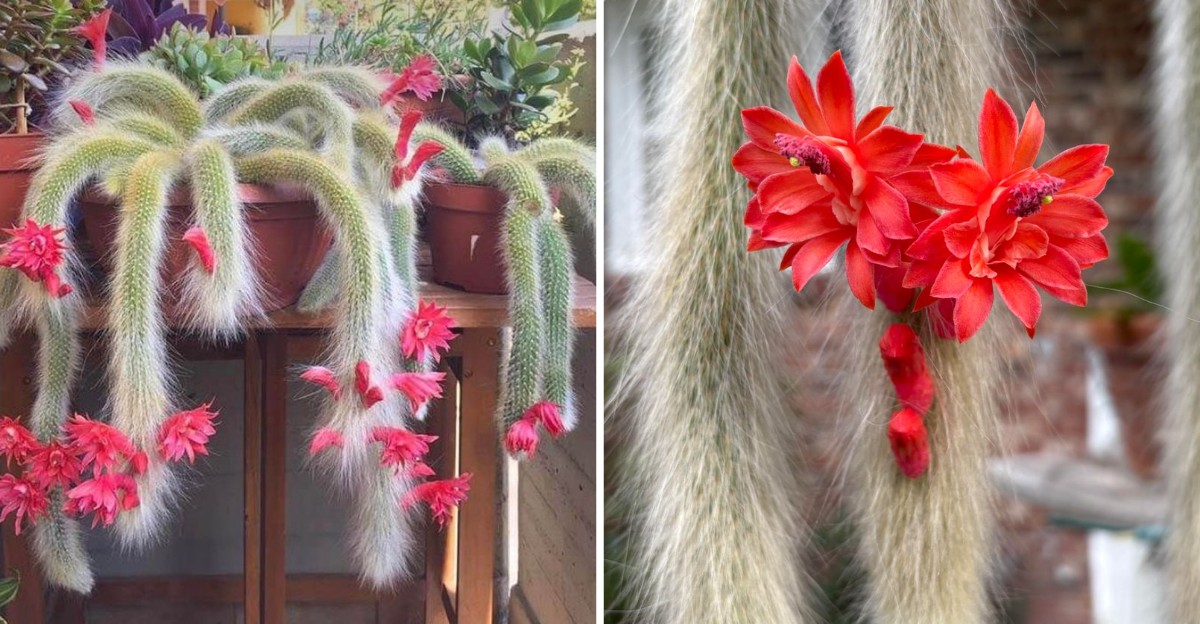
One cactus grows stems that dangle over cliffs and look like fuzzy white tails swinging in the breeze. Those soft white hairs are actually spines, yet they feel surprisingly gentle against your curious fingertips.
In the wild, the trailing stems can stretch several feet long from rocky ledges in Bolivia. Bright red flowers also pop out along the sides and stand out against all that cozy white fluff.
I have not found hard sales numbers, but the appeal for Indiana plant fans seems easy to understand. Personally, I love a plant with this much charm and this little fuss on a sunny windowsill.
You need the right care routine to coax out those blooms, especially during long Indiana winters. So what makes this shaggy little oddball such a fun match for a cozy Hoosier home?
Long Trailing Stems Covered In Soft White Hair Are The Main Draw
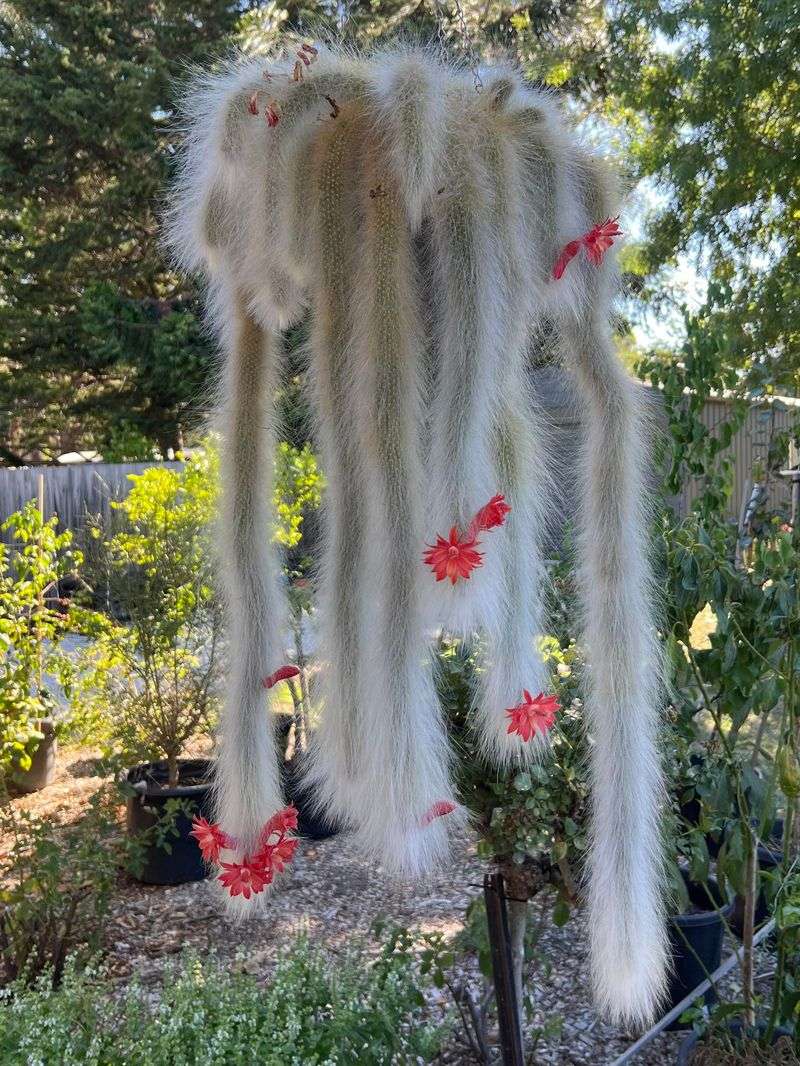
Run your hand gently down a stem, and you will feel something closer to a plush toy than a cactus. The fuzz comes from countless thin, hairlike spines that wrap around each stem from top to bottom.
Each stem usually stays about one inch thick, so it looks slender and rope-like as it grows. Young stems often stand upright at first, then they slowly arch over and start to hang down.
In their native cliffs, the stems can reach several feet long. Indoor plants grow more slowly, but a mature basket can still trail two or three feet over time.
A word of caution feels fair here, because soft does not mean harmless for curious little hands. Tiny spines can still poke through the hair, so gloves help when you repot or move it.
Hanging baskets show off the stems best, especially near a bright south or west window in Indiana. Tall shelves also work well, letting the fuzzy tails spill over the edge like a waterfall.
Over time, older hair can turn a bit golden or tan, which is mostly a normal aging change. Dust can also settle in the fuzz, so a soft paintbrush makes a handy cleaning tool.
I think the shaggy look gives this plant a playful personality that few other cacti can match. Guests often stop to ask a question or reach out for a gentle touch.
Bolivian Cliffs Are The Home Of The Monkey Tail Cactus
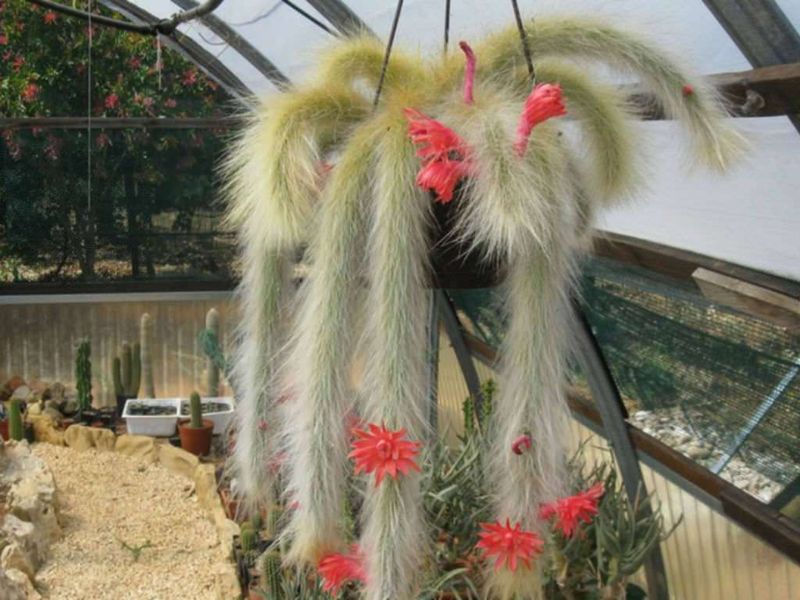
Far from any Indiana farm field, this cactus began life clinging to steep rock walls in Bolivia. Its common name, monkey tail cactus, comes from those long fuzzy stems that dangle down the cliffs.
Botanists often list it as Cleistocactus winteri subspecies colademono, though older labels may say Hildewintera colademononis. The species name loosely means monkey tail in Spanish, which makes the funny nickname easy to remember.
Fun fact for plant nerds, this cactus has a surprisingly small wild range compared with many popular houseplants. It is mostly limited to rocky slopes in the Santa Cruz region of Bolivia.
Hanging from cliffs helps the plant shed water quickly, since moisture drains away from the rocky cracks. That habit explains a lot about its needs, because soggy roots are a major problem indoors in winter.
Your Indiana Garden Changes Every Week. Your Plan Should Too.
Gardening in Indiana changes quickly throughout the season. Every Friday you’ll receive a simple weekly plan showing exactly what to plant, prune, fertilize, harvest, and protect so you never miss the right timing.
The region also has a clear dry season, which shapes how the plant rests and blooms each year. Copying that rhythm at home is one of the best tricks for keeping it happy and flowering.
Most plants sold today come from nurseries, not the wild, which is a relief for cliff populations. Buying from a trusted seller helps protect wild cactus habitats and gives you a healthier starter plant.
Personally, I love knowing my fuzzy basket has roots in such a dramatic mountain landscape far away. Sharing that story with friends in Indiana makes the plant feel like a little living travel souvenir.
Indiana Winters Call For Indoor Growing
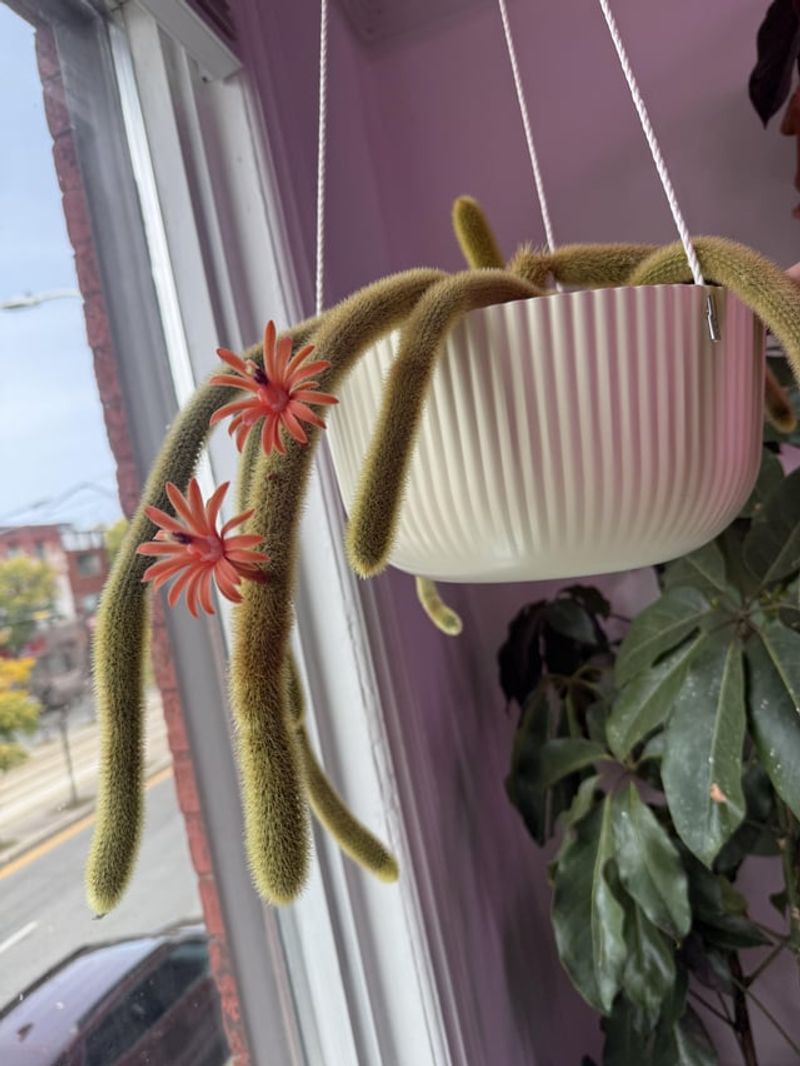
Fall nights in Indiana already dip into chilly territory, and this cactus would not survive our frosty months outdoors. The monkey tail is rated for USDA zones nine through eleven, while Indiana falls mostly in zones five through seven.
That gap means October is the time to bring any patio baskets inside before the first hard frost. Many growers move plants indoors once nights start falling below about fifty degrees Fahrenheit on a regular basis.
Check the stems for hitchhiking pests like mealybugs before the plant joins your other houseplants on the shelf. Those fuzzy hairs can hide small white bugs, so look closely with a flashlight and some patience.
Indoor life actually suits this plant nicely, because our heated homes stay warm and fairly dry. Low humidity bothers ferns and tropical plants, yet cacti often handle it without much fuss at all.
Keep the basket away from heating vents, which can blast hot air and dry the stems unevenly. Drafty doors cause trouble too, especially when icy wind sneaks in during a January cold snap.
A sunroom, enclosed porch, or bright spare bedroom can make a wonderful winter home for it. Those spaces often run a little cooler, which helps the plant settle into its seasonal rest.
I believe this flexibility explains much of its appeal for Indiana gardeners stuck indoors until spring. Strong data on its local popularity is hard to find, but the fit with our climate makes sense.
Give Your Fuzzy Friend Plenty Of Bright Light
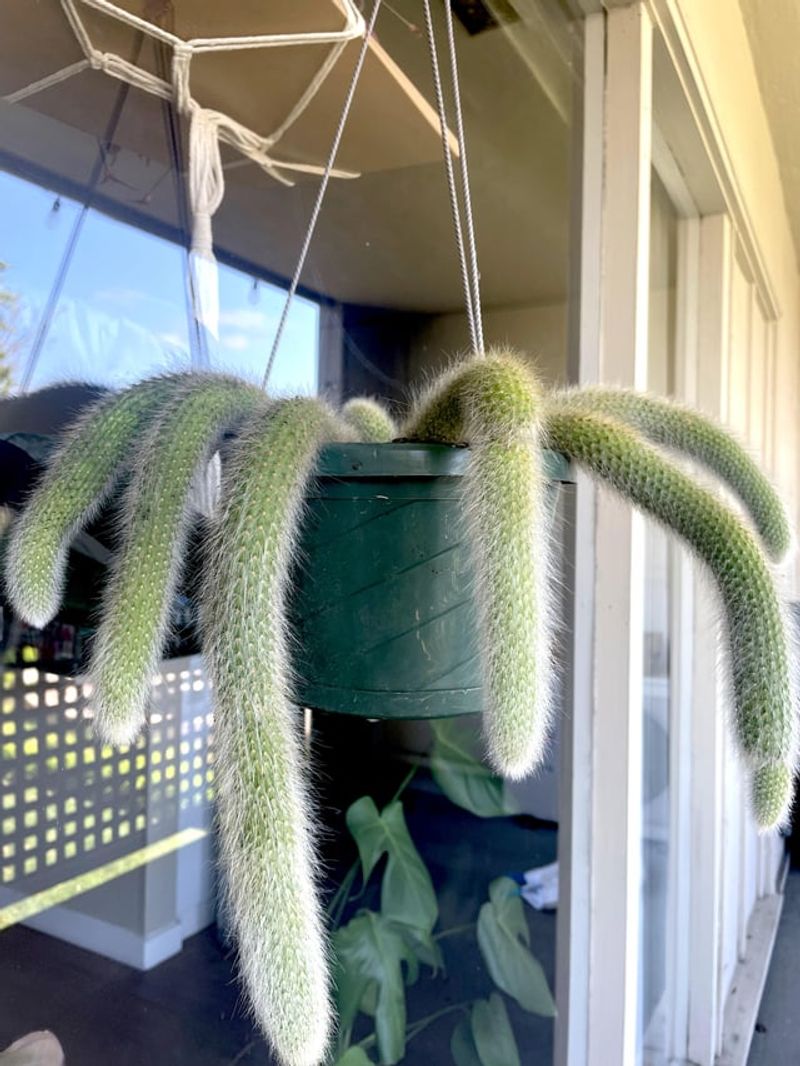
Sunlight is the secret ingredient behind thick, bright white hair and sturdy stems on a healthy monkey tail. Without enough light, new growth turns thin and pale, a problem called etiolation by plant experts.
A south-facing window is usually the best choice, since it gets the most hours of direct sun. West windows work well too, offering strong afternoon light that most cacti seem to soak up happily.
October days get shorter fast, so a sunny spot that worked well in August may feel dim now. Moving the basket closer to the glass can make a real and visible difference as the season changes.
Grow lights help a lot during long cloudy Midwest winters, when gray skies can linger for days. A simple full-spectrum LED bulb placed about a foot above the plant can fill the gap.
Turn the pot a quarter turn every week or two to keep growth even on all sides. Stems that lean hard toward the window are basically asking you for more light in their own quiet way.
Too much sudden sun can scorch stems, especially after a plant has spent weeks in a shady spot. Look for yellow or brown patches, then shift the plant gradually toward brighter light over several days.
Honestly, watching those fuzzy stems glow in the late afternoon sun is one of my favorite fall moments. The white hairs catch the light like frost, and the whole basket seems to shimmer softly.
Sandy Soil And Sparing Water Keep The Roots Healthy
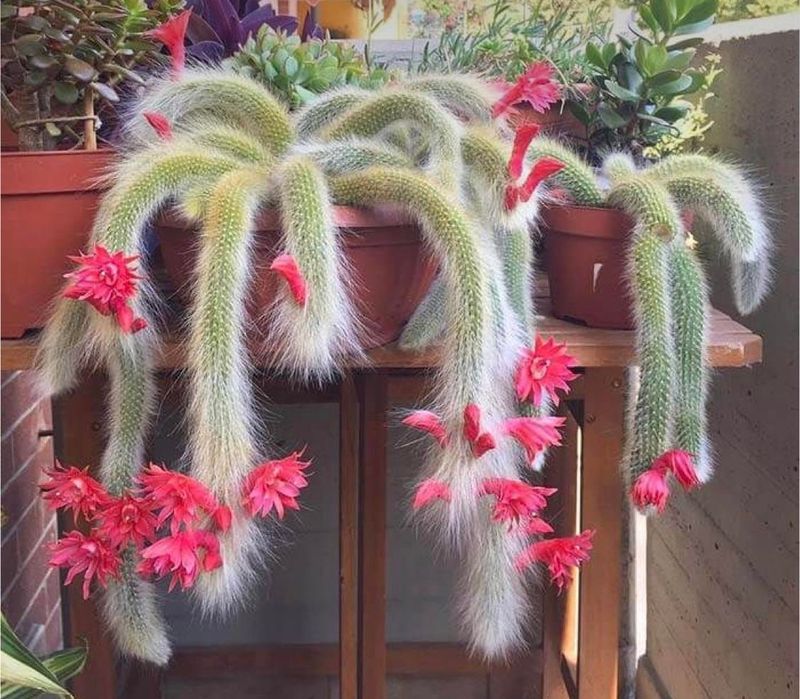
Overwatering is a common way people lose cacti, and this fuzzy one is no exception. Soggy soil leads to root rot, which can turn the base of a stem soft and mushy.
Start with a gritty cactus mix, then add extra perlite or coarse sand for even faster drainage. A blend with roughly half grit mimics those rocky Bolivian cliff cracks where the plant grows naturally.
Pick a pot or hanging basket with drainage holes, because trapped water sits right around the roots. Terra cotta pots breathe well and dry out faster than plastic, which gives you a little extra wiggle room.
During the growing months, water deeply and let the soil dry out fully before watering again. Now that October has arrived, you can start stretching the time between drinks a bit longer.
Poke a finger about two inches into the soil to test it before reaching for the watering can. A wooden chopstick works too, coming out clean when the mix is dry enough for another drink.
Pour water slowly at the soil line instead of over the stems, which can trap moisture in the fuzz. Empty any saucer under the pot after about fifteen minutes so roots do not sit in a puddle.
Feeding is simple, with a diluted cactus fertilizer once a month during active growth being plenty. Skip fertilizer this fall and winter, since the plant is slowing down and does not need extra food.
A Cool Dry Winter Rest Helps Red Blooms Appear
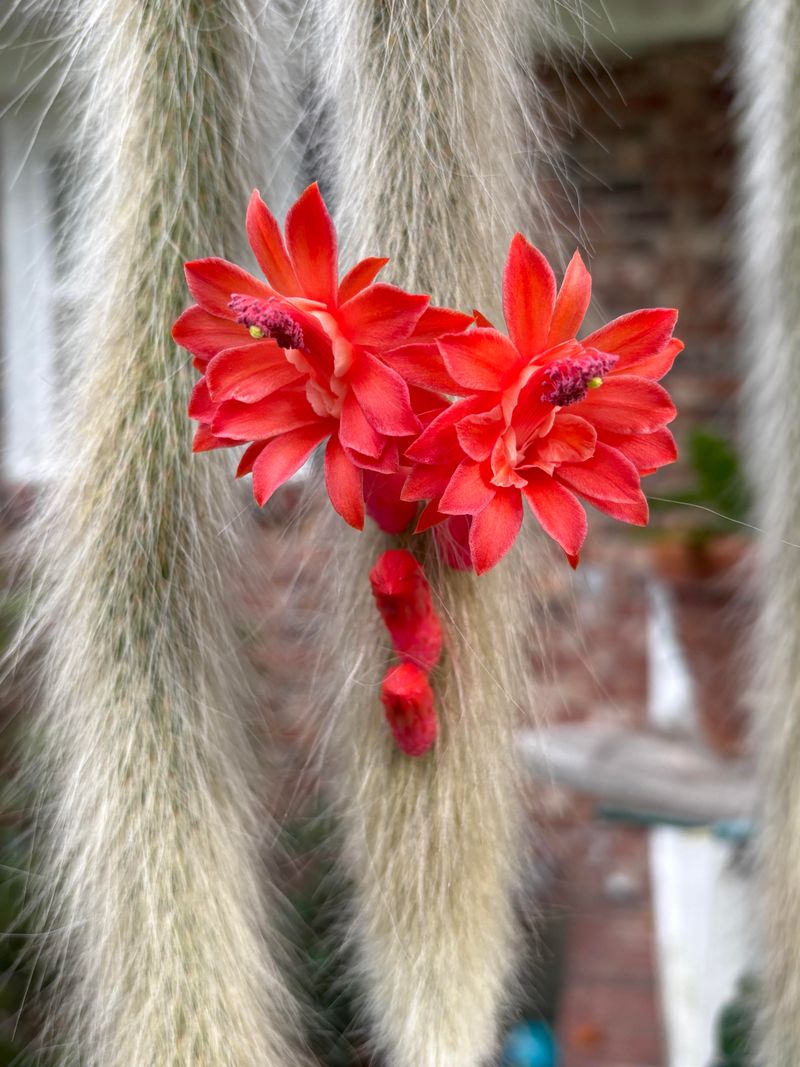
Some of the prettiest flowers on this cactus appear more reliably after a chilly break that many beginners skip by accident. The blooms are slender, tube-shaped, and a vivid red or reddish orange that hummingbirds love in the wild.
From late fall through winter, aim to keep the plant somewhere around forty-five to fifty-five degrees Fahrenheit. A cool basement window, unheated sunroom, or chilly back bedroom can often provide just the right conditions.
Water very lightly during this rest, maybe once a month or even less often in cooler rooms. Shriveling a little is normal, and the stems usually plump right back up once spring watering resumes.
Bright light still matters during the rest, so keep the basket near a sunny window if possible. Cool temperatures paired with dim, shady corners can leave the plant weak and less likely to bloom.
Avoid letting it sit below about forty degrees, since cold damage can scar the stems for good. A cheap little thermometer near the plant takes the guesswork out of finding a safe, cool spot.
Once days lengthen and temperatures warm, you can slowly return to regular watering and monthly feeding. Flower buds often appear along the sides of mature stems, popping out from the fuzz like tiny surprises.
Patience pays off here, because young plants may need a few years before they flower reliably. I can’t imagine a better reward for an Indiana winter than red blooms bursting from a furry tail.