10 Salt-Tolerant Plants That Bounce Back After Florida Storm Surge
Salt water can sit in a yard for hours after a storm, and some plants simply shrug it off. I find that fact thrilling, especially after watching so many Florida gardens turn brown overnight each fall.
The ocean pushes inland with surprising force, and tender shrubs often brown out within a few short weeks. Yet a small group of coastal toughies sprouts fresh green leaves while the rest of the yard sulks.
Many of these champions grew up on beaches, so salt spray feels more like breakfast than a threat. I believe early October in Florida is a sweet spot for planting them, with cooler air and gentler rain.
A couple of picks even feed butterflies, while another wears the title of an official state symbol. You might be surprised which humble shrub on the list can outlive every person on your street.
1. Sea Oats
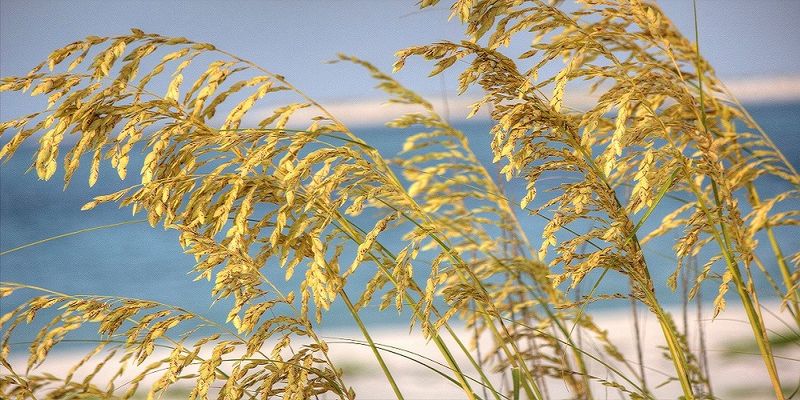
Those golden seed heads waving on the dunes are doing far more than posing for your vacation photos. Every stalk sits above a tangled root network that grips loose sand like a thousand tiny fists.
Sea oats, known to scientists as Uniola paniculata, rank among the most important dune builders along the coast. As wind tosses sand against the leaves, the plant gets buried and responds by simply growing taller.
That clever habit slowly raises the dune, giving homes behind it an extra cushion against rising water. Short bursts of saltwater flooding rarely bother established clumps, which often send up fresh shoots after storms pass.
I love that stubborn streak because a flattened patch can look green again within a single season. Before you get excited, remember that picking or cutting wild sea oats is against state law in Florida.
Nurseries grow legal plants from cultivated stock, and you can buy plugs for your own sandy yard. Early fall works well for planting, since cooler temperatures help young roots settle before winter winds arrive.
Space plugs roughly eighteen inches apart and water them gently during the first few weeks of growth. Once roots spread, these grasses handle drought and salt spray with very little extra help from you.
Wildlife appreciates them too, since beach mice and many birds snack on the ripe seeds each autumn. Your little dune garden could become a busy diner for creatures that rarely get noticed by beachgoers.
2. Seaside Goldenrod
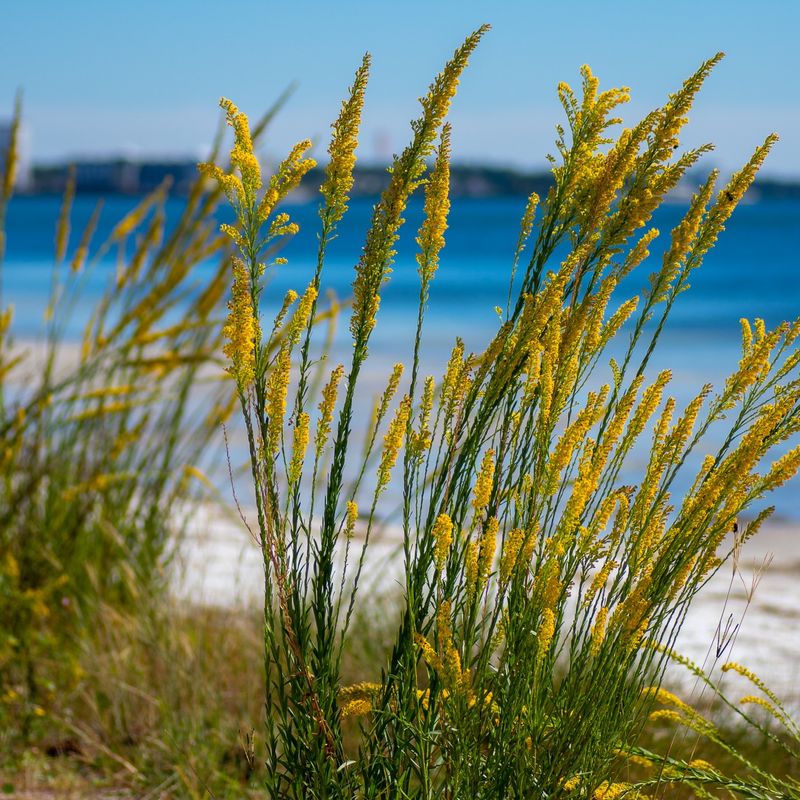
Monarch butterflies heading south in autumn need fuel stops, and this golden coastal bloomer runs one of the best. October is prime time for those flowers, so your timing for this plant could hardly be better.
Seaside goldenrod, or Solidago sempervirens, grows naturally on dunes and along the edges of salty tidal marshes. Its thick, waxy leaves help it hold moisture when salt spray and drying winds blow in from the water.
Established plants can handle brief saltwater flooding, which makes them handy for low spots near the shore. After a surge, the leafy base often pushes out new growth while fussier perennials stay brown and sulky.
Your Florida Garden Changes Every Week. Your Plan Should Too.
Gardening in Florida changes quickly throughout the season. Every Friday you’ll receive a simple weekly plan showing exactly what to plant, prune, fertilize, harvest, and protect so you never miss the right timing.
I should clear up one common worry, since goldenrod often gets blamed for seasonal fall allergies. Its pollen is heavy and sticky, so it travels on insects rather than floating through the air.
Ragweed usually causes the sneezing, and it happens to bloom at the same time of year. Your poor goldenrod has simply been taking the blame for a weedy neighbor it barely resembles at all.
Plants usually reach a few feet tall, with wand-like flower spikes rising above the narrow leaves. Give them full sun and sandy soil, and skip heavy fertilizer, which often makes stems floppy.
Bees and butterflies crowd the blossoms on warm afternoons, turning the whole plant into a buzzing yellow lantern. I can’t imagine a cheerier way to welcome cooler weather after a rough storm season along the coast.
3. Railroad Vine
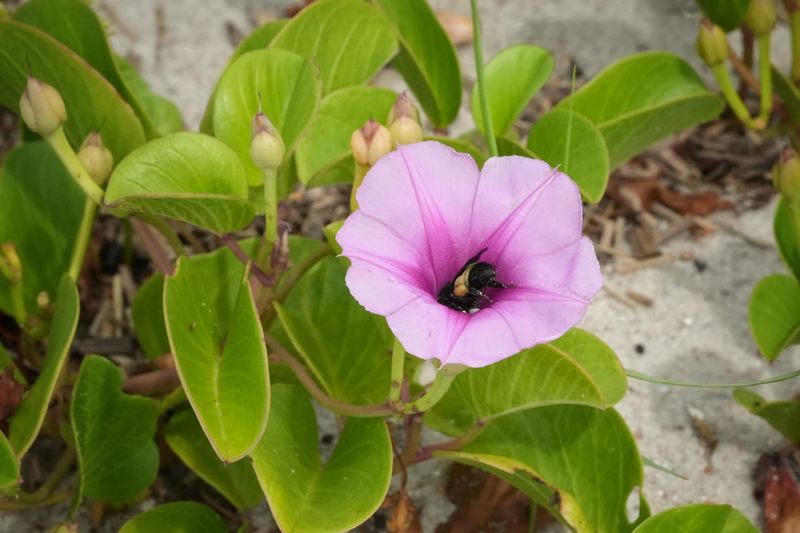
Hurricanes can scrape a beach bare, yet railroad vine is often among the first plants creeping back across the sand. Scientists call it a pioneer species, which basically means it shows up first and gets things started.
Its runners can stretch dozens of feet, rooting at the joints as they snake toward the water. Those long green ropes earned the plant its nickname, since they look a bit like railroad tracks.
Another common name is goat’s foot morning glory, because each leathery leaf is notched like a little hoof. The scientific name, Ipomoea pes-caprae, carries the same idea, since pes-caprae means goat’s foot in Latin.
Pink to purple trumpet flowers open in the morning and usually fold shut by the afternoon. I think of them as early risers, so coffee on the porch becomes the best viewing hour.
Salt spray and baking sand barely slow this vine down, and established plants often handle brief saltwater flooding. Its deep roots anchor the dune surface, helping reduce erosion when wind and waves start pulling sand away.
You definitely need room for this one, because it loves to wander across walkways and lawn edges. Plant it on open sandy slopes rather than in tidy flower beds where it can smother smaller neighbors.
Bees and butterflies visit the blossoms often, so even a messy beachfront patch becomes a lively pollinator stop. October sunshine still warms coastal sand nicely, which gives fresh cuttings a solid chance to root before winter.
4. Dune Sunflower
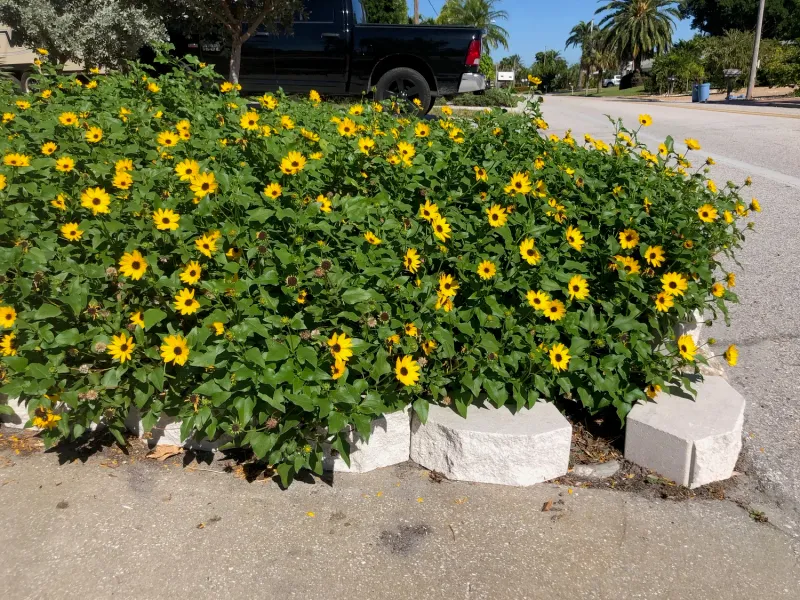
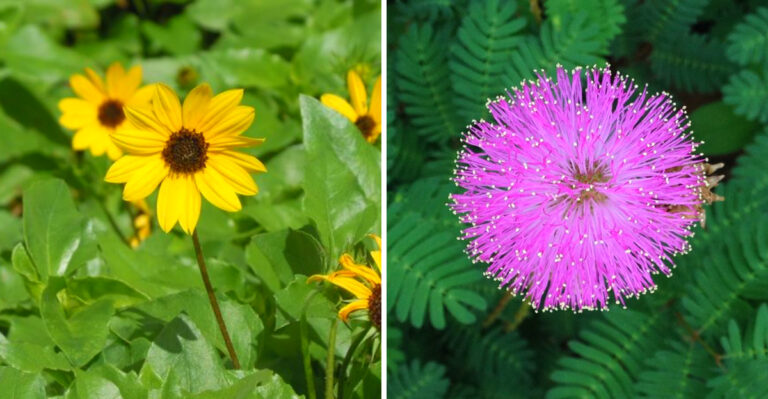
Mini sunflowers that bloom nearly all year sound too good to be true, yet dune sunflower pulls it off. Its bright yellow faces with dark centers look like someone scattered tiny suns across the sand.
Known as Helianthus debilis, this native spreads low and wide instead of shooting up like its tall cousins. Most plants stay around two feet tall but can sprawl several feet across in a single season.
Salt spray rarely bothers it, and the hairy leaves help it cope with wind and blazing coastal sun. After brief saltwater flooding, battered plants often recover, and scattered seeds usually sprout into a fresh batch.
Each plant tends to be fairly short-lived, often lasting only a few years in most home gardens. That sounds like a drawback, but generous reseeding keeps the patch going with very little effort from you.
I’m sure you’ll love the easy care, because this plant actually prefers poor sandy soil over rich compost. Too much water or fertilizer can make it leggy, so treat it with friendly neglect once established.
When stems grow straggly in fall, trim them back by about a third to encourage bushier growth. Fresh blooms usually follow within weeks, giving bees and butterflies a reliable snack bar before winter.
Birds pick at the seed heads too, so consider leaving a few faded flowers standing for them. Your yard gets a cheerful groundcover, and local wildlife gets a free buffet right through the cooler months.
5. Sea Grape
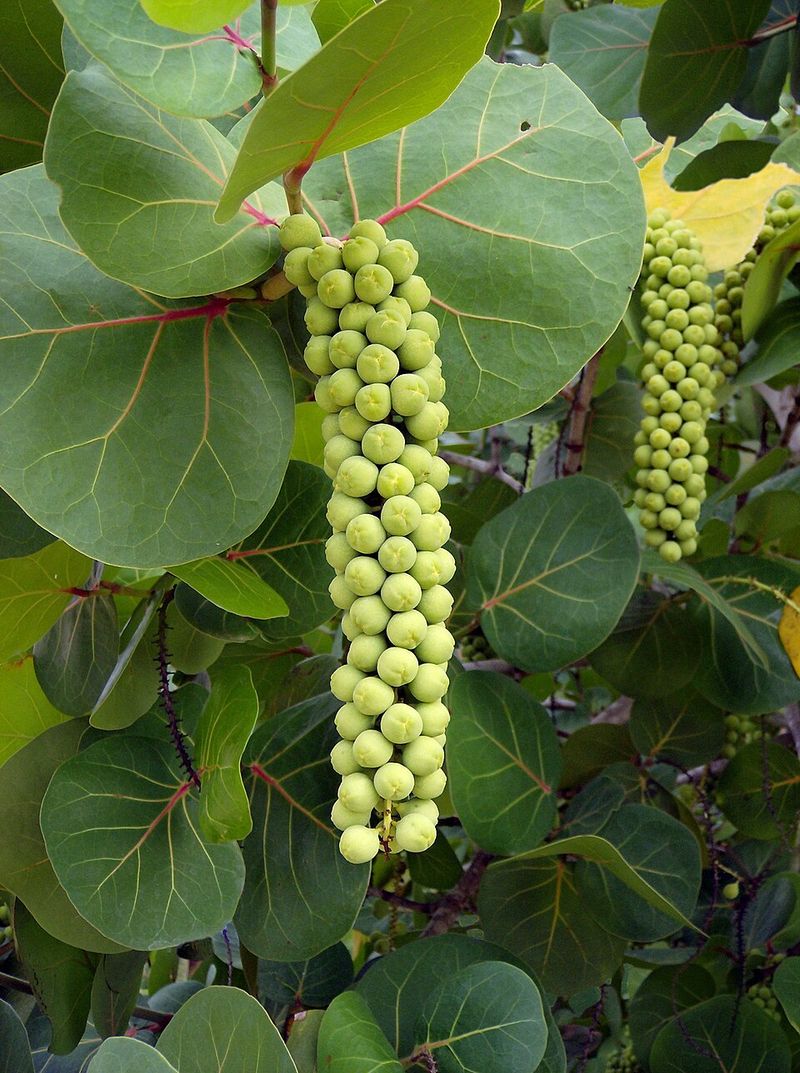
Leaves as big as dinner plates make sea grape one of the easiest coastal plants to recognize from far away. Red veins run through each round leaf, and older leaves often turn red before they drop.
Coccoloba uvifera grows wild along sandy beaches, where it shrugs off salt spray that would scorch most shrubs. Established plants tolerate occasional saltwater flooding and usually leaf out again after hurricane winds strip their branches.
A fun twist hides in the flowers, because individual sea grape plants are either male or female. Only female plants produce the hanging clusters of purple fruit that give the species its name.
Those ripe fruits are edible, and many coastal cooks turn them into jelly late each summer. Birds and raccoons often beat people to the harvest, so you might need quick reflexes to grab some.
Size depends on pruning, since sea grape can stay a hedge or grow into a sizable tree. Check local rules before trimming plants on the beach, because coastal vegetation often has legal protection in this state.
Cold is the main weakness, so this beauty fits best in the warm southern half of Florida. Gardeners farther north can try it in protected spots, though a hard freeze may knock it back.
I believe fall is a smart time to plant, since rainy days are fading and roots settle well. Water young plants regularly through winter, then let their tough nature take over once they’re established.
6. Saw Palmetto
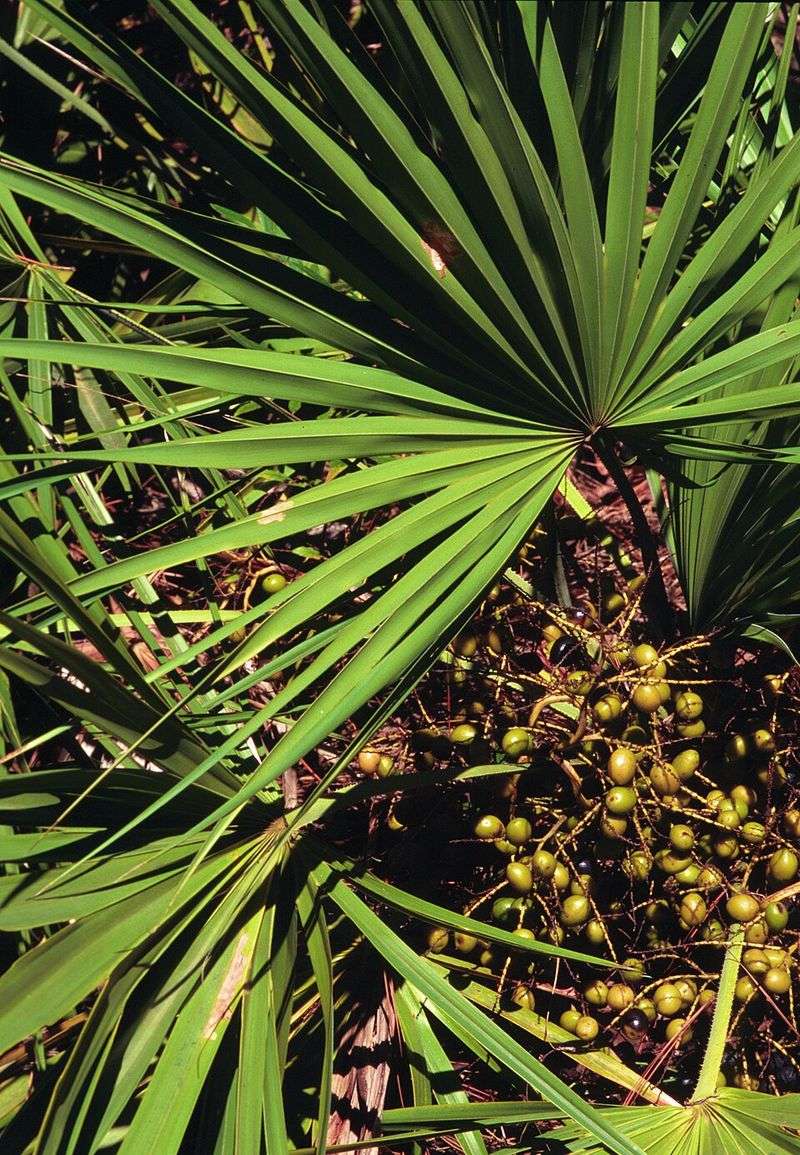
Botanists believe certain wild saw palmetto clumps may be hundreds of years old, which makes them true coastal elders. Their trunks creep along the ground, quietly rooting and branching while generations of people come and go.
Serenoa repens is a shrubby native palm with stiff fan-shaped fronds and saw-toothed stems that explain its name. Wear gloves when handling it, because those tiny teeth along the leaf stems can scratch bare arms quickly.
Most plants grow five to ten feet tall, and coastal forms often show a stunning silvery-blue color. That silver form looks especially striking against white sand, and it handles salt spray like a champ.
Underground stems store energy, so fire-scorched or storm-battered plants often push new fronds from the center fairly soon. Brief saltwater flooding usually causes only temporary browning, and the palm keeps holding sandy soil in place.
Patience matters with this one, because saw palmetto grows very slowly and dislikes being dug up later. Buy container-grown plants instead of transplanting wild clumps, which often struggle after their roots get disturbed.
Bees adore the creamy spring flowers, and beekeepers sell saw palmetto honey with a rich, distinctive flavor. Dark oily berries ripen by fall, and black bears along with many birds eagerly gobble them up.
I wonder how many storms the oldest clumps have weathered, and they still look ready for more. Planting one this October means adding a living piece of coastal history to your own backyard.
7. Buttonwood
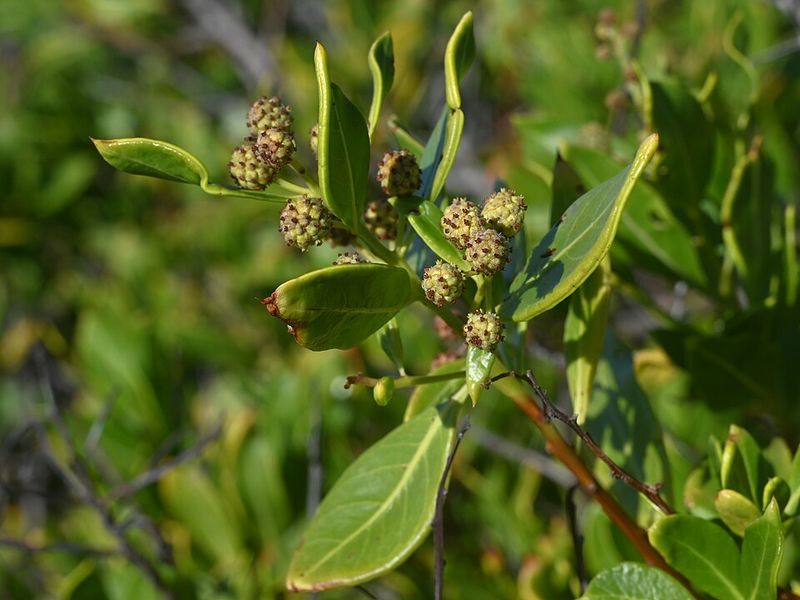
Salt water practically sits at the doorstep of buttonwood in the wild, since it grows right beside mangroves. Experts often call it a mangrove associate, though it lacks the dramatic prop roots of its swampy neighbors.
The name comes from its round, button-like fruit clusters that look like tiny brown pom-poms on the branches. Conocarpus erectus can grow as a sprawling shrub or a gnarled tree, depending on wind and pruning.
Many gardeners fall for the silver buttonwood, a form with soft, velvety leaves that shimmer in sunlight. Next to dark green shrubs, those pale leaves glow like moonlight, even on a cloudy afternoon.
Direct salt spray and occasional saltwater flooding rarely faze established plants, which makes them stars on oceanfront lots. Storm-snapped branches usually sprout fresh growth, so a scraggly buttonwood often fills back in within a few months.
I’m sure your pruning shears will get a workout, because this tree responds well to shaping. People grow it as hedges or small shade trees, and bonsai fans prize its twisted old trunks.
Cold is the one real limit, since buttonwood suits mostly the warm southern parts of the state. Frost can nip tender growth, yet plants in protected spots often recover once warmer weather returns.
Fall planting gives roots a head start before the dry season, so water new plants twice weekly at first. Butterflies and bees visit the small flowers, and the dense canopy offers welcome shelter for resting birds.
8. Cocoplum
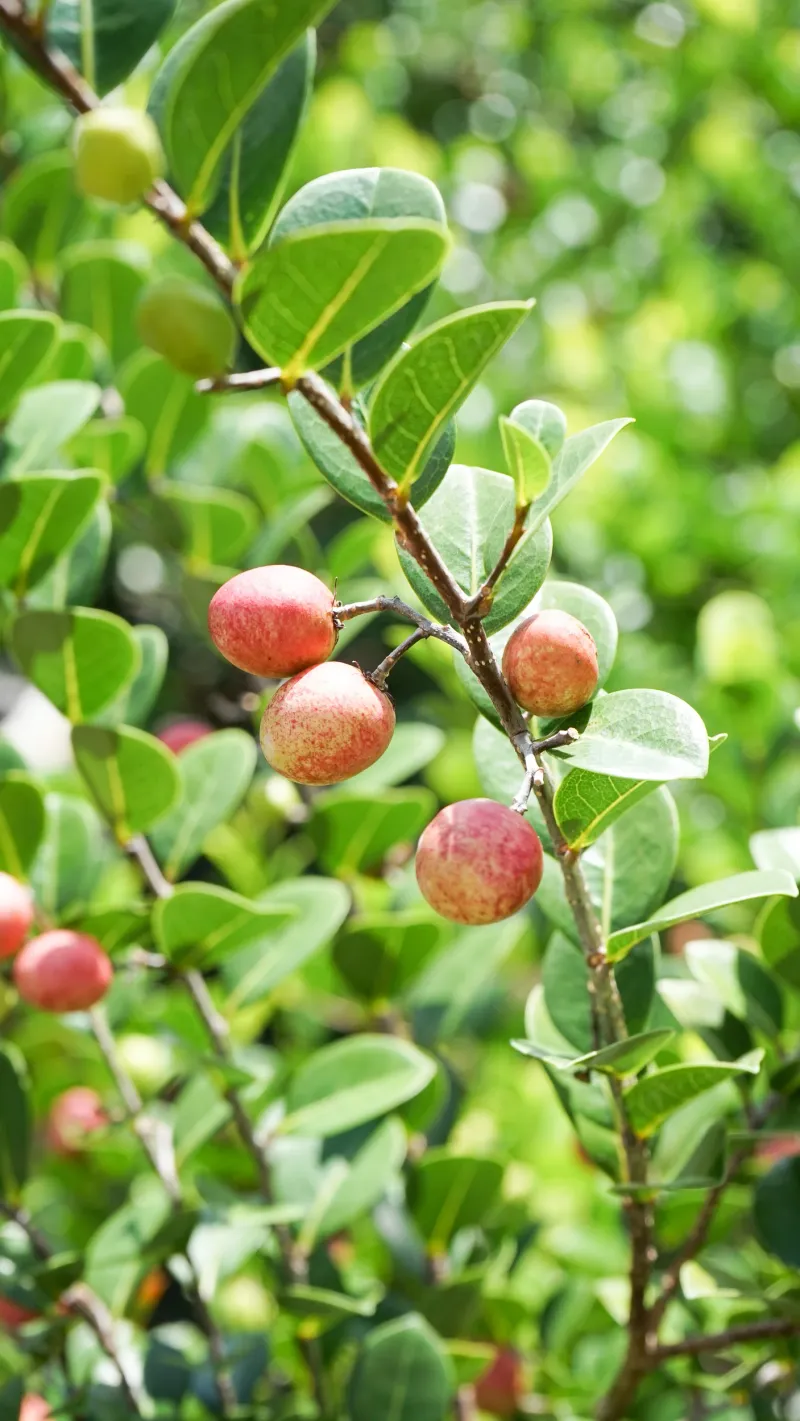
Plums growing on a beach sound like a riddle, but cocoplum has been solving it along tropical shores for ages. Its round fruits ripen to pink or deep purple, and people often eat them fresh or cook them into preserves.
Chrysobalanus icaco comes in different forms, and the choice matters a lot for anyone gardening near salt water. The low, spreading coastal type handles salt spray far better than the popular red tip variety sold everywhere.
I believe this detail trips up lots of beach homeowners, so read plant tags carefully before buying. Look for names like Horizontal cocoplum, which usually stays under six feet tall and spreads wider than high.
Branches of the coastal form root where they touch the sand, knitting together a living mat over dunes. That habit helps reduce erosion, and storm-battered plants often bounce back with glossy new leaves fairly quickly.
Leathery round leaves shine in sunlight, and new growth sometimes emerges with a soft reddish blush. Small white flowers appear off and on through the year, drawing bees and other tiny pollinators close.
Cocoplum is cold sensitive, so it grows best in the warmest southern coastal regions of the state. Plant it in full sun or light shade, and water regularly until the roots spread into native sand.
Birds and small mammals feast on fallen fruit, so a cocoplum hedge doubles as a wildlife snack station. You definitely need a spot where dropped fruit won’t stain your patio, because purple splotches are stubborn.
9. Cabbage Palm
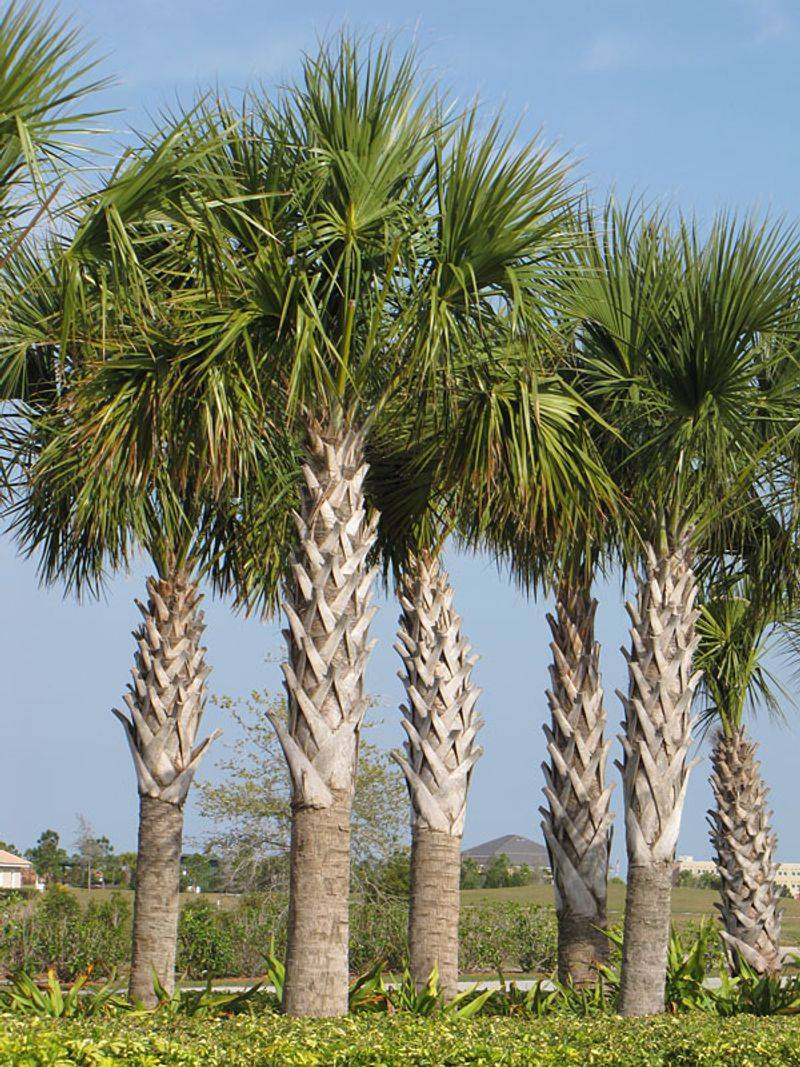
Florida chose the cabbage palm as its official state tree, and storm season shows exactly why it earned that honor. After big hurricanes, rows of these palms often stand tall while larger trees lie toppled across the roads.
Sabal palmetto has a flexible trunk and a dense mass of roots that grips soil without spreading too far. Strong winds can strip the fronds, yet the single growing bud at the top usually survives and regrows.
Salt spray on the leaves barely bothers it, and the palm tolerates brief flooding from salty storm surge. I can’t imagine a coastal yard without at least one, especially where other trees keep struggling with salt.
Transplanting brings a strange surprise, because most cut roots on a dug cabbage palm decline and get replaced. Fresh roots grow from the trunk base, so nurseries often trim off the fronds to reduce water loss.
Old leaf bases called boots cling to younger trunks, creating crisscrossed patterns that ferns sometimes call home. Many trunks shed their boots with age, leaving smooth gray bark that looks like a fresh haircut.
Small black fruits ripen in fall, and robins and raccoons happily gobble them up all season long. Fragrant creamy flowers appear earlier in the year and buzz with bees, so this palm earns its keep.
Avoid hurricane cuts that strip every green frond, since over-pruning weakens the palm and slows its recovery. Remove only brown fronds this fall, and your palm will keep looking proud through the next storm season.
10. Southern Red Cedar
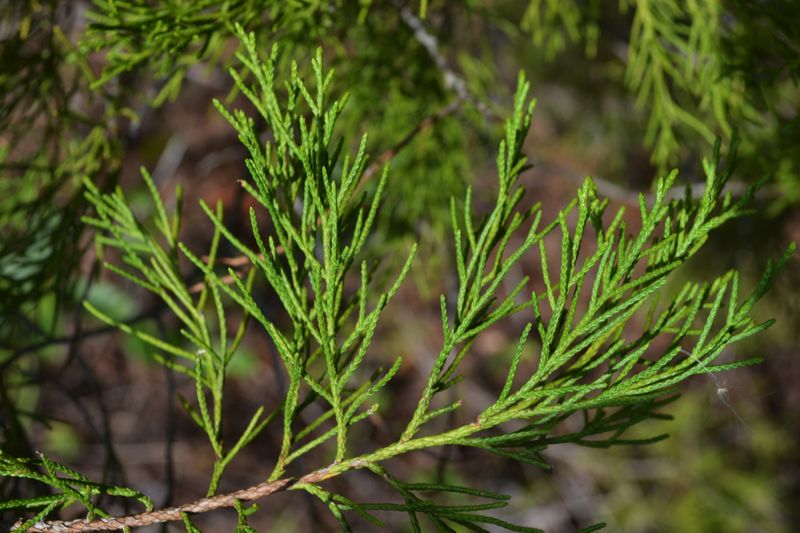
A cedar that smells like a freshly sharpened pencil might seem out of place on a windy beach. Yet southern red cedar thrives near salty air, and its fragrant wood once supplied many pencil factories.
Botanists know it as Juniperus virginiana variety silicicola, a coastal cousin of the eastern red cedar. Despite the common name, it belongs to the juniper group rather than to true cedars at all.
Its scaly evergreen foliage stays dense all year, which makes it a terrific windbreak for exposed coastal yards. Salt spray and sandy soil rarely trouble it, and established trees handle drought with impressive calm.
Storm surge flooding can stress the roots, so plant it on higher ground rather than in soggy low spots. Trees that lose branches in high winds often fill back in, though growth after damage tends to be slow.
Female trees produce small blue berry-like cones that birds devour, especially cedar waxwings passing through in winter. Plant both male and female trees if you want those berries, since a lone male produces only pollen.
Butterfly fans should know about a tiny secret, because the juniper hairstreak caterpillar feeds on its leaves. Adult hairstreaks wear bright green wings, so spotting one feels like finding a hidden emerald in your garden.
Early October is a fine time to plant, since cooler nights help young trees settle without heat stress. I suspect a row of these cedars will give your yard privacy and shelter for many decades ahead.