Here’s What to Do With Bird of Paradise in Florida This Fall Instead of Cutting It Back
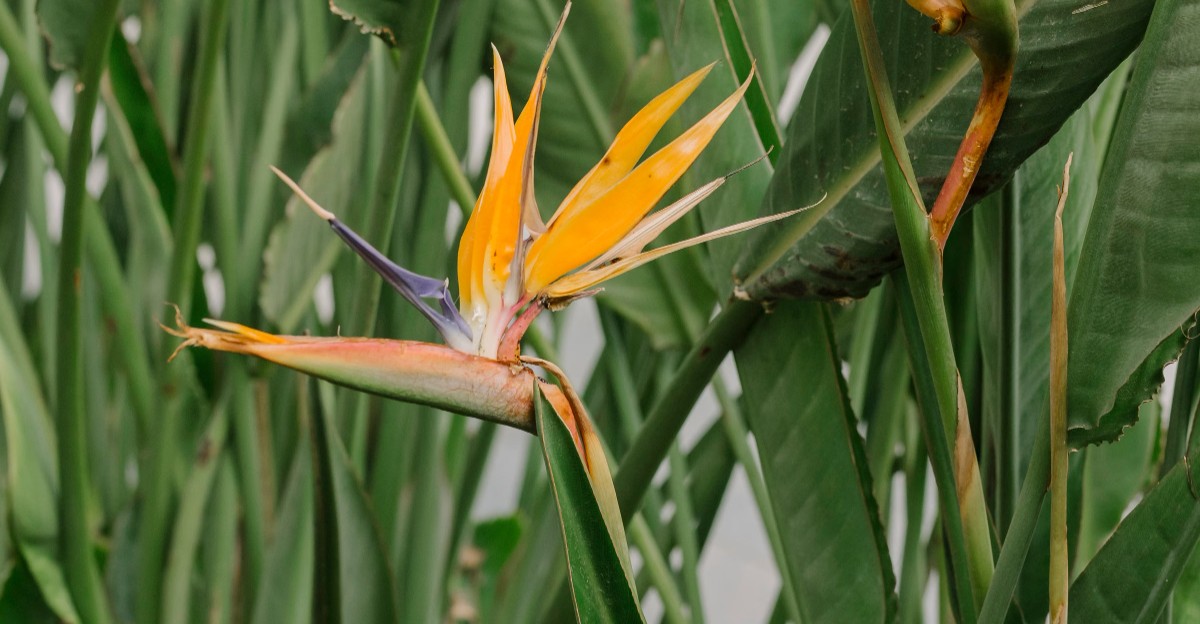
A flower that opens only when a bird sits on it sounds like a fairy tale.
Yet in South Africa, sunbirds land on one famous bloom, and their weight pops open a hidden pocket of pollen. The bird flies off with a dusty belly.
That same plant grows happily in yards all over Florida. I love how it looks like a flock of orange birds frozen mid-flight. Personally, I can’t walk past one without stopping.
Fall brings a funny itch for many of us. The summer heat fades, the garden looks shaggy, and the pruners start calling your name. I believe that urge is natural.
You’re in for a surprise, though, because this plant often gears up for its best show right as the weather cools. A big haircut now could cost you a season of color. What should your hands be doing instead?
Those Orange Bird of Paradise Buds Are Already Getting Ready
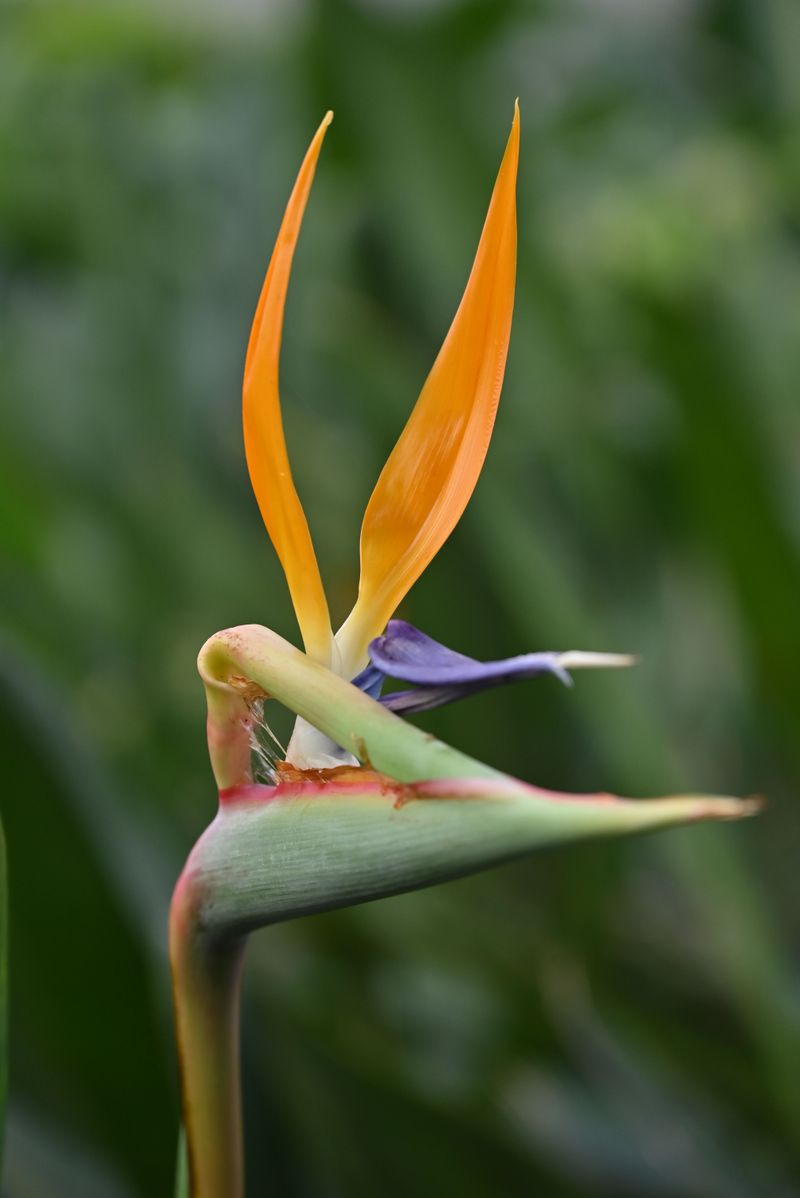
Right about now, your plant is busy behind the scenes. The orange bird of paradise, Strelitzia reginae, often blooms most heavily from fall through spring in the state.
Those pointed, beak-shaped buds may already be forming low in the clump.
Every flower stalk grows from the base of a leaf. When you cut healthy leaves away, you also lose the spots where future blooms can appear.
You remove the plant’s food factories too, since green leaves turn sunlight into the energy flowers need.
I learned this the hard way one October. I trimmed a big clump to make it look neat, and it gave me just a handful of flowers that winter.
My neighbor down the street left hers alone and had dozens.
A heavy fall cutback also pushes the plant to spend energy on new leaves instead of blooms. Fresh, tender growth can also be more easily hurt if a cold front sneaks in later.
So the first step is simple. Put the pruners back in the shed and take a slow walk around your plant.
Look near the base for those stiff green spikes poking up between the leaves.
Spotting them is half the fun, and it gives you something to look forward to.
Snip Only Brown Leaves and Spent Bird of Paradise Flowers
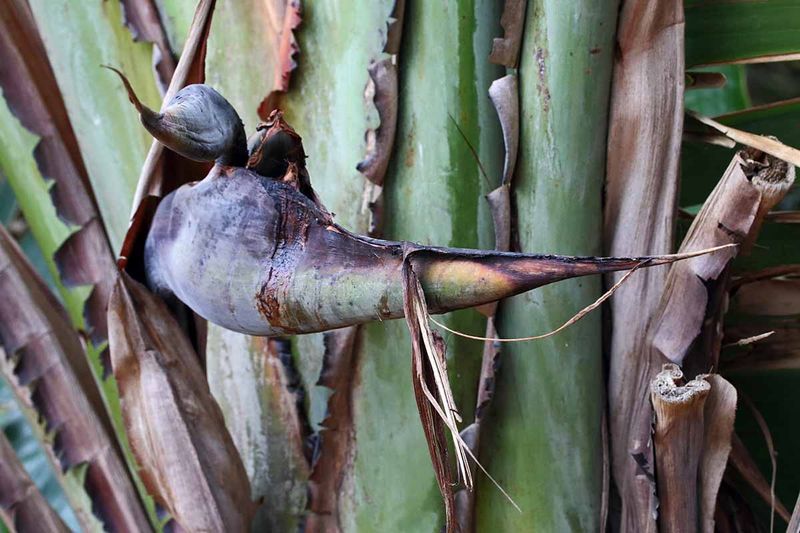
Gentle grooming is the secret here. You can still tidy your plant this fall, as long as you stay picky about what goes.
Think small snips, not a full makeover.
Start with leaves that are mostly brown, yellow, or badly damaged. Follow each one down and cut it close to the base.
Leaving long stubs behind can look messy and may give pests a place to hide.
Next, look for old flowers. Once the bright orange and blue parts fade and turn brown, the stalk has finished its job.
Cut it near the bottom so the clump looks fresh and the plant stops wasting effort on it.
Torn leaves can stay. Bird of paradise leaves split naturally in wind, and that shredded look is normal.
Even a ragged leaf keeps feeding the plant.
I like to clean my shears with rubbing alcohol before I start. It takes ten seconds and helps keep leaf spot diseases from traveling between plants.
Wear gloves too, since the old stalks are tough and fibrous. A sharp pair of bypass pruners or a small saw works far better than dull blades.
Ten minutes of careful snipping keeps the plant handsome without stealing its bloom power.
Feed Your Strelitzia a Light Fall Meal If Local Rules Allow
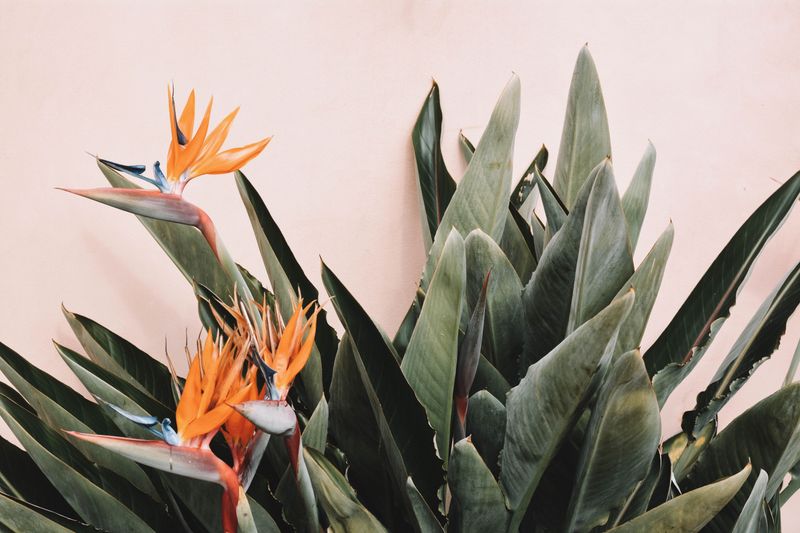
Hungry plants make fewer flowers. Bird of paradise is a fairly heavy feeder, and University of Florida experts suggest regular feeding during the growing season with a balanced, slow-release fertilizer.
Early fall is a smart time for one more light meal, especially in South and Central Florida, where plants stay active much longer. A slow-release product with potassium and magnesium supports strong, green leaves.
Palm and tropical blends often fit the bill nicely.
Spread the granules evenly around the drip area, not piled against the stems. Water them in lightly afterward.
Follow the label rate, because more fertilizer does not mean more flowers.
Now for the part many folks miss. Several Florida counties and cities have fertilizer ordinances.
Some ban nitrogen and phosphorus during the summer rainy season, often June through September, to protect lakes and springs.
Check your county’s rules before you buy anything. Your local UF/IFAS Extension office can tell you exactly what applies to your yard.
In North Florida, growth slows sooner as nights cool. Feed earlier in the fall there and skip late feeding, since soft new growth is easier to hurt in a freeze.
A modest snack beats a big feast every time.
Water Bird of Paradise Roots Less as Rains Taper Off
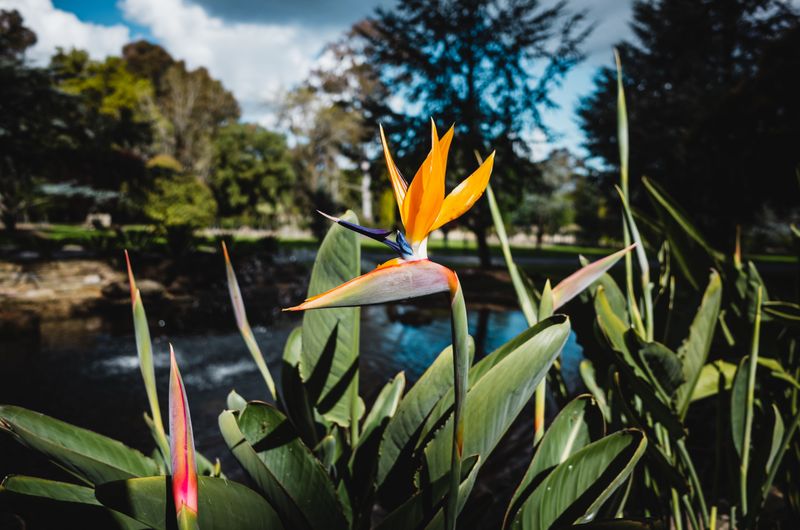
Florida’s rainy season usually winds down in October. That shift means your watering habits should change too.
Established bird of paradise plants handle short dry spells well, thanks to their thick, fleshy roots. Those same roots can’t stand sitting in soggy soil.
Too much water in cooler weather can lead to root rot, which shows up as yellow leaves and a weak, floppy clump.
My favorite test costs nothing. Push your finger two or three inches into the soil near the base.
If it feels dry, give a deep, slow soak. If it feels damp, wait a few days.
Deep watering beats frequent sprinkles. A long drink encourages roots to grow downward, which helps the plant ride out dry winter weeks.
Potted plants dry out faster than ground plants, so check them more often. Make sure every container has drainage holes and no saucer full of standing water.
Also check your irrigation timer. Many systems still run on summer settings well into fall, and that can drown a plant that needs less.
Local watering restrictions apply too, so follow your water district’s schedule. A little attention here keeps roots happy all season.
A Fresh Layer of Mulch Around Bird of Paradise Works Wonders
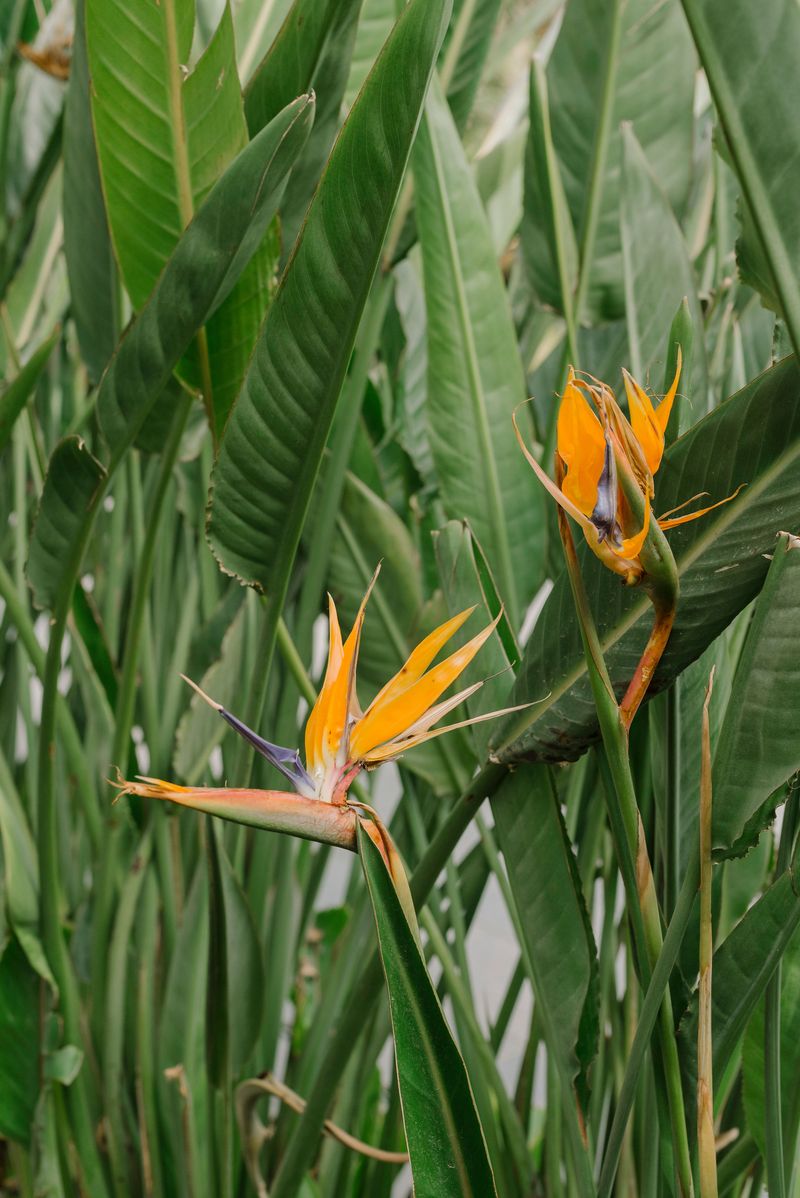
Mulch is like a cozy blanket for roots. A two to three inch layer around your bird of paradise helps hold moisture, keeps weeds down, and softens temperature swings when cool nights arrive.
Good choices in Florida include pine bark, pine straw, and eucalyptus mulch. UF/IFAS often suggests avoiding cypress mulch, since harvesting it can harm wetland forests.
Fallen leaves from your own yard also work great and cost nothing.
Spread the mulch out to the edge of the leaves. Keep it a few inches away from the base of the stems, though.
Mulch piled against the plant traps moisture and can invite rot.
Fall is a handy time for this chore. The ground is still warm, weeds slow down, and a fresh layer looks sharp under those blooming orange flowers.
As mulch breaks down, it slowly adds organic matter to sandy soil. That helps the soil hold water and nutrients longer, which your plant will love.
Did you know these plants are related to bananas? Both belong to the same plant order, which explains those big, paddle-shaped leaves.
Like bananas, they appreciate rich, moist soil that drains well.
Cold Snaps Can Nip Bird of Paradise Flowers in North Florida
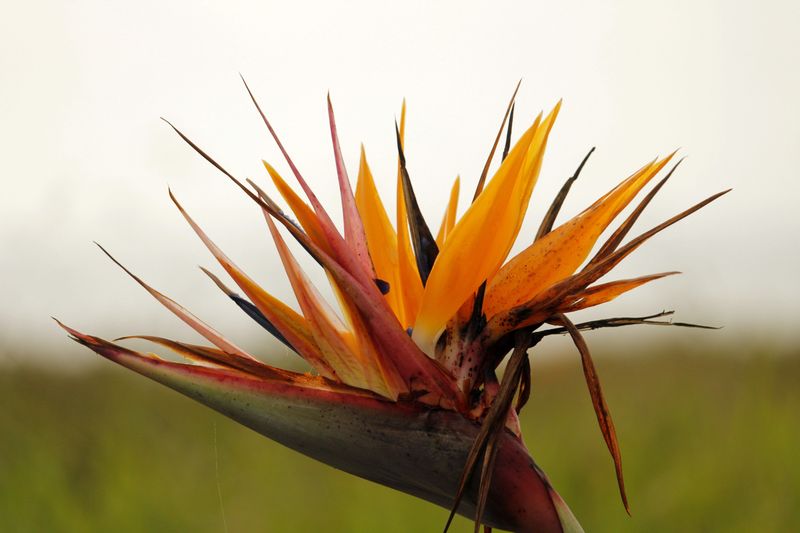
Frost in the state? It happens more than newcomers expect.
North Florida and parts of Central Florida see freezing nights most winters, and fall cold fronts can arrive with little warning.
Orange bird of paradise is fairly tough. Mature plants can handle brief dips into the upper 20s, but the flowers and buds are much touchier.
A hard freeze can brown the leaves and ruin the blooms you waited all fall to see.
Keep an eye on local forecasts starting in November. When a freeze is coming, cover plants with frost cloth or an old sheet that reaches the ground.
That traps warmth rising from the soil.
Skip plastic touching the leaves, since it can make cold damage worse. Remove covers the next morning once temperatures climb.
Potted plants are easier. Roll them into a garage or onto a covered porch during cold nights.
Group them close to the house for extra warmth.
If leaves still get damaged, resist cutting them right away. Brown leaves give some protection to the growing points during later cold spells.
Wait until the danger of frost passes in late winter, then trim what looks rough.
Let the Bird of Paradise Clump Grow Full for a Bigger Show
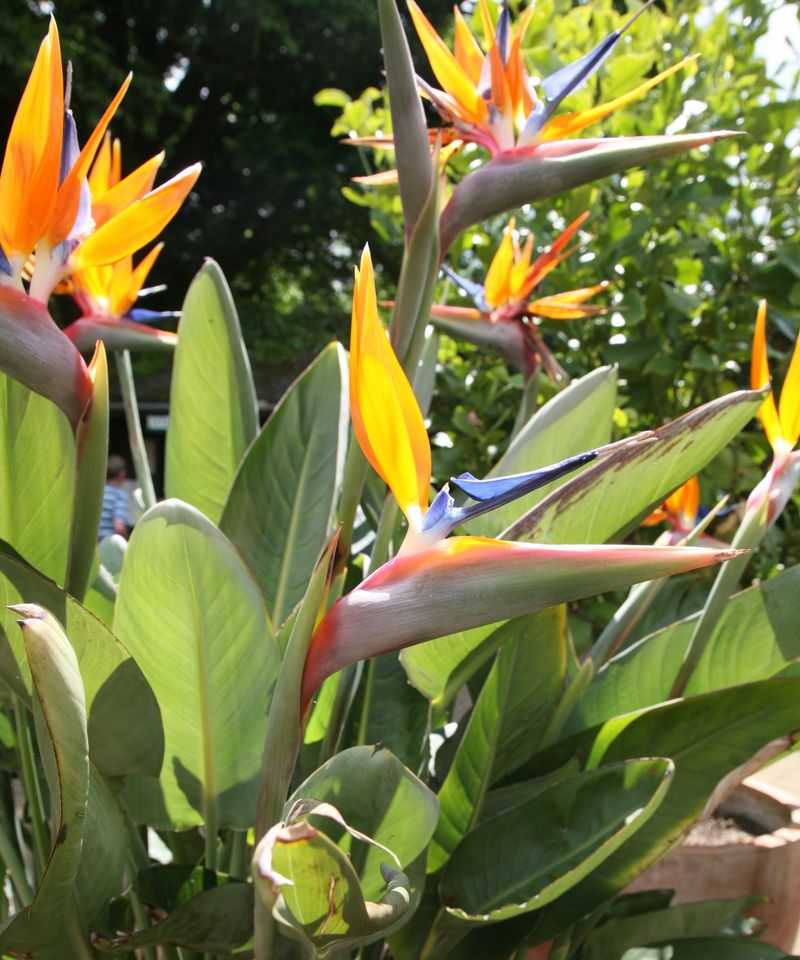
Patience pays off with this plant. A bird of paradise usually blooms best once it forms a big, crowded clump, often after three to five years in the ground.
Many gardeners think a packed plant needs thinning or dividing. In truth, slightly crowded roots often encourage more flowers.
Dividing in fall can set your plant back and cut your winter show short.
If you do need to divide or move one, plan it for spring or early summer. Warm soil helps roots settle in quickly.
Give your plant plenty of light too. In Florida, full sun to light shade works well.
Too much shade often means lots of leaves and very few blooms.
One more tip for your yard plans. Giant white bird of paradise, Strelitzia nicolai, is a different plant that can grow over 20 feet tall.
It rarely needs fall pruning either, beyond removing old leaves and stalks.
So this season, try stepping back. Water wisely, feed lightly, mulch well, and protect blooms from cold.
Then grab a chair and a cup of coffee, and watch those orange birds take flight one bloom at a time.