Green Clumps In Bare Southern Indiana Treetops Are A Holiday Plant That’s Toxic To Pets
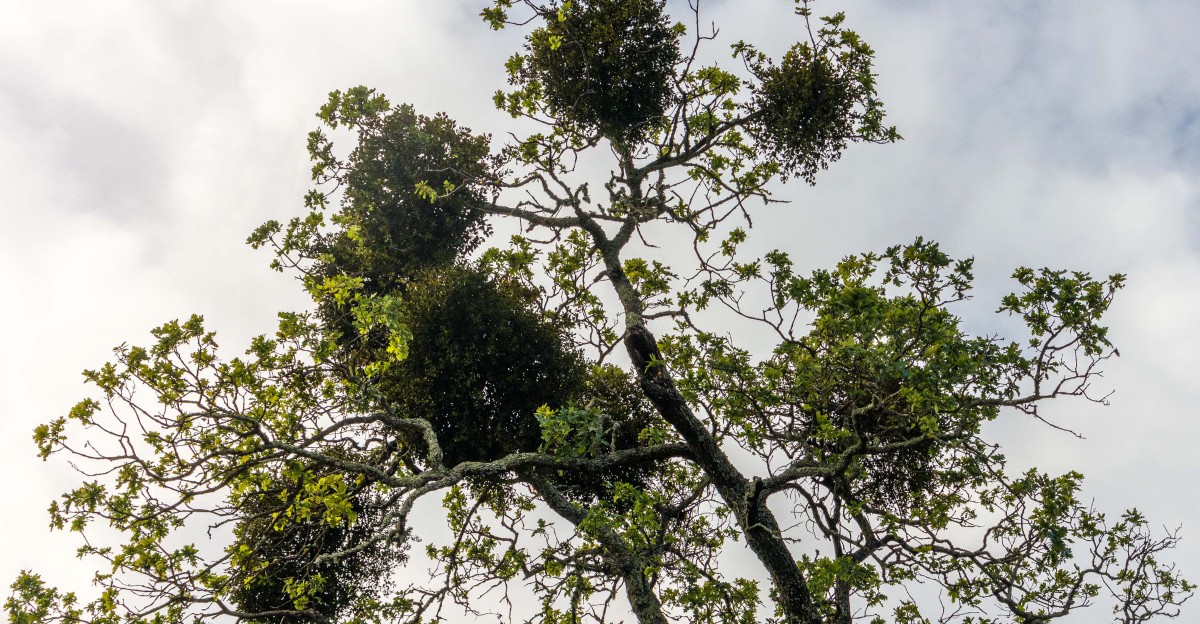
Some of the greenest leaves in Southern Indiana each December grow on plants with no roots in the soil at all. They hang in the treetops like leafy basketballs, perched sixty feet up on bare branches.
I’ll admit it, I spent years assuming those clumps were squirrel nests. Then a friend handed me binoculars, and I saw thick, oval leaves and tiny pearly berries staring back at me.
Here’s what gets me. Birds plant these clumps by accident, wiping sticky seeds onto twigs after a snack. The same berries that feed bluebirds and cedar waxwings can upset a dog or cat’s stomach in a hurry.
You’ve probably kissed under a sprig of it at a holiday party. So how does a plant that famous end up living rent-free in your oak tree, and why should pet owners care?
Those Leafy Balls In Bare Oak Branches Aren’t Squirrel Nests
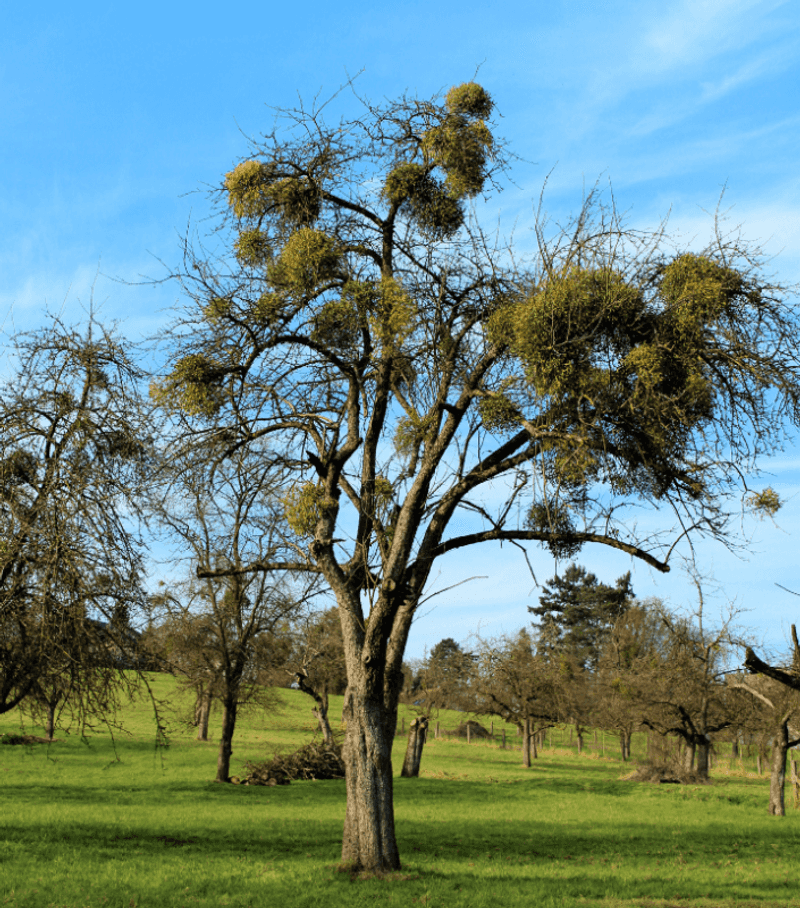
Squirrel nests are made of brown, dried leaves packed into a messy lump. The clumps you spot in winter stay bright green, even when snow coats every branch around them.
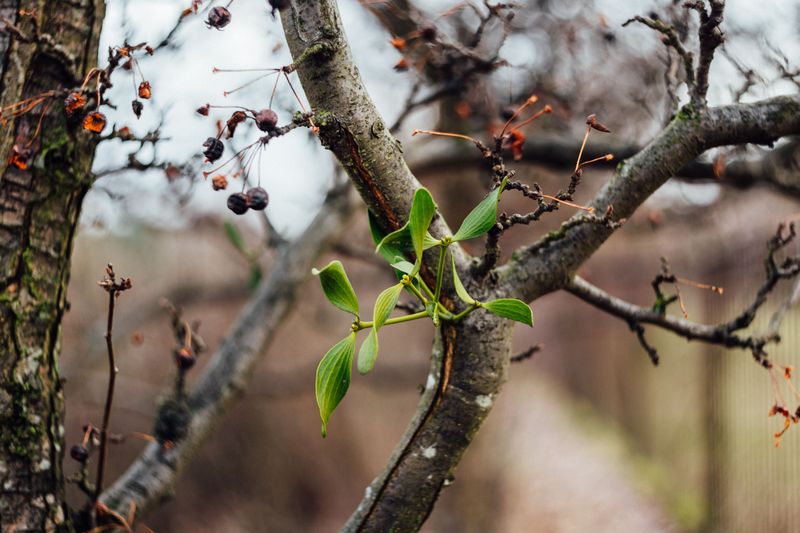
Get closer with binoculars and you’ll notice the difference right away. These bundles have thick, leathery leaves arranged on forked, jointed stems. In late fall and winter, many also carry clusters of small white berries.
That’s American mistletoe, known to botanists as Phoradendron leucarpum. It’s a native plant, not an invader, and it grows naturally across the southern half of Indiana. You’ll see it less often as you head north, since colder winters limit how far it can spread.
Summer hides it well. Leaves on the host tree cover the clumps, so most people walk right past them for months. Once the oaks, maples, and sycamores drop their foliage, the evergreen balls suddenly pop into view.
River valleys and bottomland woods along the Ohio and Wabash rivers are great places to look. Drive a country road in December and count them. Some trees carry a dozen or more clumps, each one slowly growing larger year after year.
Mistletoe Berries And Leaves Can Make Dogs And Cats Sick
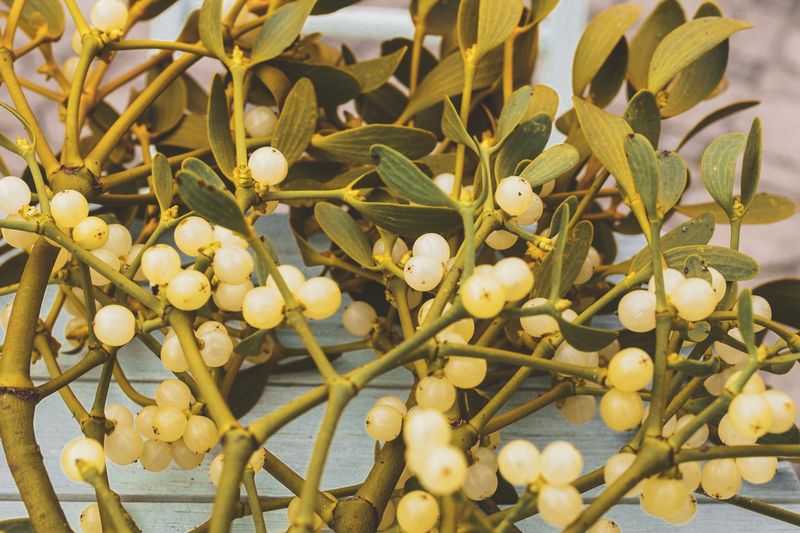
Fair warning for every pet owner reading this. The ASPCA lists American mistletoe as toxic to dogs, cats, and horses, and the plant you see in treetops is the same type sold for holiday decorating.
The leaves and stems contain compounds called phoratoxins and lectins. The berries are a concern too, mostly because they look like tasty little snacks to a curious pup. Most nibbles cause stomach trouble rather than anything more serious.
American mistletoe is generally less potent than European mistletoe, Viscum album. Still, the Pet Poison Helpline treats both as a real risk, especially when a pet eats a larger amount. Small animals face more trouble from smaller doses.
So where does exposure usually happen? Indoors, most often. A sprig falls from a doorway, or a decoration hangs low enough for a cat to bat at it.
Outdoors, the risk is lower because the plant grows so high. Wind and ice storms do snap off clumps, though, and they can land right in your yard. A dog who finds one on a walk may treat it like a new chew toy. Pick up any fallen pieces you spot.
Watch Your Pup For Drooling And Vomiting After A Mistletoe Nibble
Stomach upset usually shows up first. Pets who chew mistletoe often drool, vomit, or develop diarrhea within a few hours.
You might also see your dog or cat acting sluggish or uninterested in food. Some pets seem tender around the belly and hunch up or pace. Cats can hide under furniture when they feel off, so check quiet corners if your kitty disappears.
Larger amounts can bring bigger problems. Veterinary sources mention a slowed heart rate, low blood pressure, wobbly walking, and in rare cases seizures. Those signs are much less common with American mistletoe, but they call for emergency care right away.
Not going to lie, it’s easy to brush off one bout of vomiting during the holidays. Pets get into turkey scraps, tinsel, and wrapping paper all season long. That’s why noticing what’s missing from your decorations matters.
Count your mistletoe berries and leaves if something seems wrong. A bare stem where a full sprig used to be is a strong clue. Snap a photo of the plant to show your vet, since knowing the exact type helps them decide on the right treatment quickly.
Call Your Vet Or A Pet Poison Hotline Before Symptoms Start
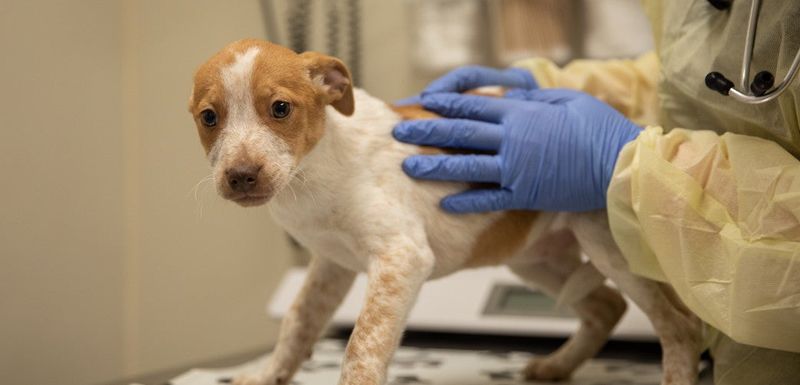
Speed makes a real difference here. If you catch your pet chewing mistletoe, call for advice right away instead of waiting to see what happens.
Your regular veterinarian is a great first call during office hours. After hours, reach out to an emergency clinic or a pet poison line. The ASPCA Animal Poison Control Center answers at 888-426-4435, and the Pet Poison Helpline is at 855-764-7661. Both charge a consultation fee.
Have a few details ready before you dial. Know your pet’s weight, roughly how much was eaten, and when it happened. Grab the leftover plant or packaging so you can describe it.
Please skip home remedies. Don’t make your pet vomit unless a vet tells you to, because that can cause other problems. Salt, hydrogen peroxide, and oil tricks from the internet often do more harm than good.
Many cases end with simple care, like fluids and medicine to settle the stomach. Pets who ate more may need a few hours of monitoring at the clinic. I keep both hotline numbers taped inside a kitchen cabinet, and I’d suggest you do the same before the holidays get busy.
Hang Holiday Mistletoe Where Paws And Noses Can’t Reach
Cats are basically furry acrobats. If a shelf, curtain, or bookcase sits near your doorway, assume your cat can reach the mistletoe hanging there.
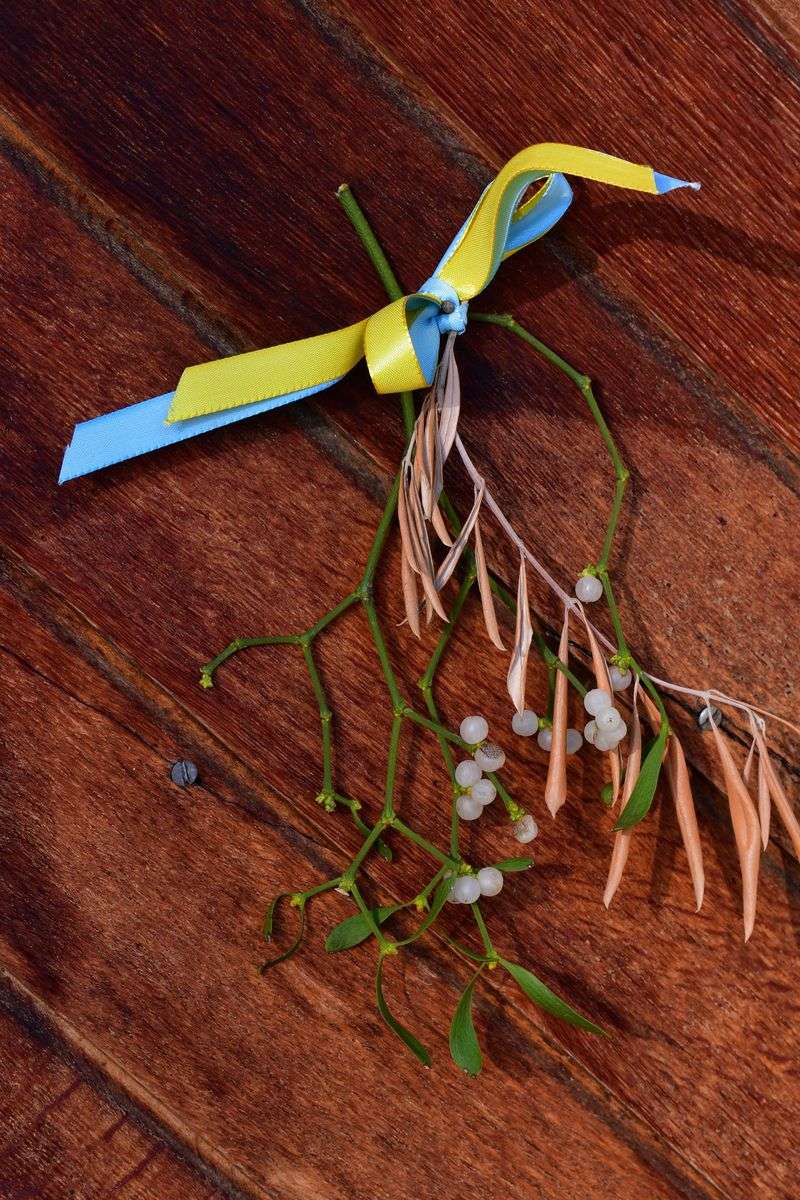
Hang sprigs and kissing balls high in open doorways, well away from furniture pets use as launch pads. Use a sturdy hook and secure ribbon so drafts or slamming doors don’t knock it loose. Check under it daily for dropped berries and leaves.
Fake mistletoe is the easiest fix. Many artificial versions look surprisingly real, and they last for years. Just watch out for small plastic berries, which can still be a choking or swallowing concern.
Some fresh mistletoe sold in stores has plastic berries glued on in place of real ones. That’s helpful, but the leaves and stems still carry toxic compounds. Don’t treat those bundles as pet-safe.
Visiting friends with pets? Mention your mistletoe to guests who bring dogs along to holiday gatherings. A quick heads-up keeps everyone relaxed.
Other seasonal plants deserve the same caution. Holly berries and many lilies can cause serious trouble, especially lilies for cats. Poinsettias are mildly irritating, so they rank lower, but keeping all holiday greenery out of reach is a smart habit.
Mistletoe Steals Water From Its Host Tree While Making Its Own Food
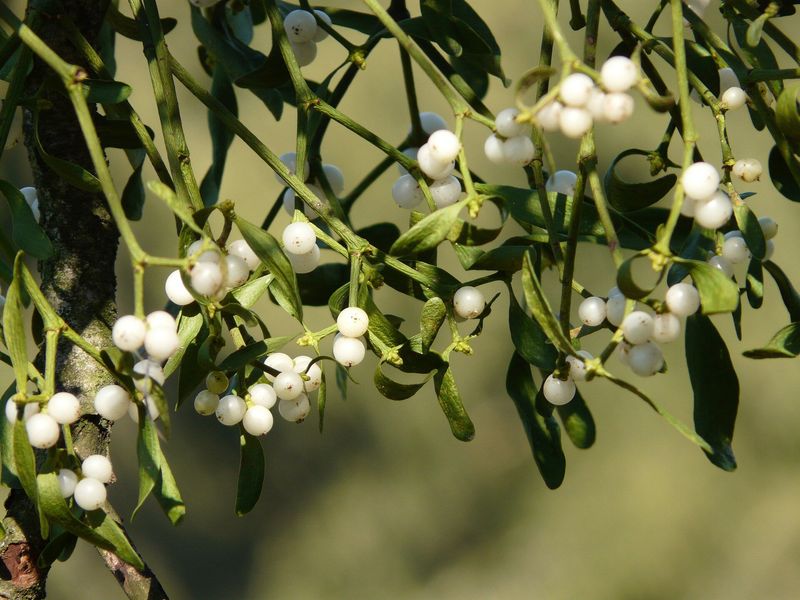
Call it a partial freeloader. Mistletoe is a hemiparasite, which means it makes some of its own food through photosynthesis while borrowing from its host.
The plant sends a root-like structure called a haustorium into the branch. That connection taps the tree’s water and minerals. Those green leaves handle sugar production, which is why the clumps stay green all winter.
American mistletoe has many hosts. In Indiana, you’ll often find it on black gum, red maple, silver maple, elm, hackberry, oak, and sycamore. Trees along streams and woodland edges seem especially popular.
So how does a plant end up sixty feet in the air? Birds do the planting. The berries are coated in sticky pulp, and birds wipe seeds onto branches or pass them in droppings. A fresh seed then glues itself in place and starts growing.
Here’s a fun bit of history. Some folks say the name traces to old words meaning dung on a twig, a nod to how birds spread it. Researchers debate that origin, but it’s a memorable story to share at your next holiday party.
Bluebirds And Cedar Waxwings Count On Those Winter Berries
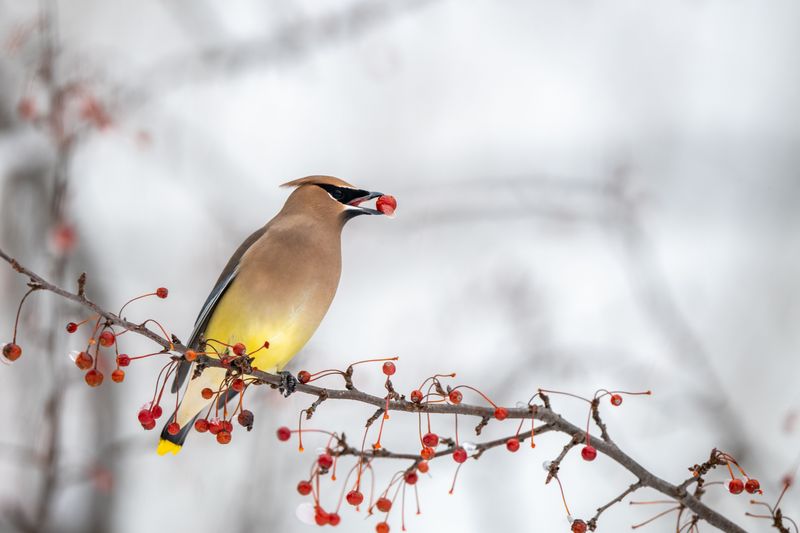
I didn’t expect a parasite to be a wildlife hero. Yet mistletoe feeds and shelters a surprising number of creatures through the hungriest months.
Eastern bluebirds, cedar waxwings, American robins, and mockingbirds all eat the berries. Birds seem to handle the toxins far better than mammals do. For them, those white berries are a valuable winter meal when insects are scarce.
Dense clumps also offer cover. Small birds tuck into them on windy nights, and some species build nests inside mistletoe in spring. The great purple hairstreak, a striking butterfly, lays eggs on mistletoe because its caterpillars feed on the leaves.
Studies in other regions have found that forests with mistletoe often support more bird species. Scientists sometimes call it a keystone resource for that reason. It quietly holds a lot of the local food web together.
Want to enjoy the show? Set up near a mistletoe-heavy tree with binoculars on a sunny winter morning. Waxwings travel in chatty flocks and can strip a clump in minutes. It’s one of the best free bird-watching moments you’ll find in Southern Indiana each winter.
A Few Mistletoe Clumps Rarely Harm A Healthy Yard Tree
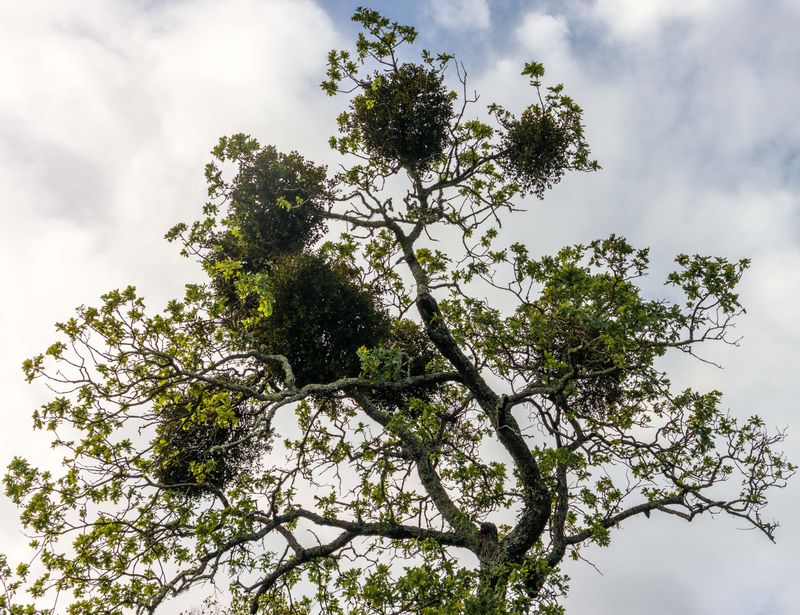
Relax a little if your favorite maple has a clump or two. A healthy tree can usually host a few mistletoe plants for years without serious trouble.
Heavy infestations are a different story. Dozens of clumps can stress a tree, especially during drought, and weaken limbs over time. Older or already struggling trees feel that strain most.
Pruning is the most reliable control. Cut infested branches at least a foot below the attachment point, since the haustorium spreads inside the wood. Simply snapping off the green top lets it regrow from the same spot.
Hire a certified arborist for anything high up. Climbing ladders in icy weather to chase a clump just isn’t worth the risk. Late fall and winter make the job easier because the clumps are so visible.
Weigh the pros and cons before removing it all. Those clumps feed birds and butterflies, and many Hoosier gardeners happily leave some in wilder trees. Remove the ones over patios, dog runs, and play areas, where falling pieces could reach pets. That balance keeps your yard safer while still giving wildlife a winter snack bar.