What Florida Law Says About Trimming A Neighbor’s Overhanging Branches
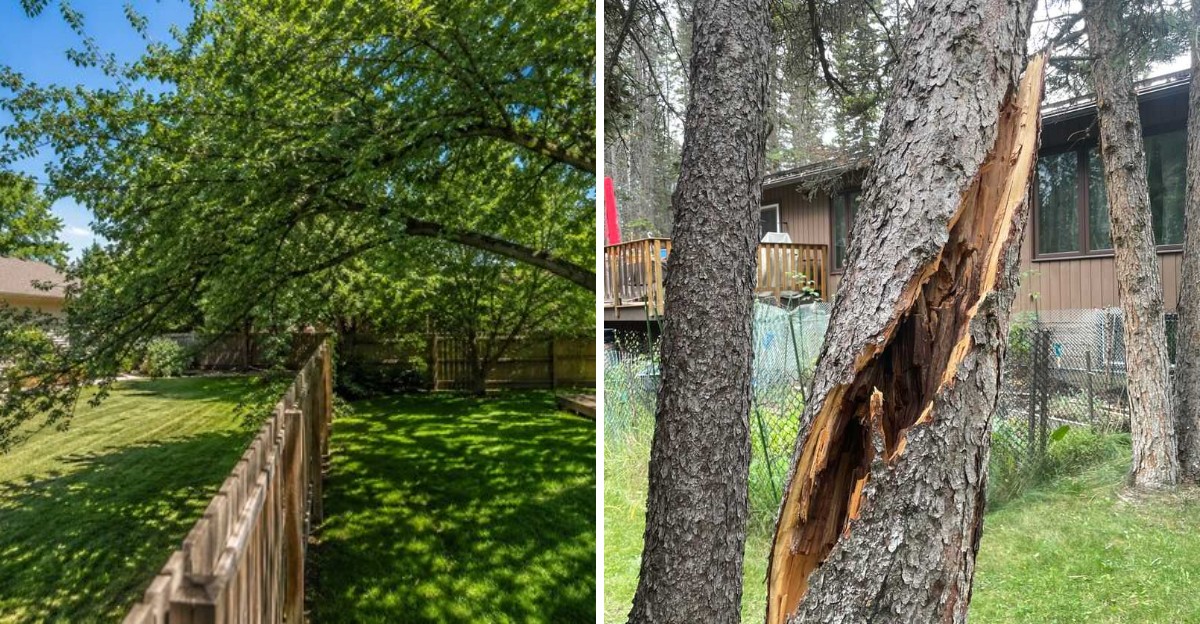
A Florida court once held a neighbor liable for an oak tree that the cutter never set foot near. The trouble came from cuts made on his own side of the fence.
That story stuck with me. I trim my own shrubs with confidence, yet a limb from next door feels like a different puzzle.
Florida follows an old common law idea that lets you handle certain problems yourself. You get real freedom here, along with a few surprising limits that catch plenty of homeowners off guard.
I’ll defend this to the end: every gardener with a shared fence line should know these rules before the loppers come out. Leaves in the pool, shade on the tomatoes, and hurricane worries all tie back to the same question. The line your saw can’t cross might surprise you.
Your Side Of The Fence Comes With A Surprising Power
Most homeowners expect a long permission process. Florida keeps it simpler than that, thanks to a long-standing common law rule often called self-help.
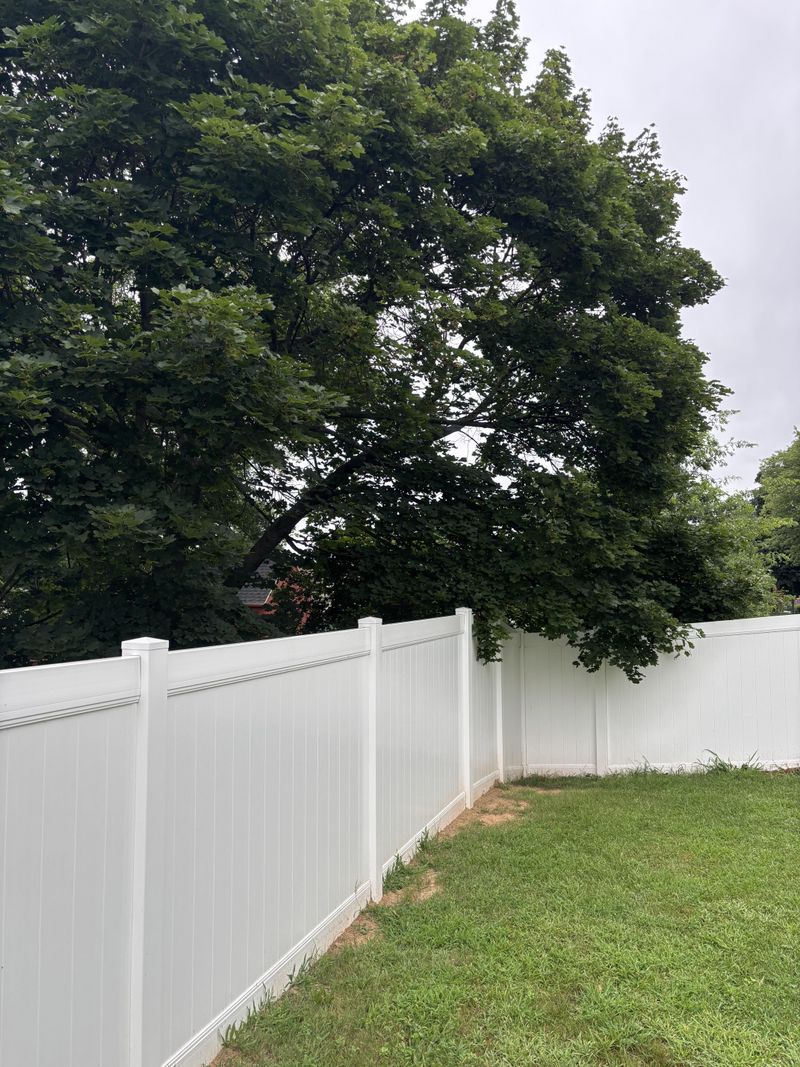
Under this rule, you may trim branches and roots from a neighbor’s tree that cross over the property line onto your land. You can cut them back up to the line itself, and you are not required to ask first.
Courts across the country have recognized this idea for generations, and Florida follows it.
I like how practical this feels. A sprawling laurel oak dropping acorns on your patio or a mango limb shading your vegetable bed can be handled without a formal request or a court visit.
Still, the right has edges. It covers only the parts of the tree that are over your property, and it does not let you remove the whole tree.
It also does not make your neighbor pay for your trimming in most situations, so the cost usually lands on you.
Think of it as permission to tidy your own airspace. You are protecting your yard, not reshaping the tree next door.
Before you start, confirm where the property line actually sits. A survey or your plat map beats guessing by a fence post.
Pruning Shears Stop Exactly At The Property Line
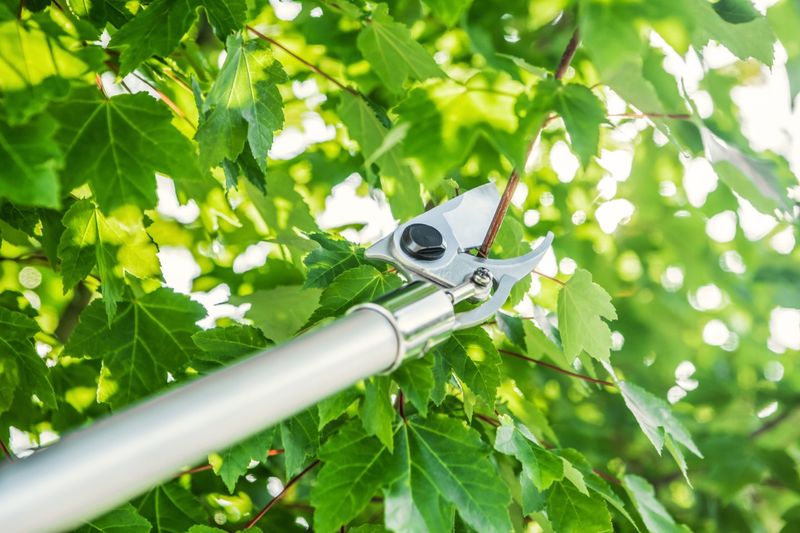
Here comes the rule that keeps things friendly. Every cut must happen from your own property, unless your neighbor gives you permission to step over.
Walking onto the neighbor’s lawn, leaning a ladder against their side of the fence, or climbing into the tree on their land can count as trespassing. Even a well-meaning helper can create a legal headache by crossing that invisible line.
So plan your angles. Pole pruners and pole saws let you reach high branches while your feet stay planted at home.
For bigger limbs, a tree crew can often work from your side with a bucket truck or rigging.
Also think about where the cut pieces fall. Dropping heavy limbs onto your neighbor’s roof, car, or garden bed can make you responsible for the damage.
A quick tip from my own yard: cut in small sections instead of one big chunk. Lighter pieces are easier to control and much less likely to bounce over the fence.
Finally, remember that the branches you trim are generally your cleanup job. Tossing the debris back into the neighbor’s yard is a fast way to sour a good relationship and possibly invite a complaint.
Harming The Neighbor’s Tree Trunk Can Cost You Big
A few careless cuts can turn into a very expensive lesson. Florida courts have held people responsible when their trimming seriously harmed a neighbor’s tree.
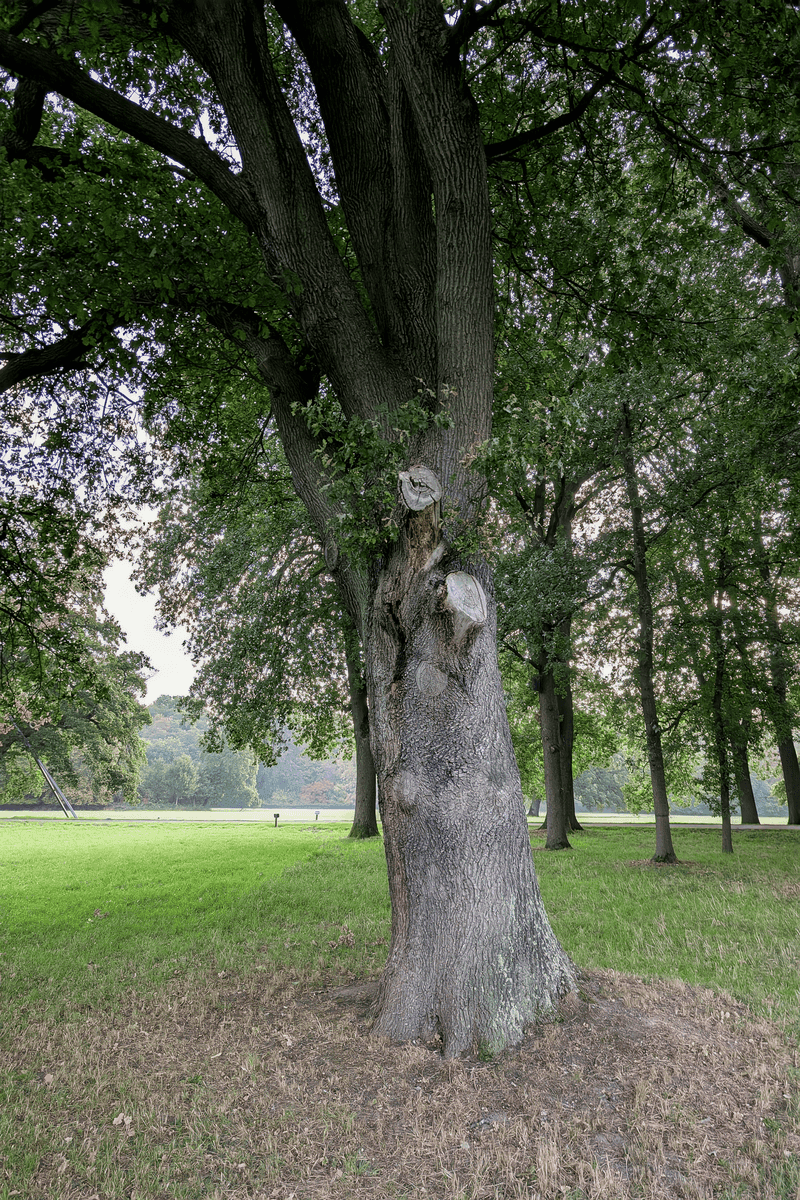
Your right to trim does not include doing work that sends the whole tree into decline. Removing too much canopy on one side, cutting large structural limbs, or slicing through major roots can weaken it badly.
If the tree fails or has to come down, the owner may seek damages.
Those damages can add up. Mature shade trees are often valued well into the thousands of dollars, and replacement or appraisal costs can climb higher depending on size and species.
Roots deserve special caution. Many large trees keep most of their roots in the top couple of feet of soil, spreading far beyond the drip line.
Trenching right at the property line for a pool or patio can harm a tree you never touched above ground.
University of Florida IFAS guidance on pruning suggests removing only a modest share of live foliage at once and making clean cuts just outside the branch collar.
When in doubt, cut less. You can trim again next season, but you cannot undo a cut that weakens a beloved oak.
Hurricane-Toppled Trees Raise The Question Of Who Pays
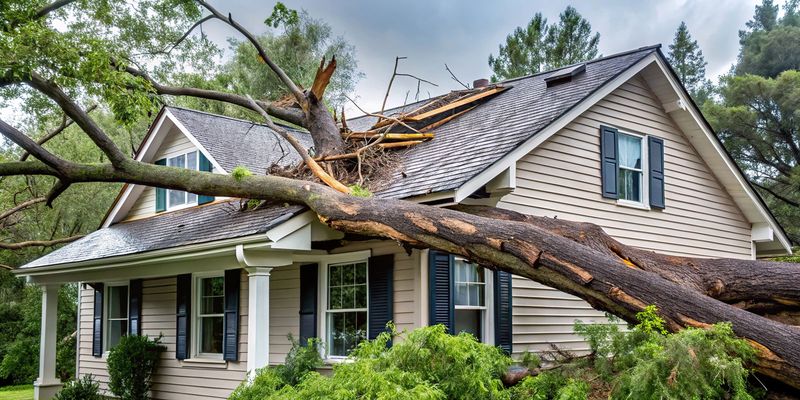
Anyone who has lived through a Florida hurricane season knows the sound of a limb cracking in the wind. Afterward, the big question is usually about the bill.
Generally, if a healthy tree from next door falls during a storm, the law treats it as an act of nature. The tree owner usually is not liable, and your own homeowners insurance becomes the main source of help for damage to your house or fence.
That surprises a lot of people. It feels unfair when the tree was not yours, but the key point is that a sound tree failing in severe wind is not considered anyone’s fault.
Insurance policies differ, so read yours closely. Some cover debris removal only when the tree strikes a covered structure, and many carry a separate hurricane deductible that can be a percentage of your home’s insured value.
Take photos right away. Pictures of the fallen tree, the stump, and any damage help your insurer and help show the tree’s condition before cleanup starts.
A small habit pays off here. Snap a few photos of nearby trees each spring so you have a record of how they looked before storm season arrives.
Rotting Limbs Change The Story Completely
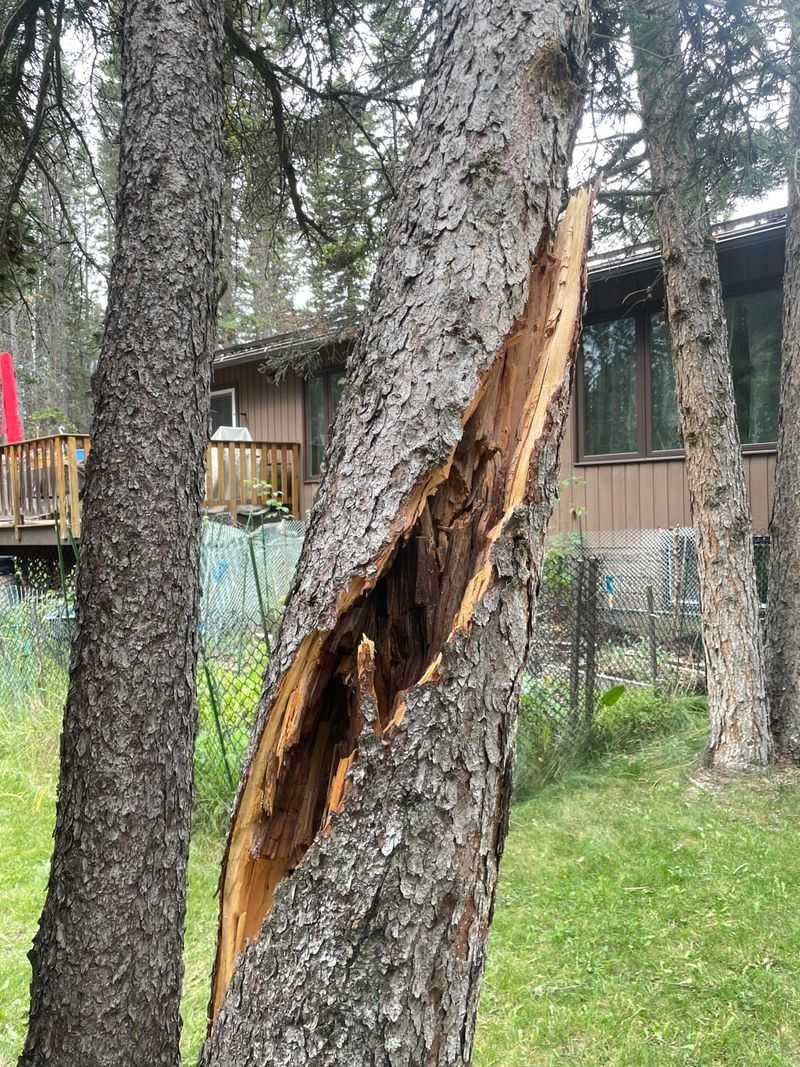
Picture-perfect leaves are one thing. A trunk with mushroom-like conks, deep cracks, or a hollow base is something else entirely in the eyes of the law.
When a tree is visibly decayed or diseased and the owner knew, or reasonably should have known, about the hazard, things shift. If that tree then falls and damages your property, the owner may be found negligent and responsible.
Warning signs worth noting include peeling bark with soft wood underneath, fungal growth near the base, large leafless sections in the growing season, and cracks where big limbs join the trunk. Leaning that suddenly worsens is another red flag.
So how do you protect yourself? Put your concerns in writing.
A polite letter or email with photos creates a record that your neighbor was informed about the risk.
An arborist’s report adds even more weight. A certified arborist can rate the tree’s risk and suggest pruning, cabling, or removal.
Keep the tone neighborly. Most people truly do not notice slow decay in their own yard, and a calm heads-up often leads to quick action.
A written record simply backs you up if the conversation goes nowhere.
Some Cities Protect Big Oaks And Mangroves With Extra Rules
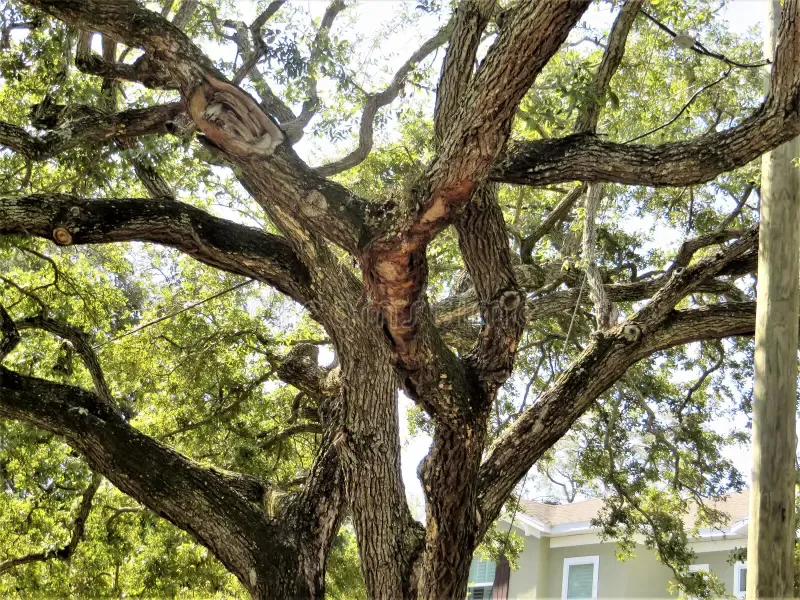
State law sets the basics, but your city or county may add its own layer. Local tree ordinances can still apply when you trim.
In 2019, Florida passed a law limiting local permit requirements for removing or pruning residential trees that a certified arborist or licensed landscape architect documents as a danger. Even so, many counties and cities keep rules for protected or specimen trees, and the details differ from place to place.
Mangroves are a special case. Trimming them is regulated by the Florida Department of Environmental Protection under the Mangrove Trimming and Preservation Act, and some local governments handle permits too.
Cutting coastal mangroves on your own can lead to fines.
Homeowners associations matter as well. Many Florida HOAs have landscaping covenants about tree work, appearance, and approved contractors.
My advice is simple and boring, yet it works. Call your local planning or code enforcement office, describe the tree, and ask whether any permit applies before doing major cuts.
Utility lines are another limit. Branches near power lines should be left to the utility company or a qualified line-clearance crew, since contact with energized lines is extremely dangerous.
A Friendly Chat And A Certified Arborist Make Fence Lines Peaceful
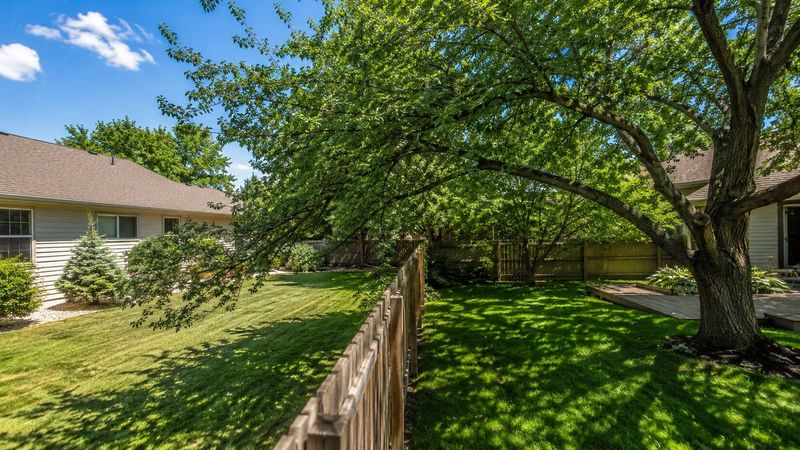
Legal rights are handy, but good neighbors are priceless. A five-minute conversation over the fence often solves more than any statute.
You do not need permission to trim your side, yet giving a heads-up builds trust. Mention which limbs bother you, when the work will happen, and who will do it.
Your neighbor might even offer to split the cost or allow access from their yard, which makes cleaner cuts possible.
For anything beyond small branches, hire an ISA certified arborist. Look for proof of liability insurance, and ask for a written estimate that describes exactly which limbs will be removed.
Timing helps too. Many Florida arborists suggest finishing structural pruning before hurricane season begins on June 1, since thinner, well-shaped canopies tend to handle wind better.
Avoid topping, which UF/IFAS warns can create weak regrowth.
Keep simple records. Save photos, receipts, and any notes from conversations or letters about the tree.
I believe the best outcome is a trimmed limb and a neighbor who still waves. Know your rights, respect the line, cut with care, and let the professionals handle the big jobs.