Before Reusing Florida Garden Pots This Fall, Clean This One Place Pests Hide
Fungus gnat larvae can live in the top couple inches of damp potting mix, and a single female can lay up to 200 eggs. Some of the worst troublemakers in my pots were hiding where I rarely looked.
Not going to lie, I used to give my old containers a quick hose rinse and call it done. Then a fresh batch of fall herbs sulked for weeks. The culprits had been tucked away the whole time, waiting for new roots.
Florida’s mild autumn is part of the problem. Cool nights barely slow down many insects here, and humid air keeps old pots damp for days. Leftover roots and crusty soil give pests and disease spores a cozy place to wait.
Now, where exactly do they camp out? It sits right under your nose, or more accurately, right under your pot.
The Sneakiest Hideout Sits Under the Pot Rim and Drainage Holes
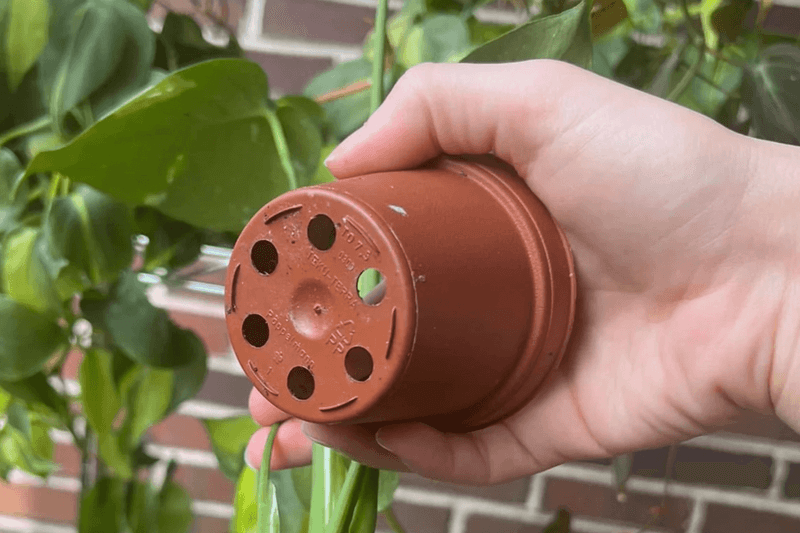
Flip an old pot over and look closely. That ring under the bottom rim and the edges around the drainage holes are the spots I now check first.
These tight, shady crevices stay damp longer than the rest of the pot. Old roots poke through the holes and dry into a tangle, and soil packs into the grooves. That mix of moisture, shelter, and leftover plant tissue gives pests a quiet place to wait.
Root mealybugs are a classic example. University of Florida experts note they feed on roots and can show up as white, waxy, cottony patches along the root ball and the inside walls of containers. Fungus gnat eggs and larvae also like damp organic gunk, and slugs and pill bugs love the cool space under a pot sitting on a patio.
Disease is part of the story too. Soilborne pathogens such as Pythium and Rhizoctonia can linger in old soil residue stuck to the pot. They are invisible, which makes them easy to ignore.
Here is my simple rule now. If a spot is hard to see and hard to reach, it gets the most attention when cleaning.
Knock Out Old Roots and Soil With a Stiff Brush First
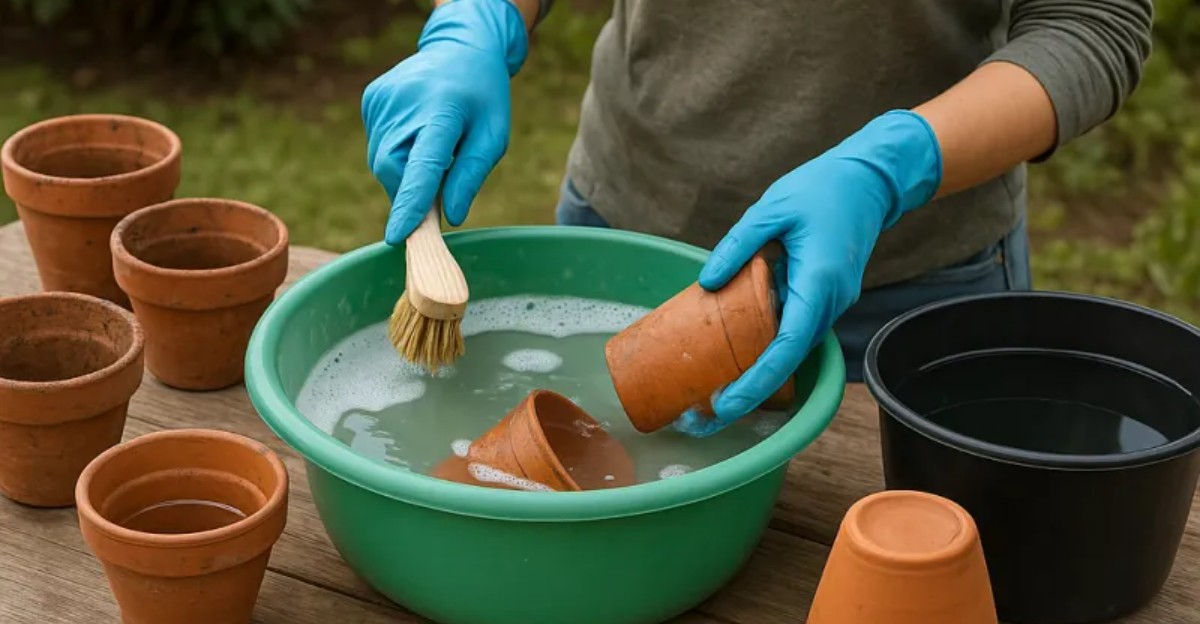
Grab a bucket, some dish soap, and the ugliest stiff brush you own. Scrubbing is where the real work happens, and it matters more than any spray.
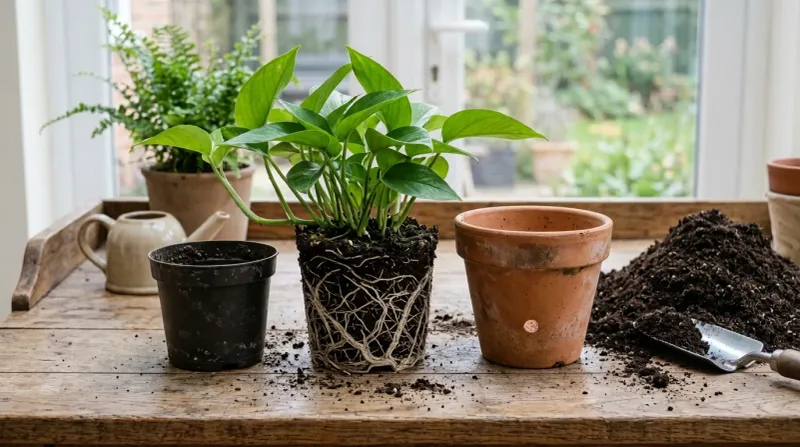
Start by dumping all the old potting mix. I keep it out of new containers, since it may carry pests, salts, and spent nutrients. Toss it in a sunny compost pile or spread it in a landscape bed away from your fresh plantings.
Next, pull out every root stuck in the drainage holes. A butter knife or an old screwdriver works wonders here. Then scrub the inside walls, the outer base, and that bottom rim with warm, soapy water.
Disinfectants work poorly on dirty surfaces. Extension specialists point out that soil and organic matter shield germs from sanitizers, so cleaning comes first every time.
White crust on clay pots is usually mineral salts from water and fertilizer. A soak in a mix of one part white vinegar to about four parts water helps loosen it, and the brush does the rest.
Rinse well when you finish. A spotless pot surface means your sanitizing step can do its job properly.
A Diluted Bleach Soak Gets Into Every Pot Crevice
My grandmother swore by a bleach bucket, and it turns out the science backs her up. A 10 percent bleach solution is a standard extension recommendation for sanitizing reused containers.
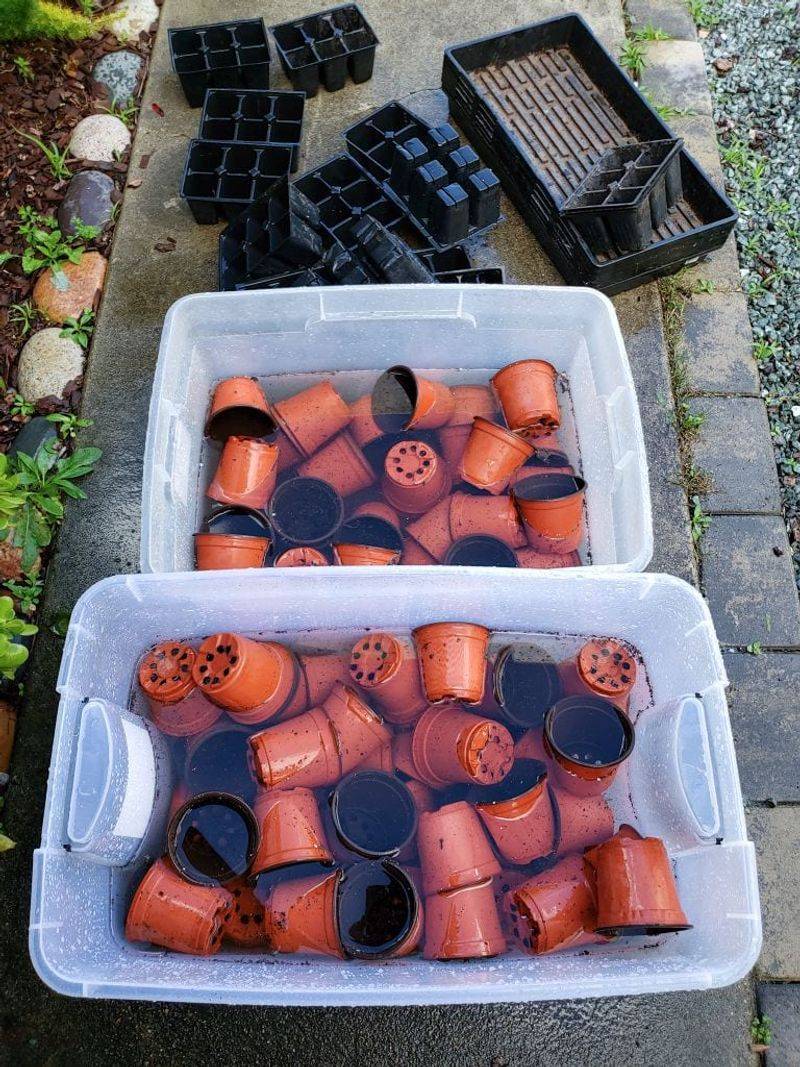
Mix one part household bleach with nine parts water in a large tub. Fully submerge the clean pots so the solution reaches the drainage holes and the bottom rim. Let them soak for about 10 to 30 minutes.
Mix a fresh batch each time you work. Bleach breaks down once diluted, so yesterday’s bucket loses its punch.
Wear gloves and eye protection, and work outside where air moves freely. Never mix bleach with vinegar, ammonia, or other cleaners, since those combinations release harmful gases.
After soaking, rinse every pot with clean water to wash off leftover bleach. Porous terracotta can hold residue, so I give clay pots an extra rinse or a short soak in plain water.
Plastic, glazed ceramic, and terracotta all handle this treatment well. Thin, brittle plastic pots that crack easily are often better off retired, since cracks hide residue that scrubbing struggles to reach, so check whether a local plastic-pot recycling program accepts them.
Skip the Bleach and Try Hydrogen Peroxide
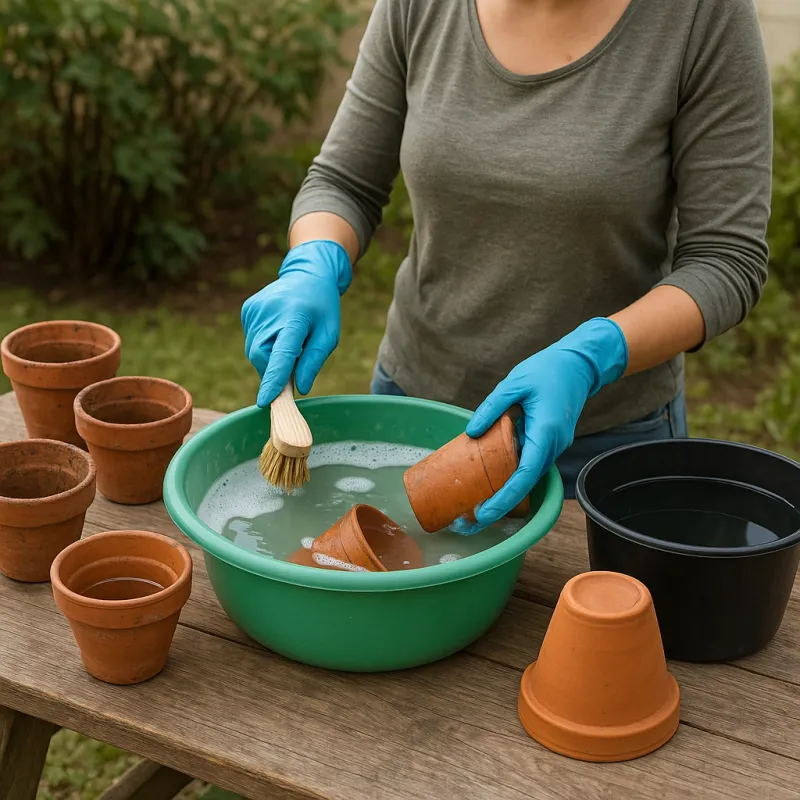
Maybe the smell of bleach makes your eyes water, or you only have a couple of pots to tackle. Happily, you still have solid options.
Drugstore hydrogen peroxide, the 3 percent kind, can sanitize clean pot surfaces. Spray or soak the containers, let it sit around 10 minutes, then rinse. It breaks down into water and oxygen, which many gardeners appreciate.
Rubbing alcohol, at 70 percent strength, is handy for wiping small pots and decorative containers. It evaporates quickly, so give surfaces a thorough wipe and keep them wet for at least a minute. That same bottle works on pruners too.
Some household disinfectants sold for hard surfaces also work. Read the label for directions and contact times, because each product differs.
Fair warning, plain vinegar is great for mineral crust but is not considered a reliable disinfectant for plant pathogens. Use it to clean, then follow with a true sanitizer.
Whichever route you pick, the earlier scrubbing step still counts most. No liquid can reach a mealybug tucked behind a wad of dried roots in a drainage hole.
Florida Fall Weather Keeps Garden Pests Busy Longer
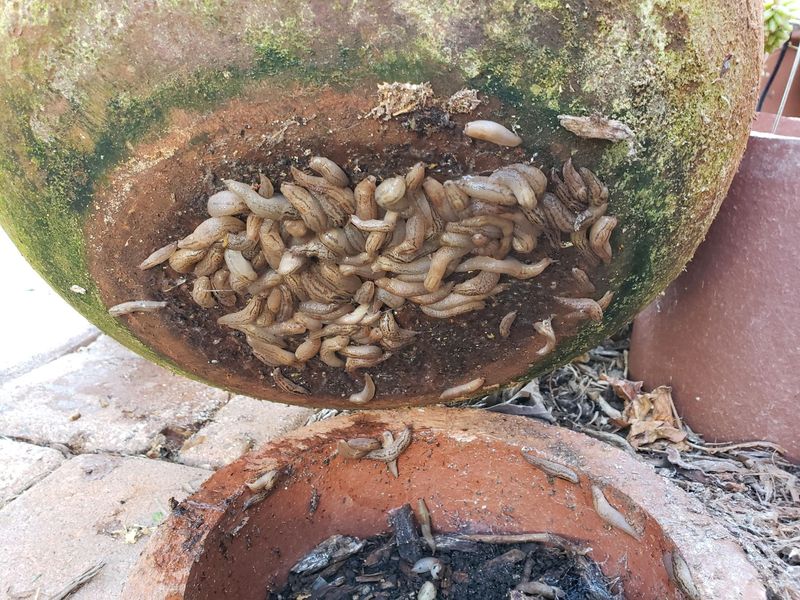
Up north, a hard freeze resets the pest calendar every year. Here, October can still feel like a steamy summer afternoon.
Florida spans USDA zones 8 through 11, and most of the state stays warm well into autumn. North Florida might see its first light frost in late November or December, while South Florida often goes frost-free. Many insects keep feeding and breeding through the season.
That warmth is why fall is prime planting time. Gardeners across the state start cool-season vegetables, herbs, and annuals like petunias and snapdragons right about now. Those tender transplants are exactly what lingering pests want.
Humidity plays a role too. Afternoon showers and morning dew keep pot bottoms damp, especially when containers sit flat on concrete or wood. Damp, shaded spots favor fungus gnats, slugs, and root rot organisms.
I noticed it most on my back porch. Pots resting in one place all summer had the worst buildup underneath.
Raising containers on pot feet or small bricks lets air flow under the drainage holes. That simple trick keeps the bottom drier and far less inviting.
Let Clean Pots Dry in the Sun Before Adding Fresh Potting Mix
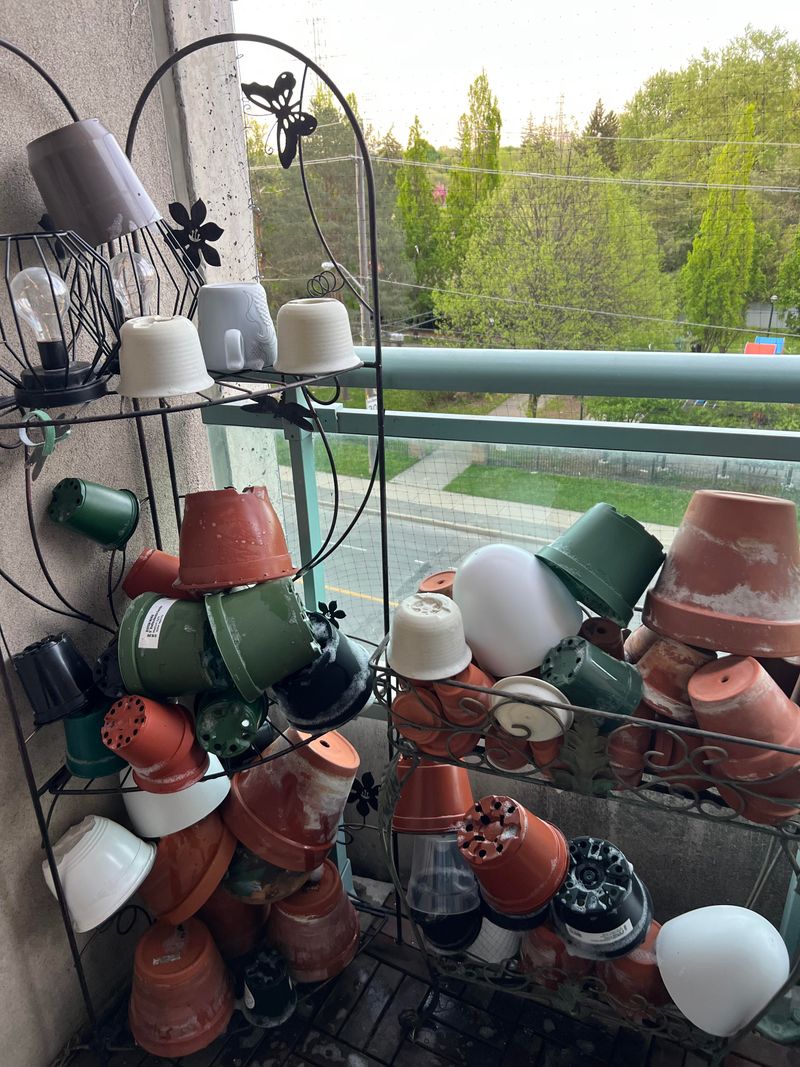
Patience feels hard when a flat of fresh seedlings is waiting. Still, letting your pots dry fully pays off.
Set the clean containers upside down in full sun for a day or so. Florida sunshine dries them fast, and the open position lets the drainage holes air out. Moisture left in crevices only invites trouble back.
Fill them with fresh, bagged potting mix, not garden soil. Extension experts recommend a soilless mix because yard soil compacts in containers and can carry pests, weed seeds, and disease. Old mix should stay out too.
Terracotta has a quirky habit worth knowing. Dry clay pulls water out of new soil, so many gardeners soak clay pots in plain water for a bit right before planting.
Check your new plants carefully as well. Slide each transplant from its nursery pot and look at the roots for white cottony patches or mushy brown spots.
Healthy roots are usually white or tan and firm. A quick look now saves you from carrying a fresh problem right into your newly cleaned pot.
A Quick Peek Under Your Pots Each Month Keeps Trouble Small
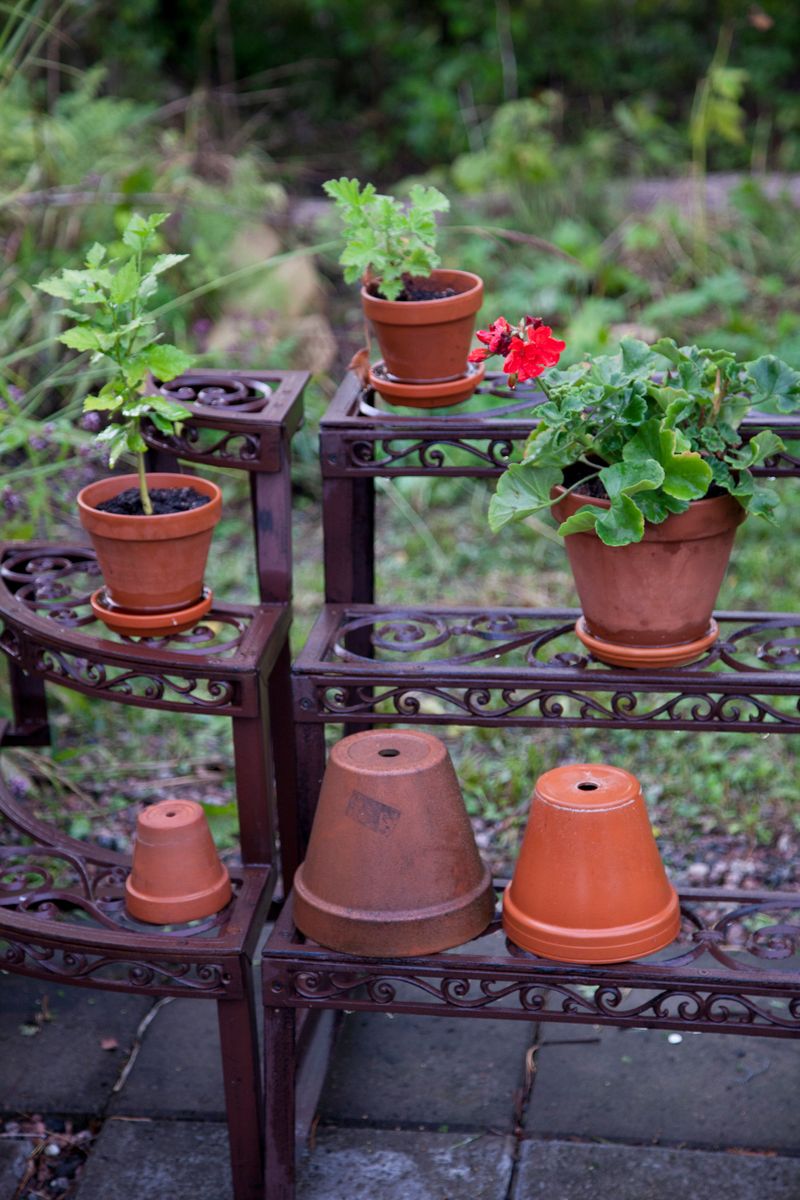
Cleaning once is great, but a tiny habit keeps the work from piling up again. I now tip my pots and peek underneath about once a month.
Look for roots escaping the drainage holes, which can signal a plant ready for a bigger pot. Watch for white fluff, tiny flying gnats, slime trails, or a sour smell. Catching these early makes control much easier.
Water wisely, too. Overwatering is a top cause of fungus gnats and root rot, so let the top inch of mix dry before watering again. Empty saucers after rain so pots are not sitting in puddles.
Keep a short cleanup routine each season. Sweep debris from under containers, move pots occasionally, and store empty ones upside down or stacked in a dry spot.
If plants still struggle, your county UF/IFAS Extension office can help identify pests. Many offices offer free plant clinics with Master Gardener volunteers.
Truth is, a clean pot is the cheapest pest control you will ever buy. Your fall herbs and flowers get a fresh start, and you get far fewer surprises.