Do This To Your Coontie Before November Ends If You Have Dogs
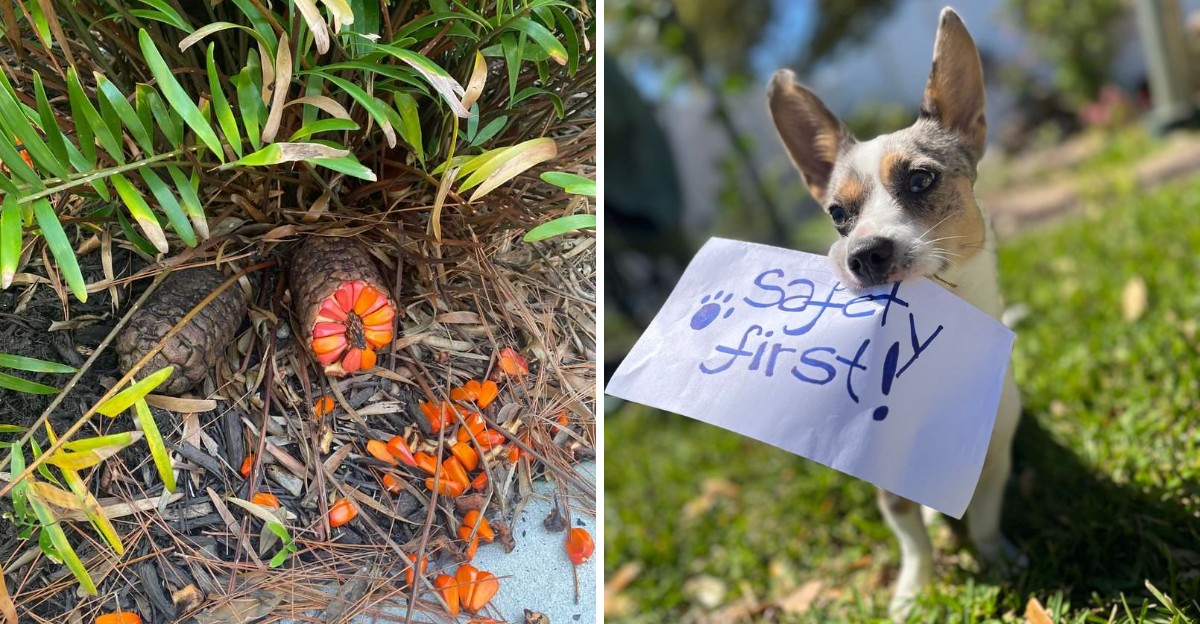
A single seed the size of a grape can send a big, healthy dog to the emergency vet. That warning comes straight from veterinary toxicology sources, and it’s startling every time you read it.
The plant behind it is a Florida native from an ancient plant family that dates back to before the dinosaurs. It shrugs off drought, salt spray, and sandy soil, butterflies depend on it, and landscapers adore it.
What makes the problem so sneaky is how ordinary it looks in the yard right now. Late fall is when certain cones split open and spill glossy orange seeds onto the mulch, and to a curious dog, they look a lot like a chew toy or a snack.
This week is a good time to take a slow walk around your garden beds. Those bright little spheres could be hiding in plain sight, and your pup may have already noticed them.
1. Those Bright Orange Coontie Seeds Are Not What They Seem
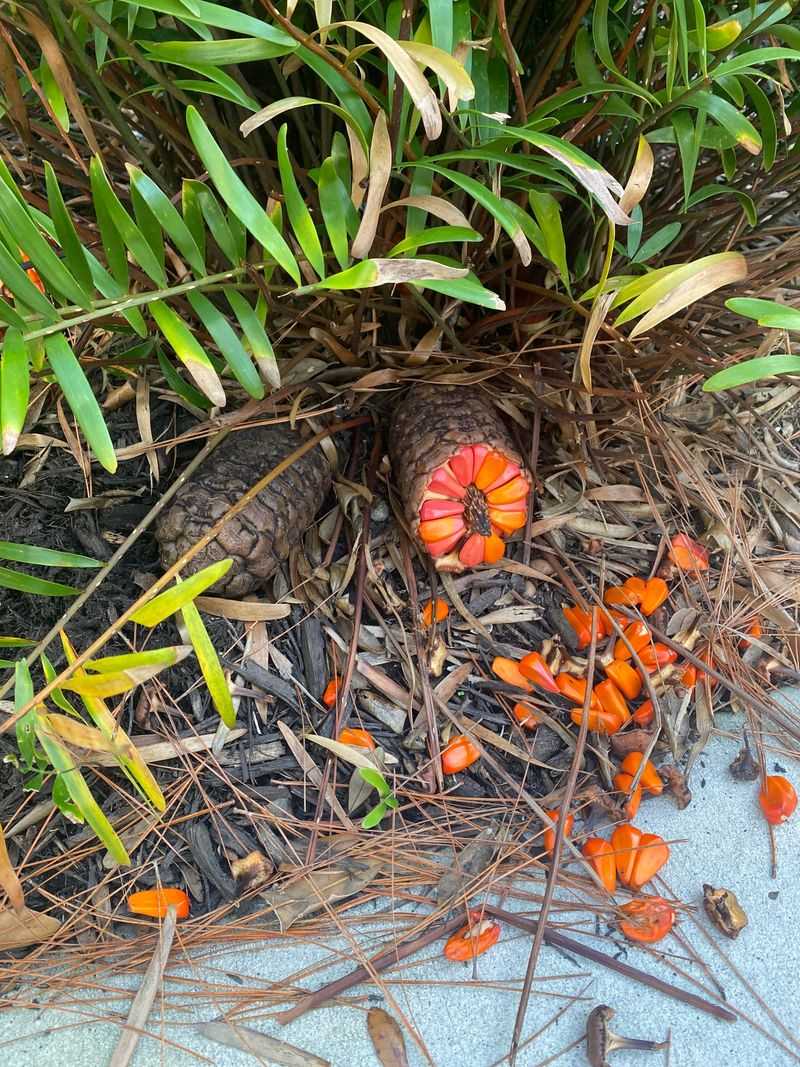
Walk past a female coontie in late fall and you might spot what looks like a cluster of orange candy tucked between the fronds. Those are seeds, packed inside a brown, fuzzy cone that has begun to crack apart.
Coontie, or Zamia integrifolia, comes in separate male and female plants. Male plants grow slim, upright cones that shed pollen and then wither.
Female plants grow chunkier, egg-shaped cones that hold dozens of seeds wrapped in a bright orange-red coat.
That fleshy coating is the part that grabs attention. It is shiny, colorful, and a bit squishy, which is exactly what a bored dog loves to investigate.
Many dogs also enjoy anything that rolls when pawed.
The catch is that every part of a coontie contains toxins, and the seeds hold the highest concentration. The ASPCA lists cycads like coontie as toxic to dogs, cats, and horses.
Veterinary sources describe the seeds as the most dangerous part.
So the main task before November wraps up is simple. Find any female cones on your plants, then remove ripe cones and loose seeds before your dog does.
The rest of this guide covers why the timing matters, how to do it safely, and what to watch for if a seed goes missing.
Fun fact: coontie is the only cycad native to the continental United States.
2. Snip Those Ripe Coontie Cones Off With Gloves On
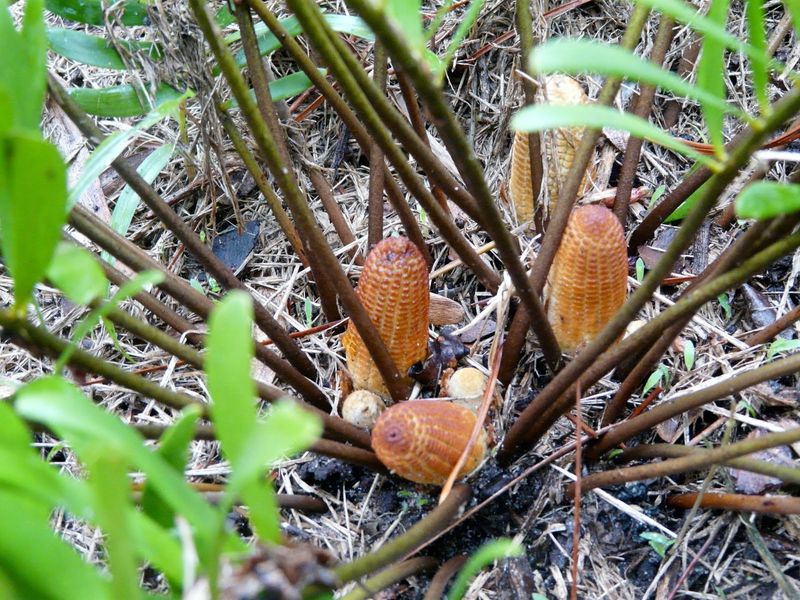
Grab your gloves and pruners, because this job takes about ten minutes per plant. I like to do it on a cool morning when the dog is safely inside.
Start by checking the center of each coontie, right at soil level. Female cones sit low and often hide under the fronds, so gently push the leaves aside.
A ripe cone looks brown and woolly, and it may already be splitting to show orange seeds.
Cut the cone off at its base with clean pruners. Drop it straight into a bucket or a sturdy bag so seeds do not scatter.
If the cone has already broken open, pick up every loose seed you can find around the plant.
Gloves matter here. The seed coat can irritate skin, and handling cycad seeds and then touching your face or food is a bad idea.
Wash your hands afterward even if you wore gloves.
For disposal, seal everything in a bag and put it in the trash, not the compost pile. Composted seeds can sprout or get dug up by pets later.
Do one more sweep a few days later. Seeds love to roll under mulch, pavers, and nearby shrubs.
A rake or a quick look with a flashlight under the fronds can turn up the stragglers you missed the first time.
3. Late Fall Is When Coontie Seed Cones Split Open
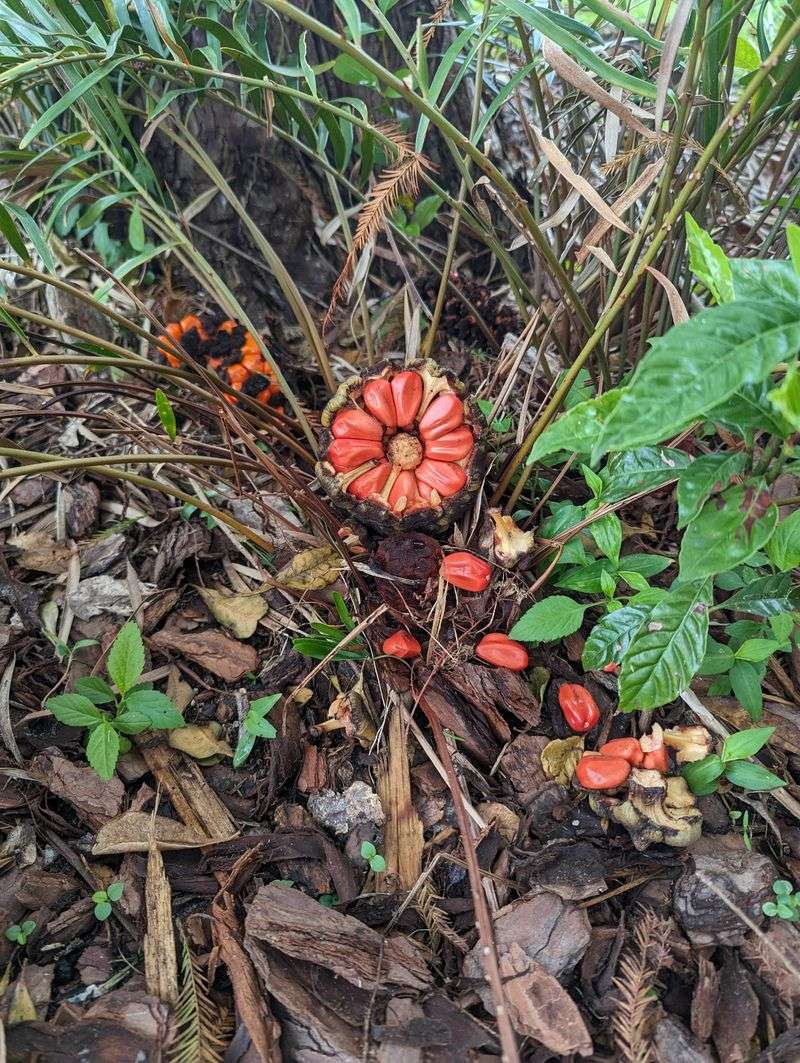
Timing is the whole secret with this plant. Coontie cones take many months to develop, and the seeds usually ripen from late summer into fall and early winter across Florida.
According to University of Florida IFAS resources, female cones mature and then break apart to release their seeds. In many yards, that breakup happens right around October through December.
That puts November squarely in the danger zone.
Once the cone splits, seeds can drop onto the ground within days. Rain, squirrels, and even your dog nosing around can spread them farther from the plant.
A seed that was hidden in a cone yesterday might be sitting in your lawn today.
There is some regional variation, too. Coontie grows from North Florida down to the Keys, and plants in warmer South Florida may run on a slightly different schedule than those near Gainesville or Jacksonville.
Individual plants also vary year to year.
That is why I suggest a check now rather than waiting for a calendar date. If your cones are still tight and green, keep an eye on them every week or two.
If they are already brown and cracking, act today.
Getting ahead of the drop is much easier than hunting dozens of scattered seeds through thick mulch later in winter.
4. Cycasin Is the Troublemaker Hiding Inside Coontie
Ever wonder why a plant that looks so friendly causes so much worry? The answer is a natural compound called cycasin, which shows up in cycads around the world, including coontie and the popular sago palm.
When a dog swallows cycasin, the body converts it into substances that harm the liver. Veterinary sources such as the ASPCA and the Pet Poison Helpline describe liver damage as the most serious concern.
Stomach upset usually shows up first.
Other compounds in cycads may affect the nervous system as well. Researchers have studied these toxins for decades, and the seeds consistently test as the most potent part of the plant.
How much is too much? Veterinary references warn that eating even one or two seeds can make a dog seriously ill.
Size, age, and health all play a role, so there is no safe amount to count on.
History offers a quirky twist. Native peoples in Florida and early settlers once made starch from coontie roots, but only after careful washing and processing to remove the toxins.
A small starch industry even thrived near Miami in the 1800s.
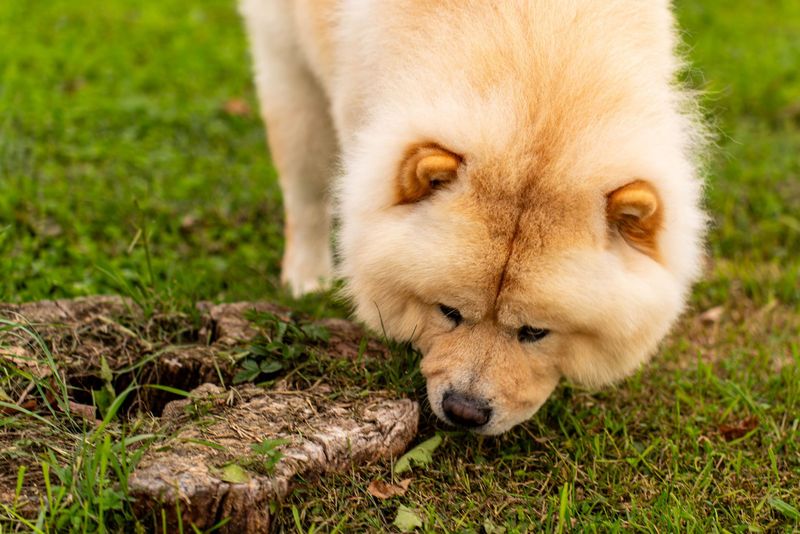
Dogs, of course, skip the processing step. They chew, swallow, and move on, which is why removing the seeds is far more reliable than hoping your pup ignores them.
5. Watch Your Dog Closely If a Coontie Seed Goes Missing
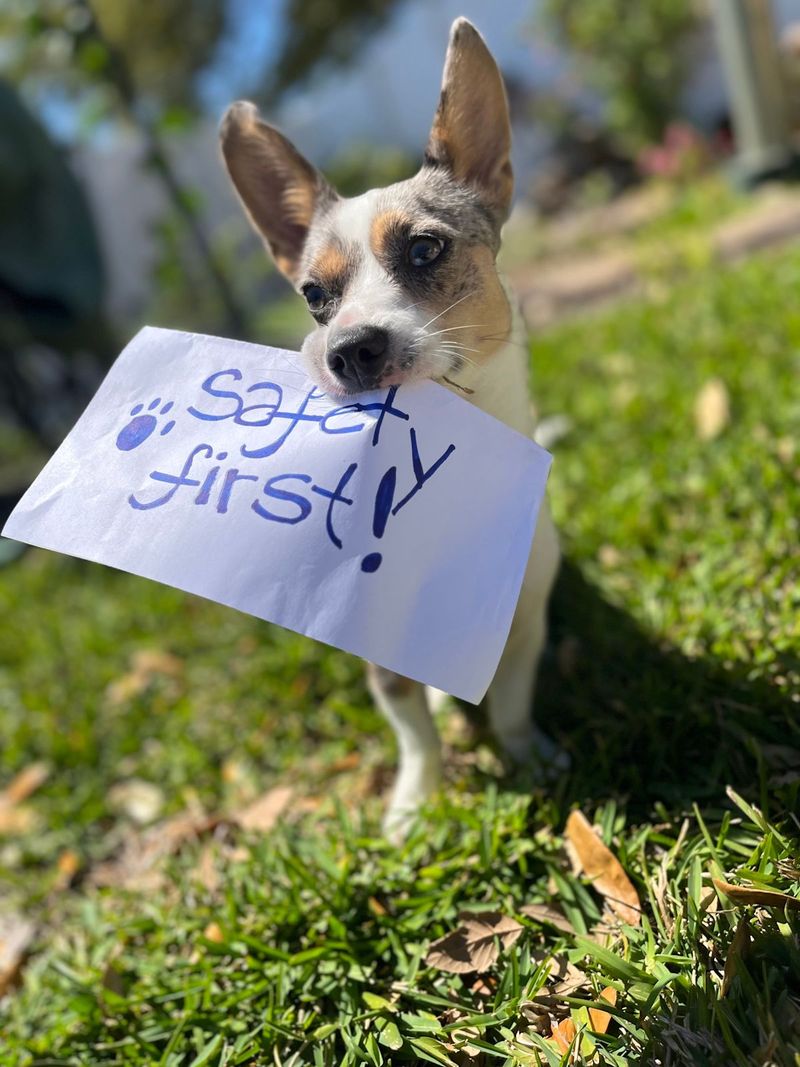
My rule is simple. If I even suspect a dog chewed a coontie seed, I call the vet first and ask questions later.
Symptoms often begin within a few hours. Vomiting and drooling are common early signs, along with diarrhea that may look dark or bloody.
Some dogs stop eating, act unusually sleepy, or seem weak.
Liver trouble can take a day or more to show up. Signs may include yellow gums or eyes, bruising, or a swollen belly.
Some dogs also show wobbling, tremors, or seizures.
Here is the tricky part. A dog might seem fine after the first round of stomach upset and then decline later.
That delay is exactly why early treatment matters so much.
Call your veterinarian or an emergency clinic right away. You can also reach the ASPCA Animal Poison Control Center at 888-426-4435 or the Pet Poison Helpline at 855-764-7661.
Both may charge a consultation fee.
Do not try to make your dog vomit at home unless a vet tells you to. Bring a sample of the seed or a photo of the plant if you can.
That helps the team confirm what they are dealing with and plan treatment, which may include bloodwork, fluids, and liver support over several days.
6. Male Coontie Plants Skip the Seed Problem
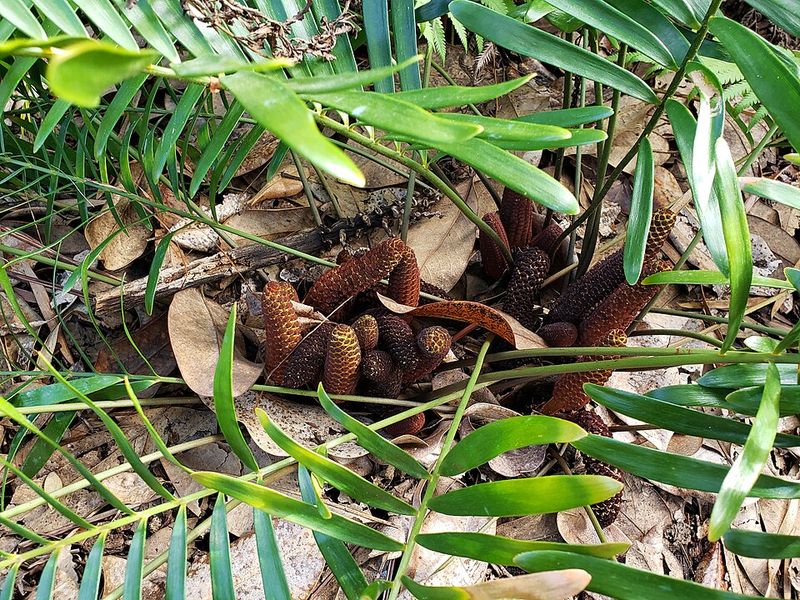
Here is a little shortcut that many gardeners do not know about. Not every coontie in your yard makes seeds.
Male plants produce narrow, upright cones that look a bit like brown candles or small pine cones standing straight up. They release pollen and then shrivel without forming any orange seeds.
Female cones are fatter, rounder, and sit lower in the plant.
Learning the difference can save you time. Once you know which plants are female, you only need to check those during seed season.
A quick tag or garden marker helps you remember next year.
Keep in mind that male plants still contain toxins in their leaves, stems, and roots. A dog that chews on fronds or digs up the roots can still get sick.
The risk is lower than with seeds, but it is not zero.
If you are adding coontie to a yard with dogs, ask your native nursery whether they know the sex of their plants. Young coontie may take a few years to cone, so nurseries cannot sort every pot.
Mature, coning plants are easier to identify.
One more tip: a female plant only makes viable seed when a male is nearby. Even unfertilized cones may still produce seeds you should remove, so treat every female cone with care.
7. Atala Butterflies Still Need Your Coontie Plants
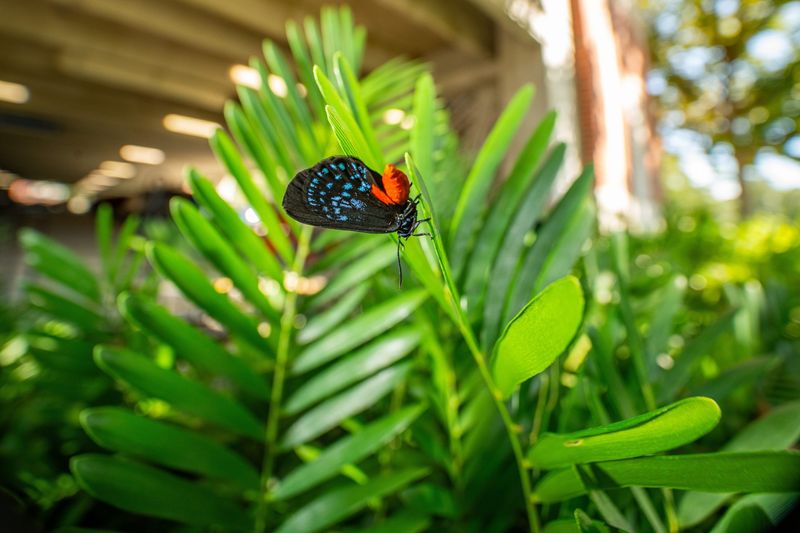
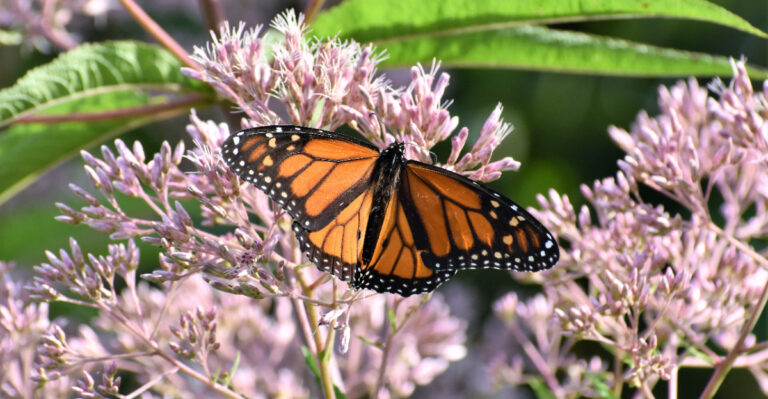
Ripping out every coontie might feel tempting, but a gorgeous little butterfly would miss you. The Atala, with its velvety black wings, flashy blue spots, and bright orange body, relies on coontie as its main host plant.
Atala caterpillars munch coontie leaves and store the plant’s toxins, which makes them taste bad to predators. Their bold red and yellow colors work as a warning sign.
It is a clever trick borrowed straight from the plant.
This butterfly was once thought to be gone from Florida. It bounced back largely because gardeners in South Florida planted coontie in yards and parks.
The Florida Fish and Wildlife Conservation Commission and local groups still celebrate that comeback.
The good news for dog owners is that Atalas need leaves, not seeds. Removing cones has no effect on the caterpillars.
You can protect your pets and keep the butterfly buffet open at the same time.
If you see chewed fronds or clusters of bright caterpillars, try to leave them alone. Coontie usually regrows healthy new leaves after a feeding round.
Fun fact: Atala caterpillars often feed in groups, and a single plant can host a small crowd. Spotting them is a sign your native garden is doing real work.
8. A Simple Fence Around Coontie Beds Keeps Curious Dogs Out
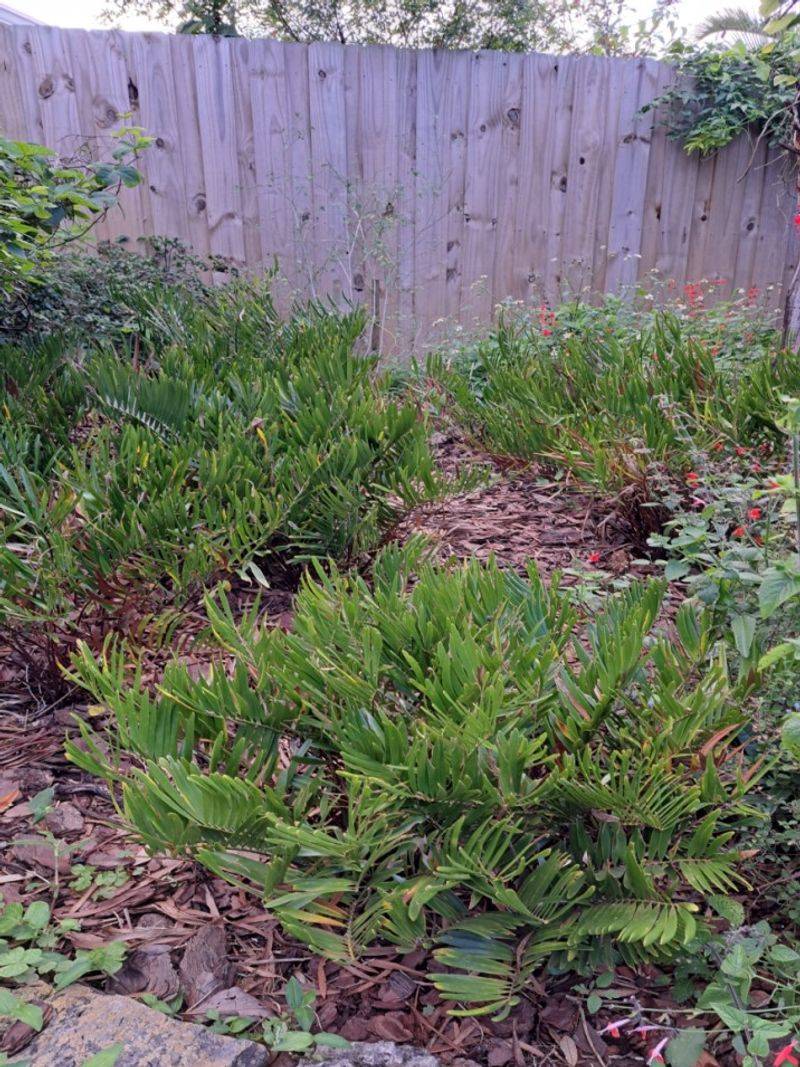
Cone removal handles the seeds, but a few small habits make your whole yard safer all year. Think of it as a little extra insurance for a nosy pup.
A low fence or border around coontie beds works wonders. Even a simple wire edging or decorative picket fence can discourage casual digging and chewing.
Pair it with a firm leave-it command and lots of praise.
Placement matters too. Coontie looks great along the front of a house or in side yards where dogs rarely roam.
Keeping it out of the main play area cuts down on temptation.
Set a calendar reminder for late summer each year. That gives you time to identify female cones before they ripen.
A second reminder in November helps you catch late bloomers.
Talk with neighbors who also have coontie. Seeds can roll under fences or get carried by squirrels, so a friendly heads-up protects every dog on the block.
Finally, save your vet’s number and a poison control line in your phone. Being ready means you can act within minutes instead of searching online in a panic.
With a short cone check, a smart border, and a bit of awareness, coontie can stay a proud part of your Florida garden alongside your four-legged crew.