Bitten by a Pygmy Rattlesnake While Pulling Weeds in Florida? Here’s What to Do
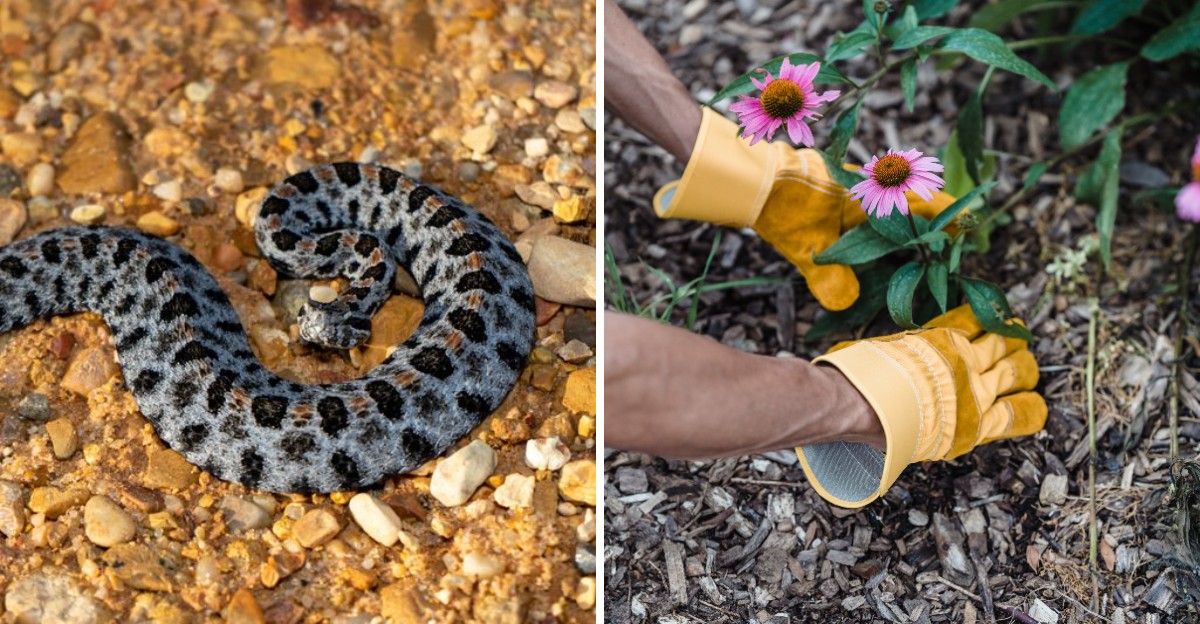
A rattlesnake rattle can be so tiny that it sounds like a grasshopper buzzing in the grass. I learned that fact years ago, and I still listen twice before I reach into a thick flower bed.
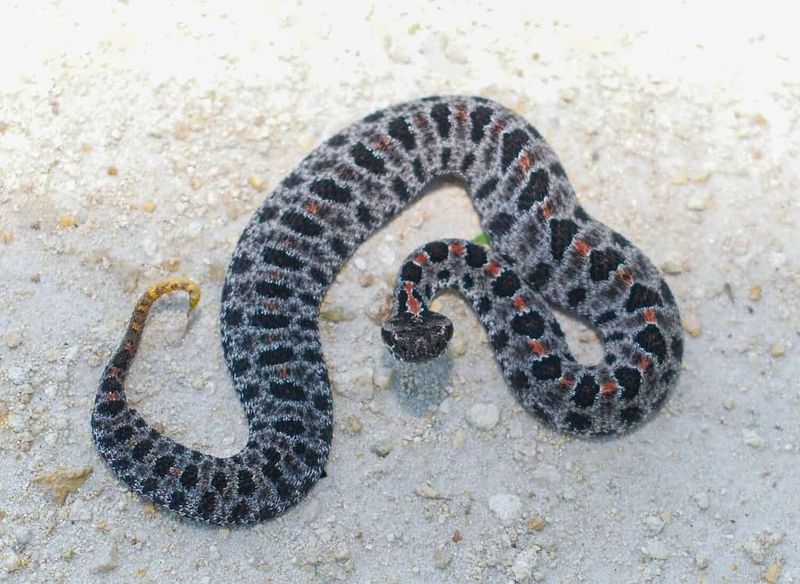
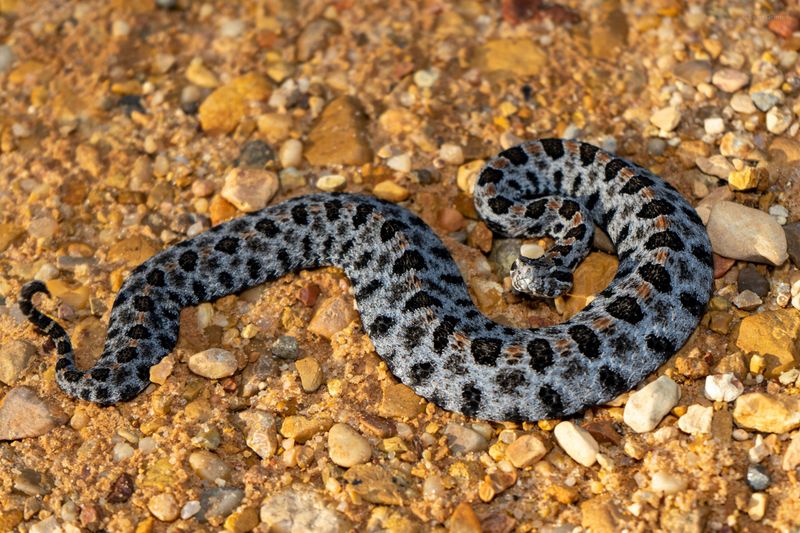
The little snake behind that sound is often shorter than a ruler and a half. Its gray body, dark blotches, and rusty back stripe blend right into mulch, pine straw, and leaf litter.
Plenty of Florida gardeners walk past one without ever knowing it was there.
Nobody loves a weed-free bed more than I do. Still, you need to know that most bites happen when a hand lands on a resting snake by accident.
Gloves, a quick glance, and a calm plan make all the difference.
Knowing exactly what to do in the first few minutes after that sharp sting can turn a scary moment into a manageable one.
That Tiny Buzzing Rattlesnake Was Probably Hiding in Plain Sight
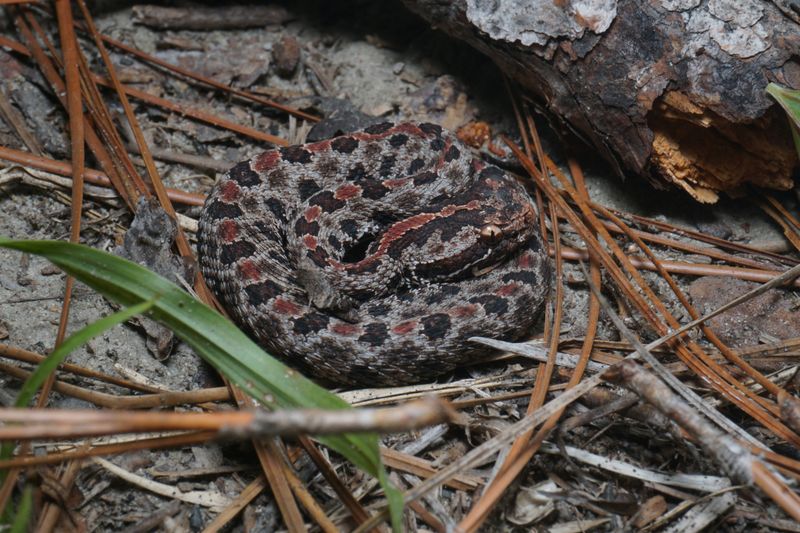
Most gardeners never hear it coming. The dusky pygmy rattlesnake has a rattle so small that its warning sounds like a faint insect buzz, and many people hear nothing at all.
Adults usually measure about 15 to 22 inches long. Look for a gray or grayish-brown body, rows of dark blotches, and a reddish or orange stripe running down the middle of the back.
University of Florida wildlife experts note that this species lives across the whole peninsula and the Panhandle, in pine flatwoods, wet prairies, and suburban yards.
In gardens, these snakes like to rest under mulch, leaf piles, ground covers, and thick weeds. That spot is exactly where your hands go when you start pulling.
A coiled pygmy can sit in one place for days, waiting for a frog, lizard, or small rodent to wander by.
They are shy, not aggressive. Their main defense is staying still and trusting their camouflage, which works almost too well.
A strike usually happens only when a hand or foot presses on one or comes very close. So if you were bitten while weeding, you likely surprised a resting snake that had no time to slip away.
Step Away From the Snake and Call 911 Right Now

Speed and calm matter most in the first minutes. Move several steps away from the snake so it cannot strike again, then call 911 or have someone nearby call for you.
Treat any rattlesnake bite as a medical emergency, even if it seems small. Pygmy rattlesnakes inject less venom than their larger cousins, but every bite still needs professional evaluation.
You can also call the Florida Poison Information Center at 1-800-222-1222 for guidance while help is on the way.
Sit down and try to stay still. Keep the bitten hand or arm relaxed and roughly at heart level, not raised high above your head.
Moving around a lot can make you feel worse and adds stress you do not need.
Slip off rings, bracelets, and watches before swelling begins. Fingers can puff up quickly, and a tight ring may need to be cut off later if you wait.
Loosen tight sleeves or gloves too.
If you can, note the time of the bite. Doctors find that detail helpful when they track how symptoms change.
Driving yourself is a poor idea, since pain and dizziness can come on fast. Let an ambulance or a friend handle the trip.
Skip the Tourniquet, Ice, and Old Snakebite Kit Tricks
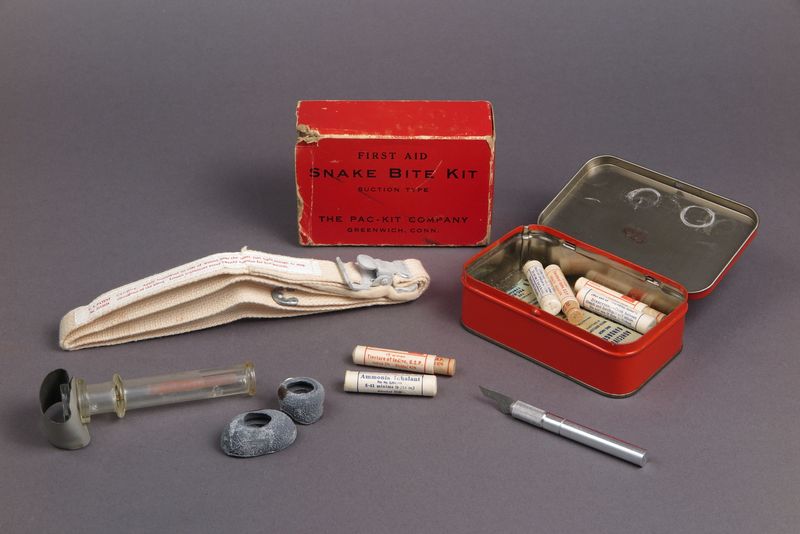
Old western movies taught us a lot of bad first aid. Cutting the wound, sucking out venom, and tying a tight band around the arm can all cause more harm than help.
Medical groups like the Mayo Clinic and the CDC agree on this list of things to avoid. Do not use a tourniquet, which can trap venom in one spot and damage tissue.
Ice packs are also a no, because cold can add injury to skin that venom is already irritating.
Suction devices sold in camping kits remove very little venom, studies show. Cutting the bite opens the door to infection and bleeding.
Electric shock remedies, still floating around online, have no medical support.
Skip pain pills like aspirin or ibuprofen unless a doctor approves them, since they may affect bleeding. Coffee and other caffeine drinks can speed up your heart rate, so plain water in small sips is a better choice if you are thirsty.
Honestly, the hardest part is doing less. Your job is to stay calm, keep the limb still, and get to a hospital.
Gently washing the area with soap and water is fine. Then cover it loosely with a clean, dry bandage.
Swollen Fingers and Bruising Are What Doctors Watch For
Expect pain first, and lots of it. Many people describe a pygmy rattlesnake bite as a burning, throbbing sting that spreads fast through the fingers or hand.
Swelling often follows within minutes to hours. Bruising, blistering, and color changes around the bite are common too.
Some people feel nauseated, sweaty, or lightheaded, though serious whole-body reactions are uncommon in healthy adults.
Bites can be harder on young children, older adults, and anyone with heart issues or other health conditions. That is one reason every bite deserves a hospital visit, even when the first few minutes feel manageable.
At the hospital, doctors will mark the edge of the swelling with a pen and check it over time. They also run blood tests, because rattlesnake venom can affect how your blood clots.
Based on those results, they decide whether you need antivenom.
Antivenom works best when given early, so prompt arrival really pays off. Many patients stay several hours or overnight for observation.
Recovery can take days or a few weeks. Your hand may stay stiff or sore for a while.
Follow-up visits help make sure the swelling and any skin damage heal properly.
Is That Little Gray Snake a Pygmy Rattler or a Harmless Look-Alike?
Plenty of harmless snakes get mistaken for pygmies. Eastern hognose snakes, young rat snakes, and some water snakes all have blotchy patterns that can fool a nervous eye.
A few clues help. Pygmy rattlesnakes have a thick body for their size, a wide triangular head, and vertical cat-like pupils.
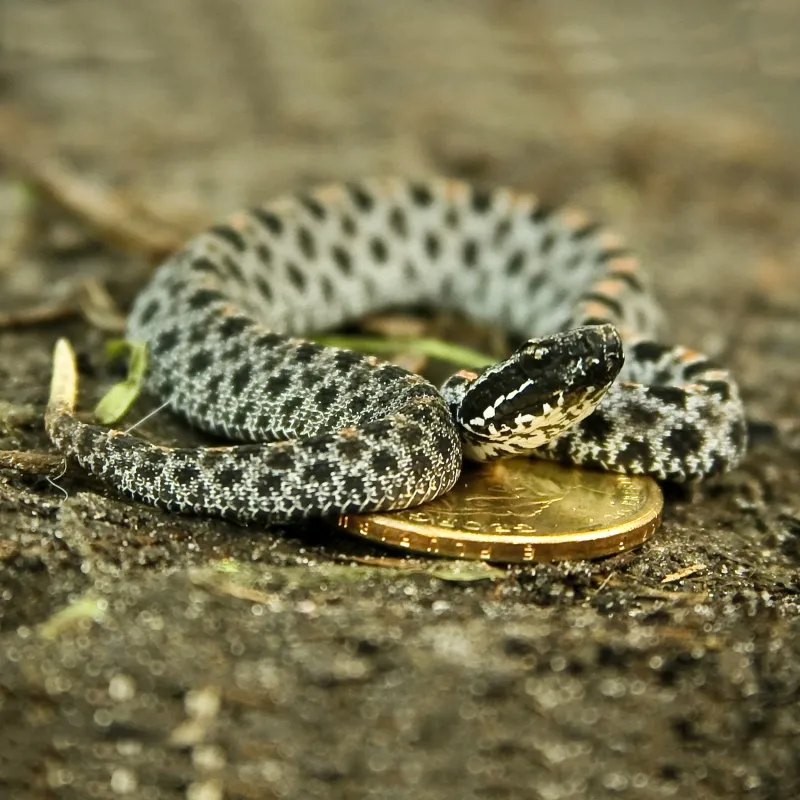
Look at the tail tip for a tiny rattle, often no bigger than a grain of rice in young snakes.
Babies have a fun trick. Their tail tip is bright yellow, and they wiggle it like a caterpillar to lure frogs and lizards close.
Scientists call that behavior caudal luring.
Hognose snakes, by contrast, have an upturned snout and round pupils. They often flatten their necks and hiss, then play possum if pestered.
Rat snakes are slimmer and much longer as adults.
Do not try to catch, pin, or photograph a snake up close after a bite. A quick look from several feet away, or a phone picture from a safe distance, is plenty.
Doctors mostly treat the symptoms, not the snake name. Your safety is worth far more than a perfect ID.
Leather Gloves and a Garden Rake Make Weeding Safer
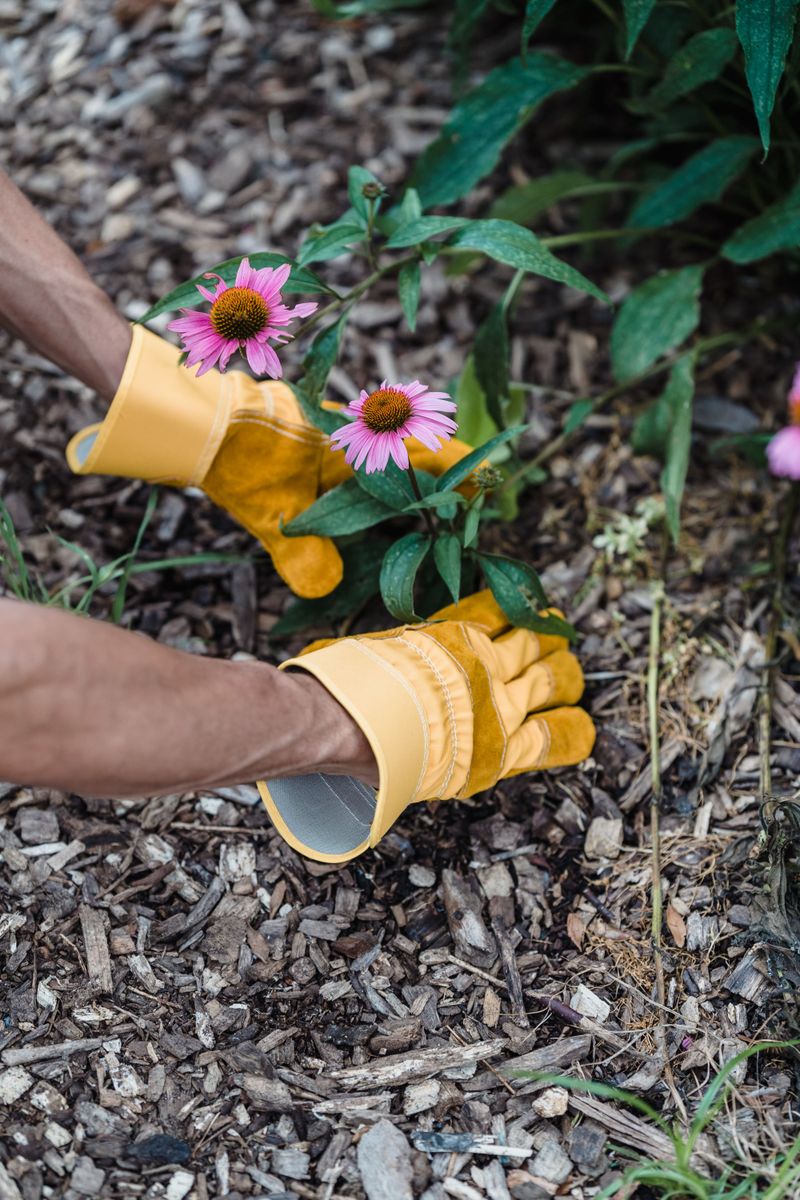
My favorite snake safety tool costs about fifteen dollars. A pair of thick leather gloves will not stop every fang, but they add a helpful barrier between your skin and a surprise strike.
Pair those gloves with closed boots and long pants, especially in dense beds and along fence lines. Pygmy rattlesnakes are active much of the year in Florida, with busy periods in late summer and fall when babies are born.
Warm days after rain can also bring them out.
Use a hand rake or hoe to pull back mulch and leaf litter before you reach in. Rustling the area gives any resting snake a chance to slide off.
Look first, then grab.
Weed in good daylight rather than at dusk, when snakes hunt more often. Tackle overgrown areas a little at a time instead of plunging in with both arms.
Keep your phone in your pocket, not on the porch. If something goes wrong, you want help one call away.
Teach kids to look before reaching into plants too. A simple family rule, like no bare hands in thick ground cover, goes a long way.
A Tidier Yard Gives Rattlesnakes Fewer Places to Nap
Snakes stay where food and shelter are easy to find. Cut back on both, and your yard becomes a lot less inviting.
Start by clearing brush piles, stacked boards, and old pots that sit on the ground. Keep grass mowed and trim shrubs so the lowest branches sit a few inches above the soil.
Thinner mulch layers near walkways also help you spot visitors.
Food matters too. Pygmy rattlesnakes eat frogs, lizards, small rodents, and even centipedes.
Store birdseed and pet food in sealed bins, and fix leaky spigots that attract frogs.
UF experts note that store-bought snake repellents have little proof they work. Your time and money go further on cleanup and sealing gaps under sheds and steps.
If a pygmy keeps showing up near a door or play area, call a licensed wildlife removal company. Florida law lets property owners remove nuisance snakes, but handling a venomous one yourself is a big risk.
These snakes do help gardens by eating pests. With a little space and smart habits, you can keep weeding with confidence and leave the snake to its job somewhere else.