Who’s Responsible When a Neighbor’s Wildlife Feeding Brings Rats Into Your Ohio Yard?
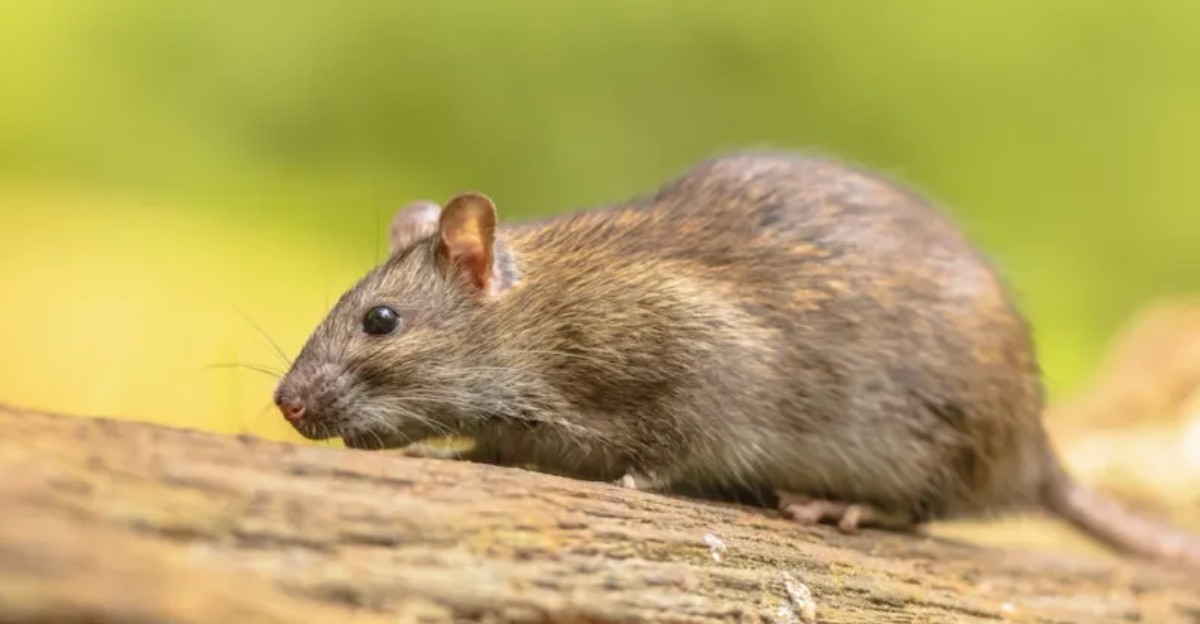
A single rat can squeeze through a gap only about half an inch wide. That tiny fact changed how I look at the seed piles under feeders.
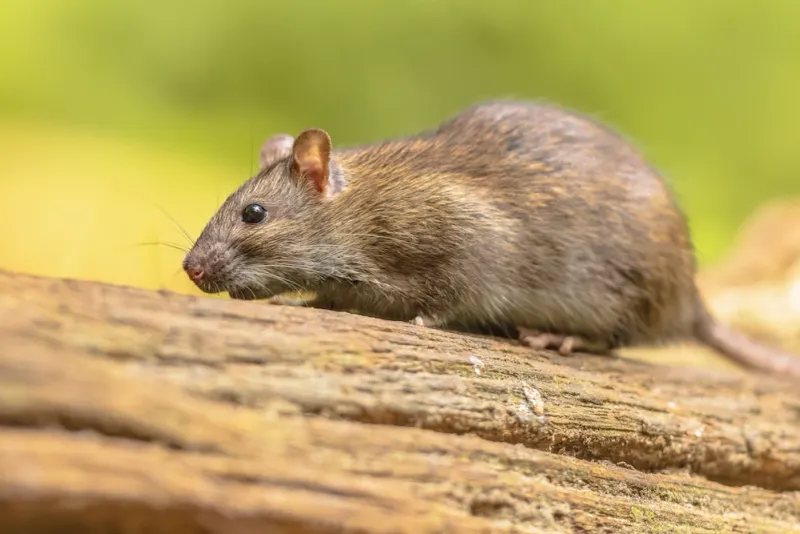
Norway rats are not picky eaters. Cracked corn, sunflower hulls, and stale bread tossed for squirrels all look like a buffet to them.
They mostly feed at night, so the first clue is often a chewed tomato or a fresh burrow by your shed.
I love birds as much as anyone, and I believe most backyard feeders mean well.
Still, I can’t imagine a worse feeling than watching a furry tail slip under your raised beds after dark. Here in Ohio, that moment raises a real question about fences, fairness, and who should fix it.
So when the snacks start next door and the visitors end up in your garden, who actually owns the problem?
1. That Overflowing Bird Feeder Next Door Has a Legal Name
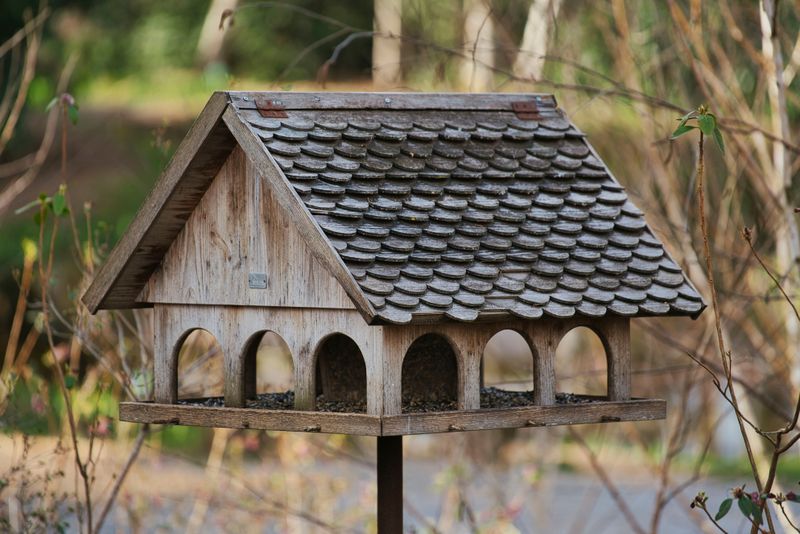
Seed spilling over a feeder tray looks harmless enough. Pile up enough of it, though, and the law may start calling it something else.
Ohio courts and cities use the word nuisance for a condition that unreasonably interferes with your use and enjoyment of your property. Steady food left outdoors that draws rats across the fence line can fit that idea, especially when it creates a health risk.
The key word is unreasonable, so one tidy feeder rarely qualifies, while heaps of corn and bread on the ground often raise eyebrows.
Responsibility usually lands on the person creating the condition. In plain terms, your neighbor is responsible for their own food piles, and you are responsible for conditions on your side.
Both parts matter.
A private nuisance claim in civil court is possible, but it is slow and costly. Most people get faster results through city code or the local health department.
A lawyer can tell you whether your situation is strong enough for court.
Personally, I find it helpful to know the label before any conversation starts. It turns a vague complaint into a clear, fair concern you can explain calmly.
2. Many Ohio Cities Already Limit Outdoor Animal Feeding
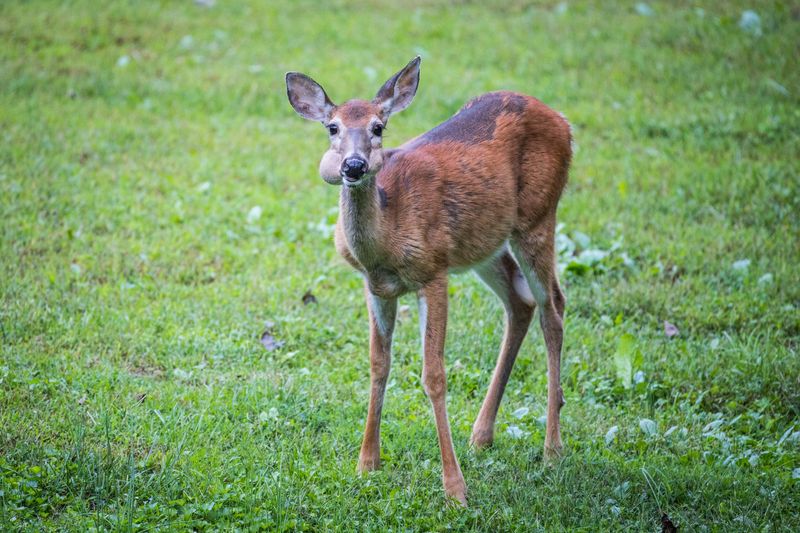
Plenty of Ohio towns have already written this problem into their rulebooks. That makes your job much easier.
Several cities, including places like Clyde and Willoughby, have ordinances that restrict feeding wild or stray animals outdoors. Many of these rules focus on food placed on the ground, food left out overnight, or feeding that attracts rodents.
Bird feeders are often allowed if they sit off the ground and stay reasonably clean.
Rules vary a lot from town to town. A village in Hocking County may handle things very differently from a Cleveland suburb, so you need to check your own code.
Finding it is simpler than you may expect. Search your city name plus codified ordinances, or look up your municipal code online through the city website.
Keywords like animal feeding, rodent harborage, and nuisance usually bring up the right sections.
Print or screenshot the exact wording. When a rule clearly bans ground feeding that attracts rats, the question of who is responsible gets a written answer.
It also gives you something neutral to share with your neighbor, so the message comes from the city instead of from you.
3. Norway Rats Aren’t Treated Like Deer or Raccoons
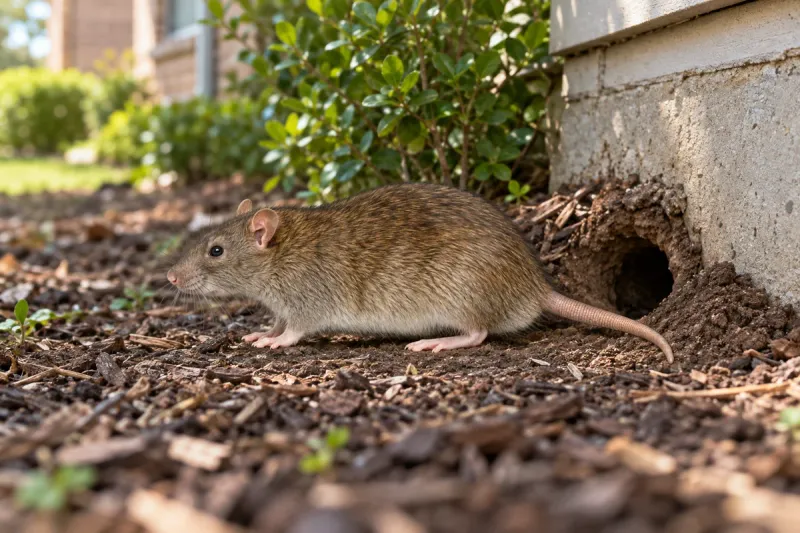
Here is a twist that surprised me. Raccoons, deer, and opossums fall under the Ohio Division of Wildlife, but Norway rats and house mice are a different story.
These rodents live closely alongside people, so experts call them commensal rodents. They are not managed as protected wildlife the way game animals are.
Pest control for them is regulated through the Ohio Department of Agriculture, which licenses commercial pesticide applicators.
Why should you care? The agency you call depends on the animal.
If a neighbor’s feeding pulls in raccoons that tear up your lawn, wildlife rules and nuisance trapper permits come into play. If it pulls in rats, your local health department or code office is usually the right door to knock on.
That difference also affects what you can do on your own property. You generally may control rats in your yard, as long as any product follows its label.
Trapping or relocating wildlife like raccoons has stricter rules.
A quick tip: sketch out which critters you actually see. A trail camera can settle the question fast, and it keeps you from calling the wrong office first.
4. Rat Droppings and Gnawed Hoses Are Worth Documenting
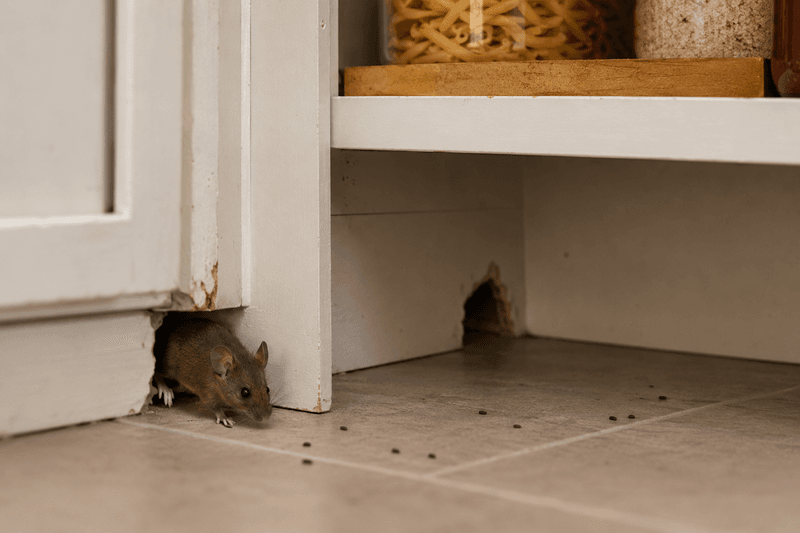
Proof beats frustration every time. Before you talk to anyone, start a simple record of what is happening.
Look for classic rat signs. Norway rats dig burrows about two to four inches wide, often under sheds, decks, or compost bins.
Their droppings are dark, capsule shaped, and roughly three quarters of an inch long. You may also see greasy rub marks along fences and gnaw marks on hoses or wooden bed frames.
Write down dates, times, and where the activity seems to start. Take photos from your side of the property line, including any visible food piles near the fence.
Never step onto a neighbor’s land to gather evidence.
These details matter for health reasons too. Rats can carry diseases like leptospirosis and salmonella, spread through urine and droppings.
Wear gloves when you handle anything contaminated, and wash vegetables from affected beds well.
A notebook or phone album might feel like too much at first. However, health departments respond better to clear patterns than to one angry phone call.
A week or two of notes can turn a he said, she said situation into something an inspector can act on.
5. A Calm Chat at the Fence Often Fixes the Feeder Problem
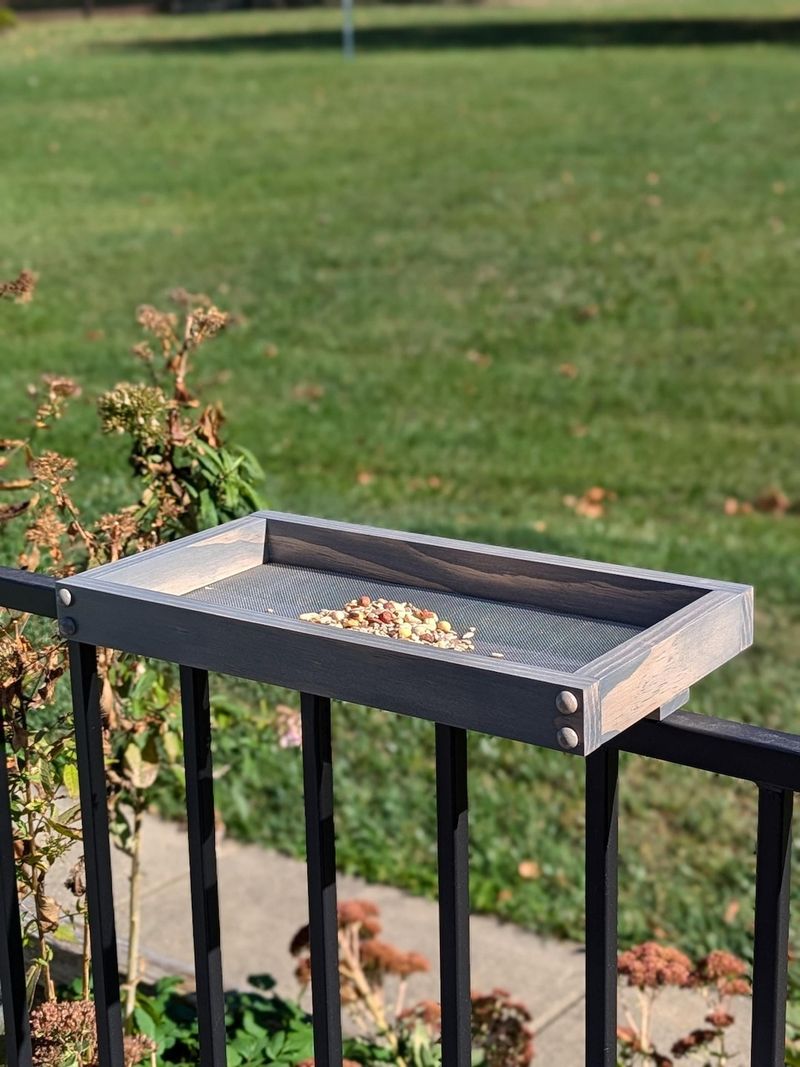
Most folks who feed birds simply love birds. In my experience, few of them have any idea rats are joining the party.
Start friendly. Mention what you have seen, share a photo or two, and keep the focus on the rats rather than on their habits.
Saying I have noticed rats near our fence lands much softer than you are causing a problem.
Offer easy fixes instead of demands. Suggestions might include:
Using a seed tray or catcher under the feeder. Switching to hulled seed so less mess hits the ground.
Bringing feeders in at night. Raking up spilled seed every few days.
Skipping bread and corn tossed on the lawn.
The Ohio Department of Natural Resources encourages keeping feeding areas clean, so you can point to that advice as a shared guideline. It feels less personal when the tips come from experts.
Give it a few weeks. Rats will not vanish overnight, but fewer free meals usually means fewer visitors.
A kind first step also protects the relationship, which matters when you share a fence for years.
6. Your Local Health Department Can Step In When Talking Fails
Sometimes kindness hits a wall. When that happens, you have official options.
Across Ohio, county and city health departments handle rodent complaints, and many cities also send code enforcement officers for nuisance conditions. Cuyahoga County Board of Health, for example, investigates rat concerns and can inspect properties.
Inspectors may issue notices requiring a neighbor to remove food sources or clean up harborage like junk piles.
Call or file online with the details you gathered. Include dates, photos, the location of food piles, and notes about your earlier conversation.
Some offices will not take anonymous complaints, so ask about privacy before you file.
Expect a process, not instant magic. An inspector usually visits, documents conditions, and gives the owner time to correct them.
Repeat problems can lead to fines in some cities.
Keep in mind the inspector may look at your yard too. Open compost, pet food, or overflowing trash on your side can weaken your case.
Tidying up first shows you are doing your part.
Honestly, filing a complaint can feel uncomfortable. Still, rodent problems spread from yard to yard, and an official nudge often protects the whole block.
7. Tight Trash Lids and Tidy Compost Make Your Garden Less Tempting
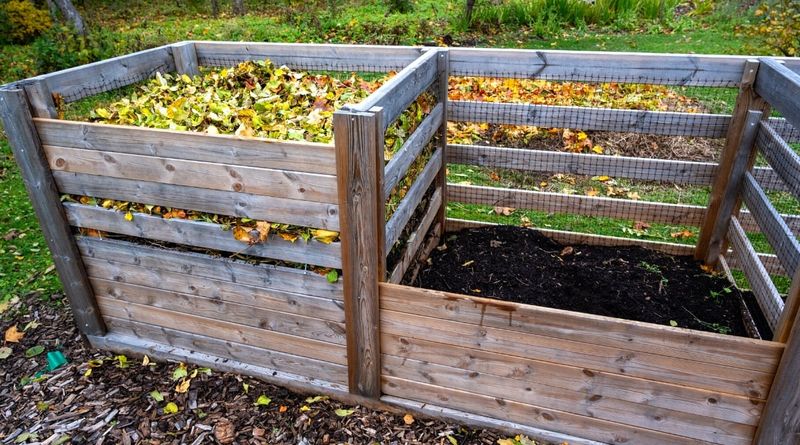
Rats that wander over from next door are looking for three things. Food, water, and shelter top the list, and your yard can offer less of all three.
Lock down trash in sturdy cans with tight lids. Feed pets indoors, or pick up bowls right after meals.
Store birdseed and grass seed in metal containers, since rats chew through plastic bags in minutes.
Compost deserves extra attention. Skip meat, dairy, and oily scraps, and use an enclosed bin with a solid bottom or hardware cloth underneath.
Turning the pile regularly also discourages nesting.
Pick up fallen fruit and ripe veggies promptly in late summer and fall. A forgotten zucchini is basically a rat welcome mat.
Shelter matters too. Stack firewood at least 18 inches off the ground and away from your house.
Trim dense groundcover along fences, and clear clutter behind sheds where burrows love to hide.
If you use traps, choose snap traps inside covered stations to protect pets and songbirds. For heavy activity, a licensed Ohio pest control pro can help safely.
Your neighbor’s habits matter, but a less inviting garden does a surprising amount of the work.
8. Sealing Gaps Around Your Foundation Keeps Rats Out for Good
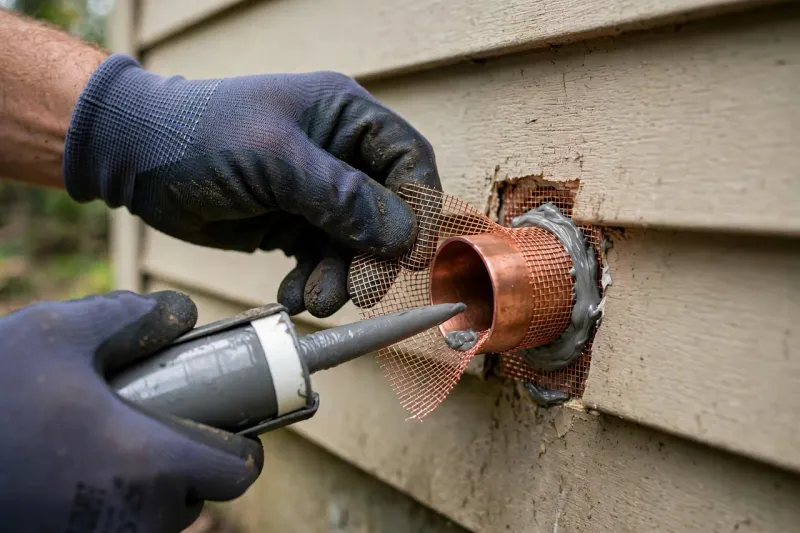
A yard visit is annoying. A rat in your basement is a whole different headache, so your final line of defense is the house itself.
Walk around your home slowly, ideally with a flashlight. Check where pipes, cables, and dryer vents enter the walls, along with garage door seals, crawlspace vents, and cracks in the foundation.
Rats can slip through openings around half an inch wide.
Seal gaps with materials rats struggle to chew. Steel wool packed with caulk, quarter inch hardware cloth, sheet metal, and concrete patch all work well.
Expanding foam alone is a snack, not a barrier.
Fall is a smart time for this job in Ohio. As nights cool, rodents look for warm spots, and that timing lines up with when many gardeners clean up beds anyway.
Fix rotted fascia boards and loose siding too. Keep shrubs trimmed back from walls so rats have fewer hidden routes.
Here is my takeaway. Your neighbor is responsible for the food they put out, and you are responsible for your own yard and home.
Working on both sides, with patience and good records, usually brings peace back to your garden.