The One Clue A Coyote Left In Your Michigan Yard Without You Ever Noticing
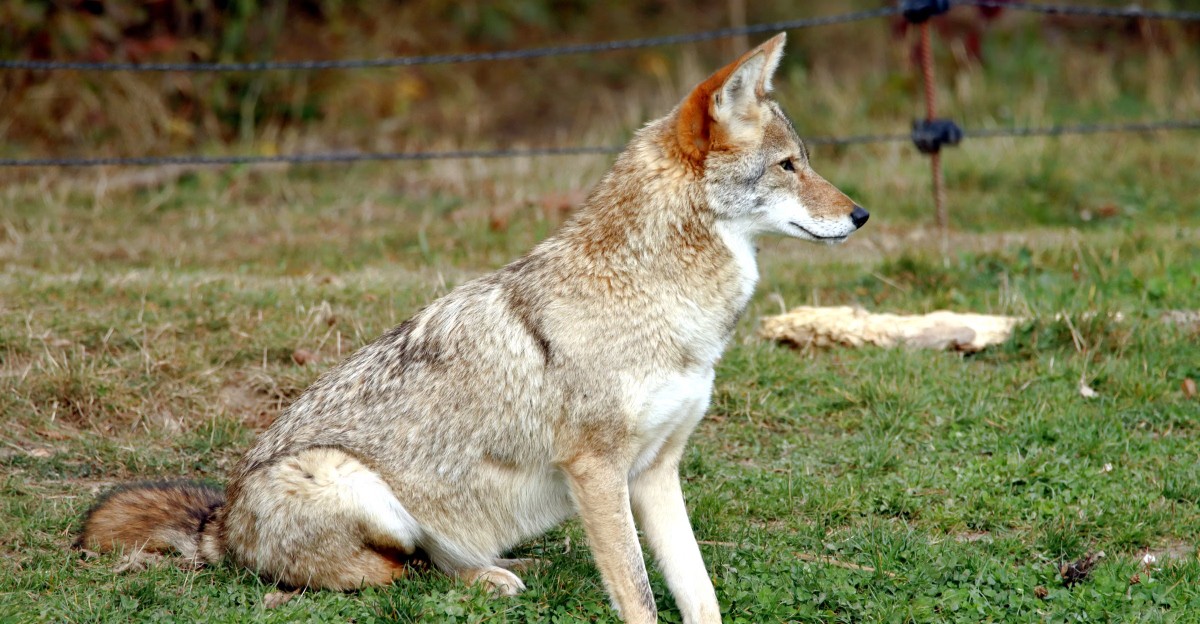
Some of the most talkative animals in your neighborhood never make a sound. They leave notes instead, placed right where you are bound to step on your morning walk to the tomatoes.
I used to blame the neighbor’s beagle for every odd pile along my garden path. Then I looked closer, poked with a stick, and spotted tufts of fur and tiny bits of bone. No pampered pet eats a menu like that.
Wildlife biologists say this wild visitor now lives in every county in Michigan, from farm fields to busy suburbs. Most of them pass through yards at night and slip away long before the porch light clicks on.
The clue they leave behind is small, smelly, and surprisingly easy to read once you know the signs. It has likely been quietly decorating your garden path all this time, waiting for someone to take a closer look.
That Odd Pile On Your Garden Path Is A Wild Canine Message
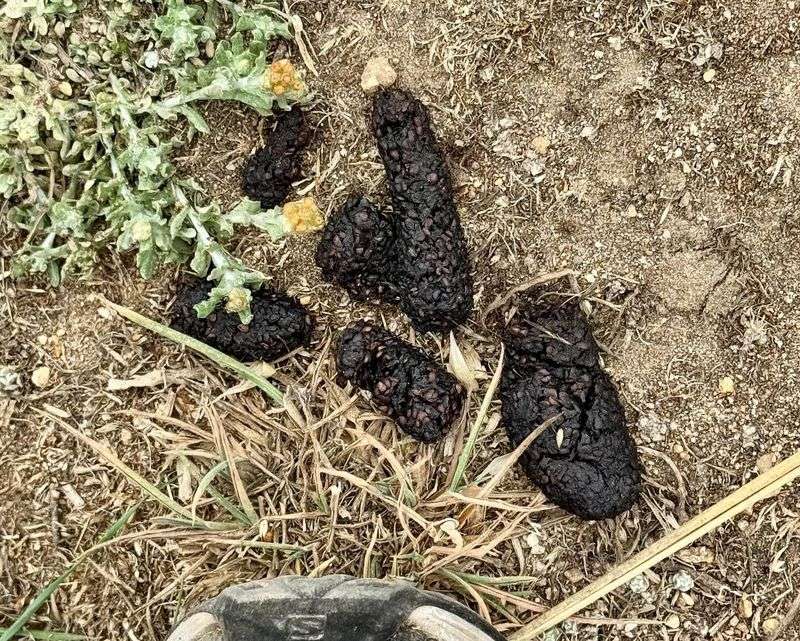
Guilty as charged, I spent two summers grumbling about careless dog owners. The real culprit was a coyote, and the evidence sat right in the middle of my stone walkway.
Coyote droppings, called scat, are one of the most common signs these animals leave in suburban yards. Most people see them, wrinkle their nose, and move on without a second thought. That quick glance is exactly why the clue goes unnoticed for so long.
Coyotes are mostly active from dusk to dawn, which means you are usually asleep when they cruise through. They follow fence lines, drainage ditches, and quiet backyard edges like little highways. By morning, the only proof of the visit is that small pile near your flower bed.
The Michigan Department of Natural Resources reports that coyotes live statewide, including cities like Detroit and Grand Rapids. So the odds that one has wandered past your raised beds are better than you might expect.
Once you learn a few simple features, that pile stops being gross and starts being useful. It tells you who visited, what they ate, and sometimes how often they come around. Pretty impressive for something most of us scrape off a shoe.
Coyote Scat Twists Like Rope And Tapers To A Point
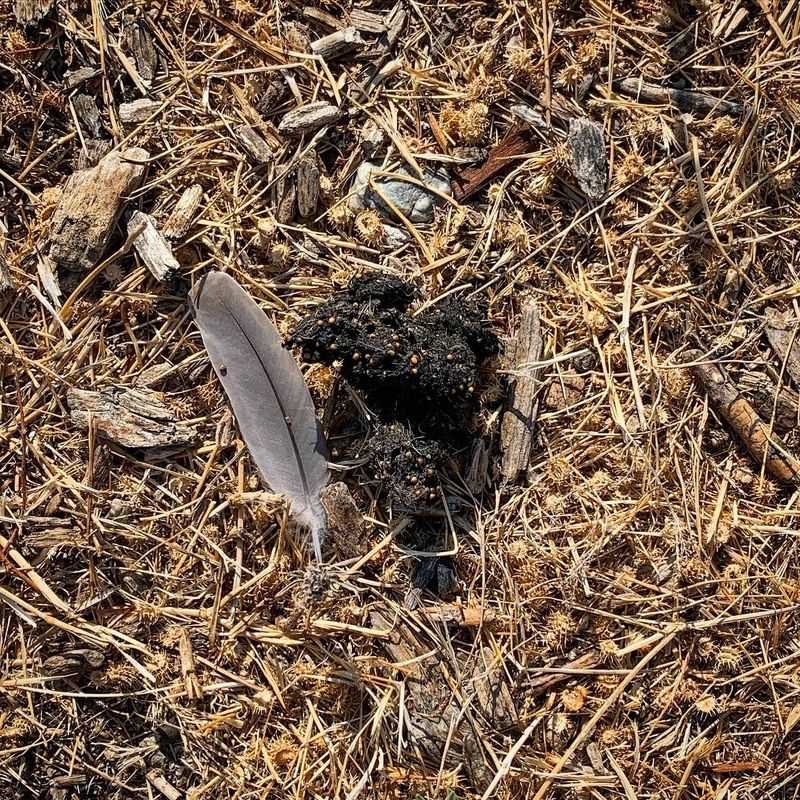
Shape is the giveaway, plain and simple. Dog poop usually looks smooth and blunt on the ends, like a little sausage. Coyote scat looks wrung out, almost like a twisted rope.
Look at the tips. Coyote droppings often taper to a thin point at one or both ends, thanks to the fur and fibers packed inside. Those tough materials pull the scat into a stringy, segmented form as it passes.
Size helps too. Most coyote scat runs roughly 3 to 8 inches long and about three quarters of an inch to just over an inch wide. A large dog can match that, so size alone is not enough to settle the case.
Color shifts with the seasons and the menu. Fresh scat is usually dark brown or nearly black, then fades to gray or white as it dries and the fur shows through.
Here is my quick backyard checklist. Twisted texture, pointed ends, and a dry, hairy look add up to a strong coyote suspect. Smooth, mushy, and uniform usually points to a neighborhood dog that ate kibble for breakfast. Snap a photo before rain or mowing erases the details.
Fur, Bones, And Berry Seeds Reveal A Coyote Menu
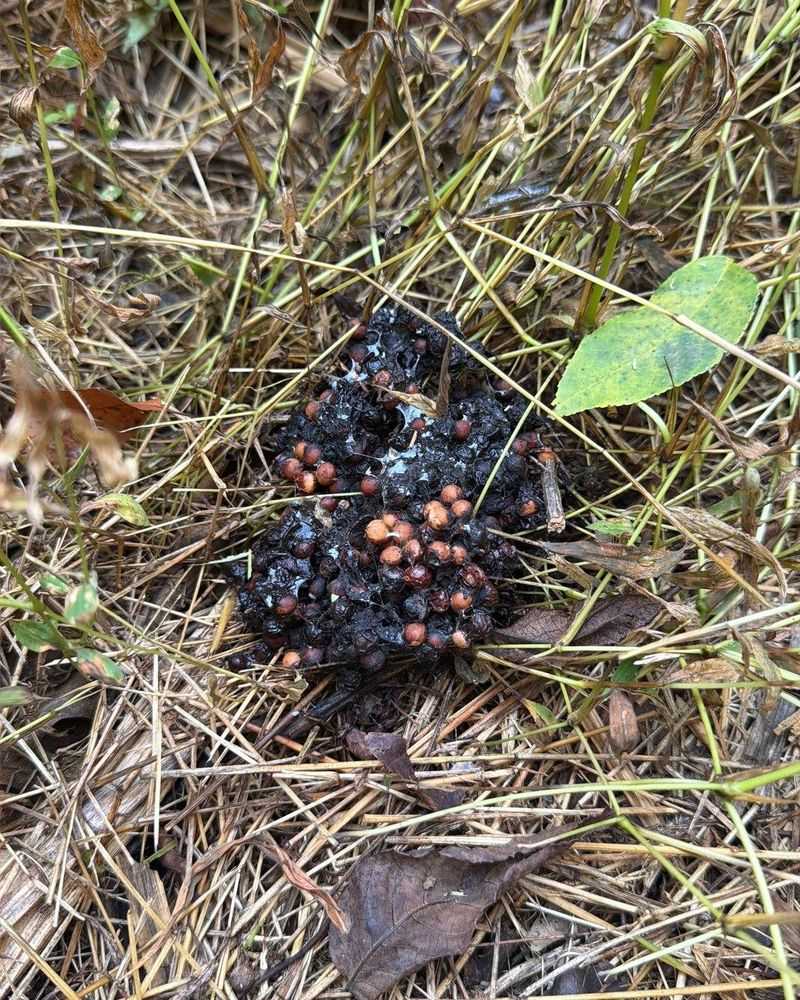
Grab a stick, not your fingers, and you can read a coyote’s dinner like a receipt. The contents are the strongest proof of who left the pile.
Coyotes are opportunistic omnivores. In Michigan, they eat lots of mice, voles, and rabbits, plus insects, carrion, and plenty of fruit. All that variety shows up in their droppings as fur, tiny bones, teeth, and seeds.
Winter scat tends to be packed with hair and bone chips because rodents and rabbits make up much of the diet. Late summer and fall scat often looks lighter and lumpier, filled with berry skins, apple bits, or wild grape seeds. Some piles are so full of seeds they look like trail mix.
Dog waste, by comparison, is usually even in texture with no hair or bones, since most pets eat processed food. That contrast makes identification much easier.
A quick safety note matters here. Wildlife scat can carry parasites, including roundworms and tapeworm eggs, so wear gloves and wash your hands afterward. Scoop the pile with a shovel into a bag for the trash, and keep curious kids and pets away while you work.
Coyotes Leave Droppings On Rocks And Trail Crossings On Purpose
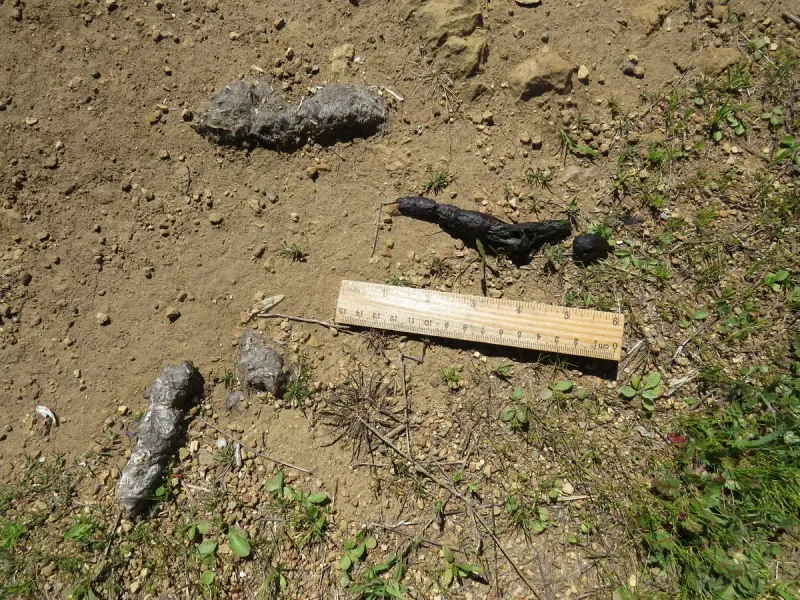
Funny thing is, coyotes are not shy about where they go. They often pick the most visible spot available, like the middle of a path or the top of a flat rock.
Biologists call this scent marking. Scat and urine carry chemical signals that tell other coyotes who passed by, how recently, and whose territory this is. A pile on a raised stone works like a billboard on a busy road.
Trail crossings, garden path junctions, and gaps in fences are favorite posting spots. If you keep finding scat in the same place, you may be sitting right on a coyote travel route or a territory edge.
Coyote families hold territories that can stretch a few square miles, depending on food and habitat. Your yard might be one small stop on a nightly loop through the neighborhood.
Repeat sightings are useful information, not cause for panic. Note the location and how often fresh piles appear. That simple record helps you figure out which areas need better fencing, tidier brush piles, or brighter motion lights. It also makes a great conversation starter with neighbors who may have spotted the same clue.
Narrow Oval Coyote Tracks Back Up The Evidence
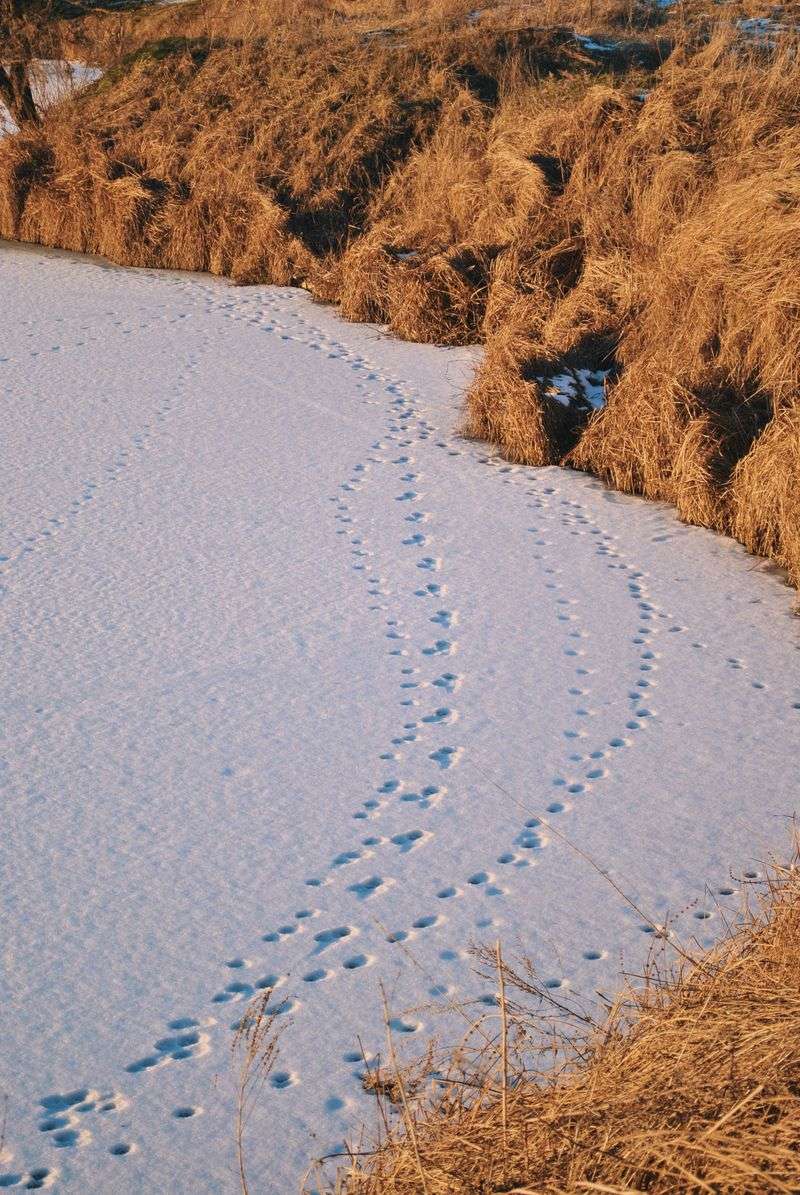
Fresh snow or soft garden soil can confirm your suspicions in seconds. Coyote prints have their own personality, and they look different from most dog tracks.
A coyote print is oval and narrow, usually around 2.5 inches long. The toes sit close together, and often only the two front claws show clearly. Draw an X between the pads, and it usually passes cleanly through the open space, which is a classic field guide trick.
Dog prints tend to be rounder and splayed, with claw marks on all four toes. Pets also wander, sniff, and zigzag all over the lawn.
Coyotes move with purpose. Their tracks often form a neat, nearly straight line, with back feet landing in or near the front prints to save energy. That tidy pattern is something you rarely see from a playful family dog.
Michigan winters offer the best tracking conditions, especially the morning after a light snowfall. Muddy spring garden beds work nicely too. Take a photo with a coin for scale, and you will have a solid record to compare against tracking guides or share with a local nature center.
Bird Feeders, Fallen Fruit, And Trash Cans Invite Coyotes In
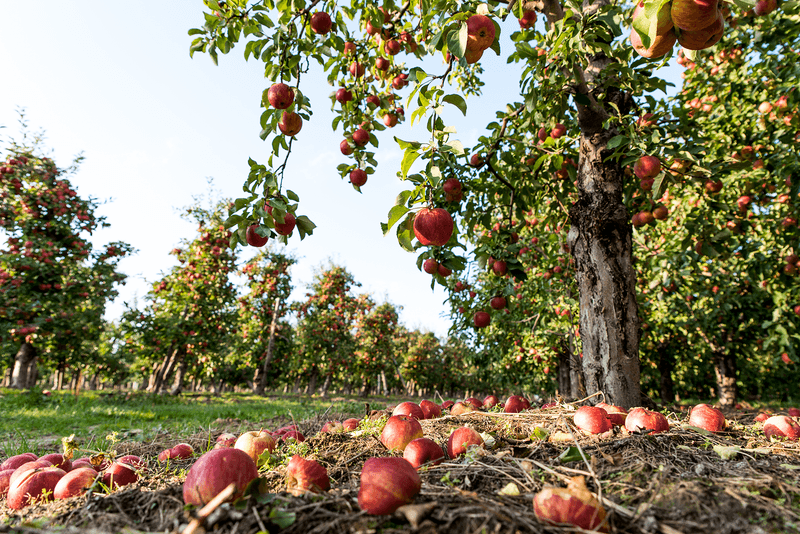
I didn’t expect my bird feeder to be part of the problem. Spilled seed draws mice and squirrels, and those small animals are exactly what coyotes like to hunt.
Coyotes visit yards for food first. Common attractions include fallen fruit, unsecured garbage, compost with meat scraps, pet food left outdoors, and rodents living in brush piles. Remove the buffet, and visits usually drop off.
Start with a few easy changes. Clean up seed under feeders, pick up windfall apples and pears, and keep trash in sturdy cans with tight lids. Feed pets indoors, and close off spaces under decks and sheds where animals might den.
Brush piles and tall weedy edges shelter rabbits and voles. Trimming them back makes your yard less appealing to both prey and predator.
Many Michigan communities, including several in metro Detroit, remind residents that feeding coyotes on purpose makes them bolder around people. A coyote that links houses with free meals is more likely to linger in daylight. Keeping food out of reach helps them stay wary, which is better for everyone, coyotes included.
A Little Noise Keeps Your Neighborhood Coyote Wary
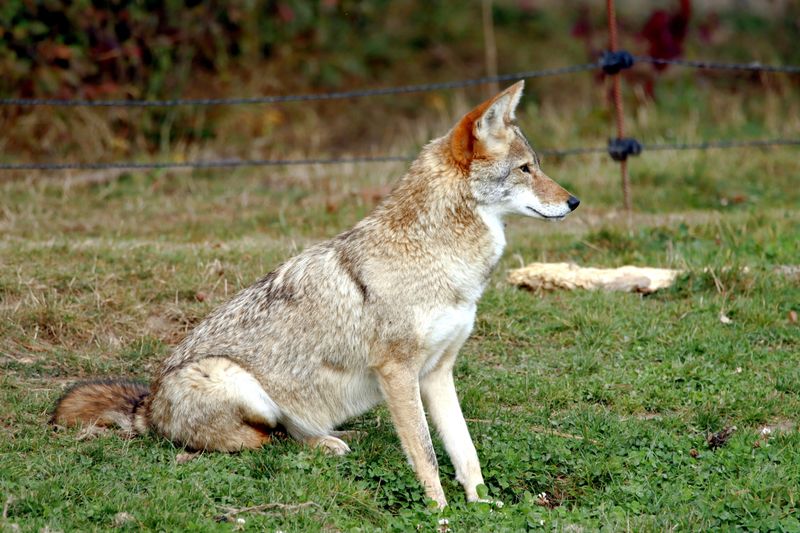
Not going to lie, my first daytime coyote sighting made my heart pound. The animal looked at me, then trotted away like it had somewhere better to be.
That reaction is typical. Coyotes are naturally cautious and usually avoid people. The Michigan DNR recommends a technique called hazing to keep them that way. Yell, clap, wave your arms, bang pots, or spray a garden hose until the coyote leaves.
Small pets need the most attention. Keep cats indoors and walk dogs on a short leash, especially at dawn and dusk. Coyote breeding season runs roughly January through March, and pups are born in spring, so adults may act more protective during those months.
Fences help too. A sturdy fence about 6 feet tall, with an outward lean or roller at the top, discourages most climbers and jumpers.
Coyotes are a regulated furbearer in Michigan, and the DNR suggests contacting a licensed nuisance wildlife control operator for a problem animal. Report any coyote acting sick or aggressive. Otherwise, treat that twisted little pile as a friendly reminder that wild neighbors share your yard.