The “Tidying Up” Habit That Can Remove Far More Florida Tree Canopy Than Necessary
Some trees in Florida get trimmed so hard they end up looking like coat racks with a few leafy tufts on top. Arborists even have a nickname for it, and it sounds a lot like a hat rack.
I used to think a heavy cut before storm season was the responsible thing to do. Funny thing is, research from the University of Florida after major hurricanes points the other way.
Trees with a full, well-shaped crown often handled the wind better than the scalped ones down the street. Those bare stubs also send up a wild burst of skinny sprouts that tend to snap easily.
I get it, because a neat yard feels safe and cared for. Still, every leaf you remove is a little solar panel the tree needed. The real challenge is knowing how much trimming is actually enough, and how much is quietly costing your yard its shade.
That Neat Oak Trim Might Be Costing Your Tree More Than Leaves
Leaves are a tree’s kitchen. Every green blade turns sunlight into the sugars that feed roots, build new wood, and fuel defenses against insects and disease.
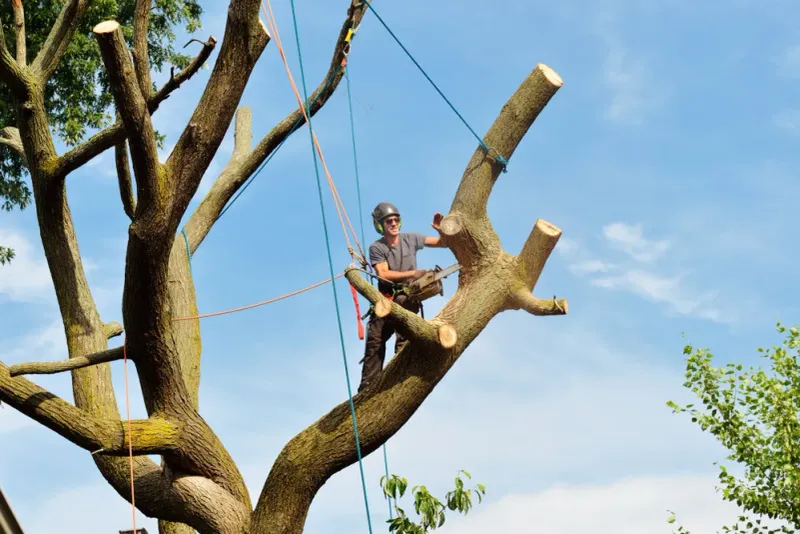
When a crew cuts away a big chunk of a live oak’s crown just to make it look tidy, the tree loses a large part of its food supply in one afternoon. Tree care standards used by arborists generally advise removing no more than about 25 percent of a healthy mature tree’s foliage in a single year, and often much less for older trees.
Mature trees are especially touchy about this. They store energy slowly, so a big loss can leave them weak for years. You may notice thinner growth, more twig dieback at the tips, or pests that seem to show up out of nowhere.
The tricky part is that the damage rarely shows right away. A heavily thinned tree can look fine for a season before it starts to struggle.
So before you approve that clean-up job, ask a simple question. What exactly is being removed, and why? If the answer is mostly healthy green branches for looks, the tree is paying a steep price for a tidy view.
Hat-Racked Tree Stubs Grow Back Weaker Than Before
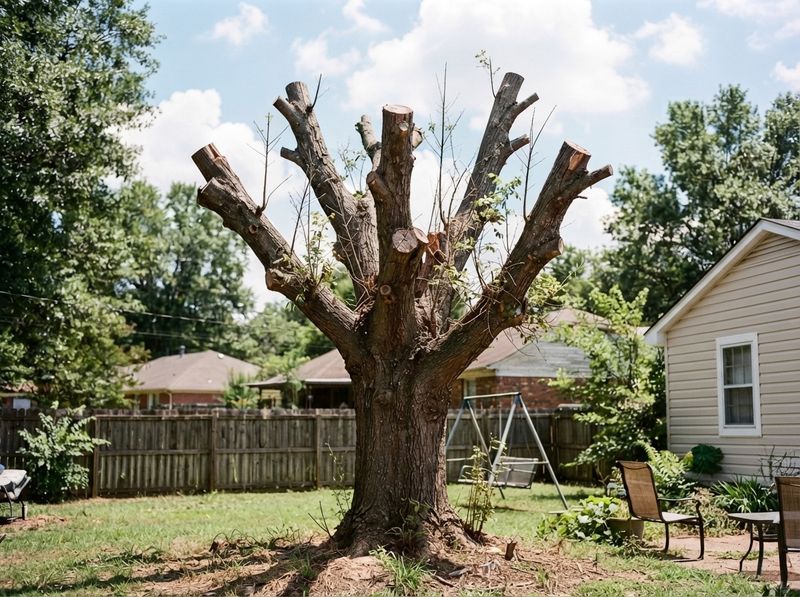
Guilty as charged, I once admired a freshly topped tree because it looked so controlled. Big limbs had been sawed off into blunt stubs, and the yard seemed instantly safer.
Arborists call this topping or hat-racking, and University of Florida extension experts warn against it. The tree reacts to the shock by pushing out dense clusters of fast, thin shoots right below each cut.
Those new shoots attach only to the outer layers of wood. They are not anchored deep like a natural branch, so they break off more easily in strong wind. As they grow heavier over a few years, the risk often climbs higher than before the cut.
Meanwhile, the big stubs left behind are open doors for decay. Rot can move down into the main limbs, hollowing them out where you cannot see it.
Topping also tends to start a costly cycle. The sprouts grow quickly, the tree looks messy again, and the owner pays for another hard cut.
If height truly needs reducing, ask for a reduction cut back to a healthy side branch instead. It keeps the tree’s natural shape and avoids that cluster of weak regrowth.
Lion-Tailed Branches With Bare Insides Catch More Wind
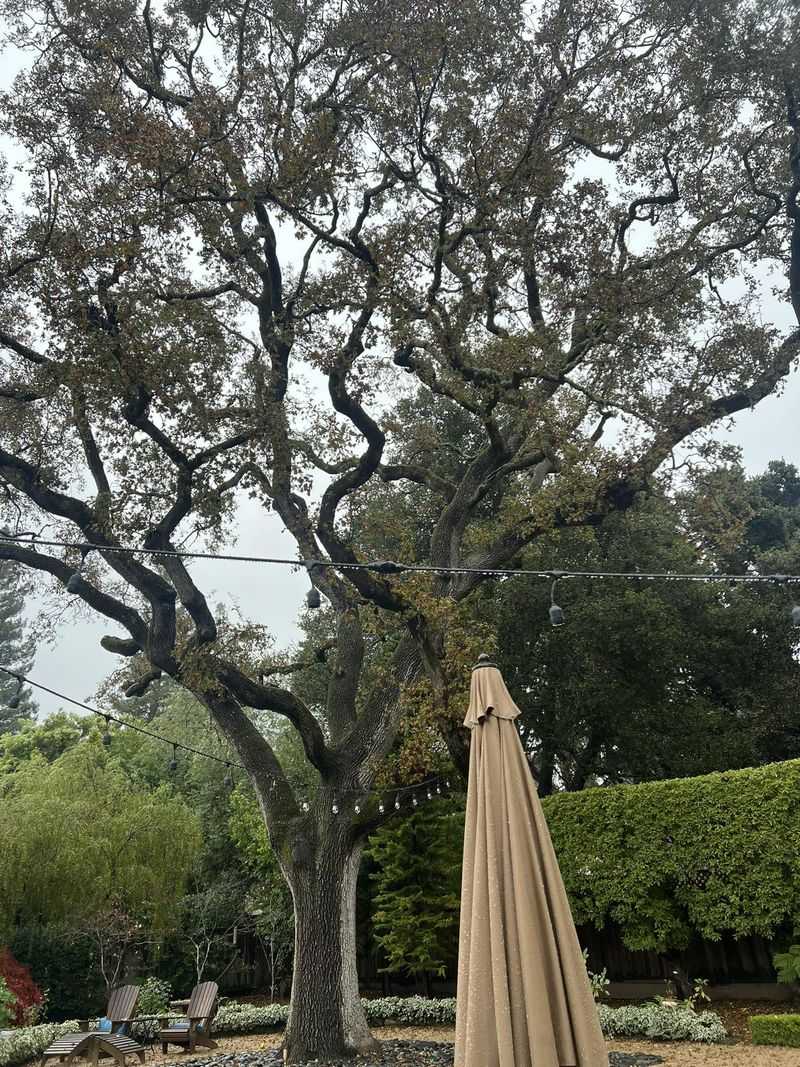
Picture-perfect from the curb, a lion-tailed tree can fool almost anyone. The inside of each branch gets stripped clean, leaving puffs of leaves only at the far ends.
Crews sometimes do this so wind can pass through the crown. The idea sounds logical, yet the physics works against it.
With all the leaves crowded at the tips, the weight and wind load sit at the very end of long, skinny limbs. That creates a lever effect, which puts extra stress where the branch meets the trunk. Studies of storm damage in the Southeast have linked this practice to more branch failures, not fewer.
Inner leaves also do quiet jobs. They help the branch grow thicker and stronger along its full length, and they shade the bark from the harsh afternoon sun.
Once those leaves are gone, the bark can scald and crack. The tree may also respond by sprouting a messy fuzz of shoots along the bare limb.
A better approach keeps foliage spread evenly from the inside to the outside of each branch. Light, selective thinning of crossing or crowded limbs gives you airflow without loading the branch tips like a heavy broom.
Green Palm Fronds Should Stay On Your Sabal Palm
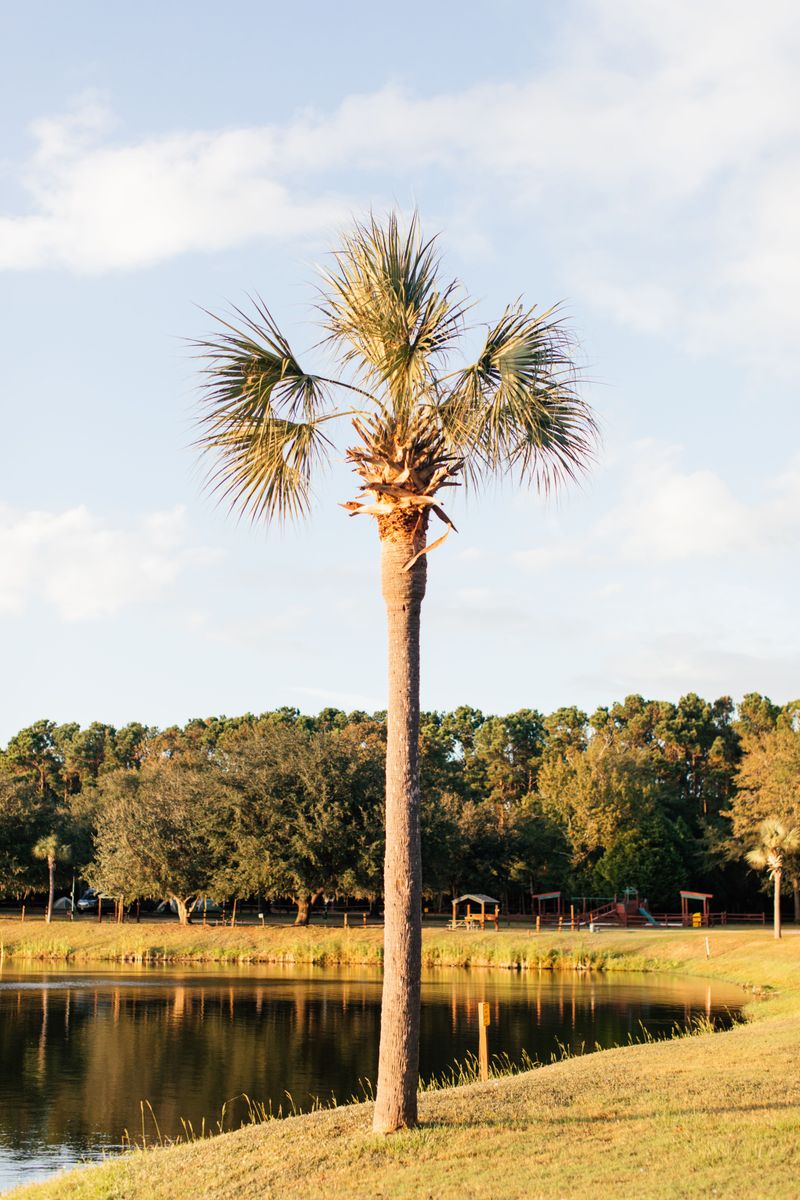
Trust me on this one, the skinny pineapple look on palms is not doing them any favors. Many Florida yards show palms cut down to a few upright fronds pointing at the sky.
University of Florida palm specialists advise removing only fronds that are fully brown or hanging well below horizontal. Green and even yellowing fronds still feed the palm, and some pass nutrients like potassium back to new growth.
Over-trimming can lead to a pinched, narrow trunk section called pencil-pointing. It can also worsen potassium deficiency, a common problem in sandy Florida soils.
Here is a fun fact. Palms evolved in windy places, and their flexible fronds are built to bend and shed in a storm. A full crown actually helps protect the tender bud at the center, which is the palm’s only growing point.
So the so-called hurricane cut offers little real benefit. It mostly weakens the palm and removes its natural padding.
A good rule is simple to remember. Keep fronds that sit at or above the horizontal line, like the hands of a clock between nine and three. Remove spent flower and fruit stalks if they bother you.
Late Winter Pruning Gives Florida Shade Trees A Head Start
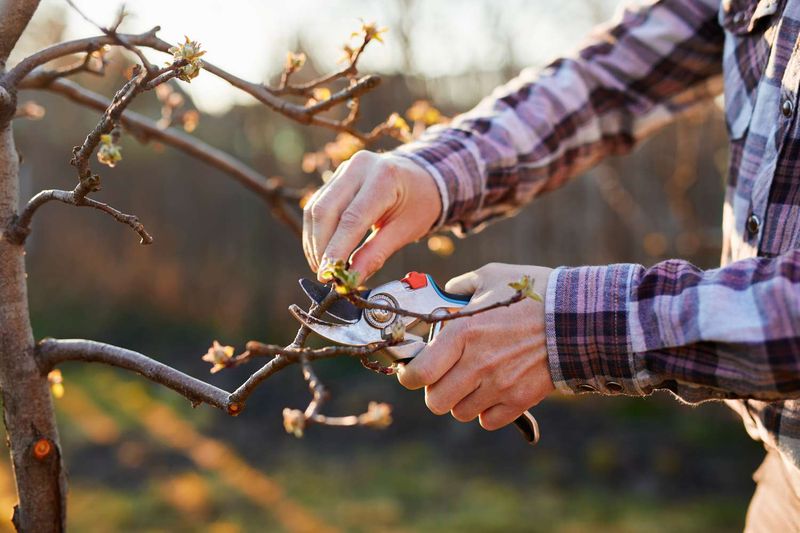
Calendar timing sounds boring until you see how much it helps. For many shade trees in the state, the dormant or slow-growth period of late winter into early spring works well for structural pruning.
Cuts made then are followed by a strong spring push of leaves. That fresh growth helps the tree seal its wounds and rebuild energy before the summer heat arrives.
In North Florida, a late frost can still nip tender shoots, so waiting until the hardest cold has passed is smart. South Florida gardeners have more wiggle room, though spring is still a fine choice.
Big pruning jobs right before or during hurricane season, which runs June 1 through November 30, can leave fresh wounds and weak sprouts at a risky moment. Ideally, any structural work gets done well before summer storms begin.
Of course, a broken or hanging limb is a different story. Hazards should be handled promptly, no matter the month.
Flowering trees add another wrinkle. Some bloom on last year’s wood, so pruning right after flowering protects next season’s show. A quick check with your county extension office can clear up the timing for your specific tree.
The Branch Collar Is Where A Clean Cut Belongs
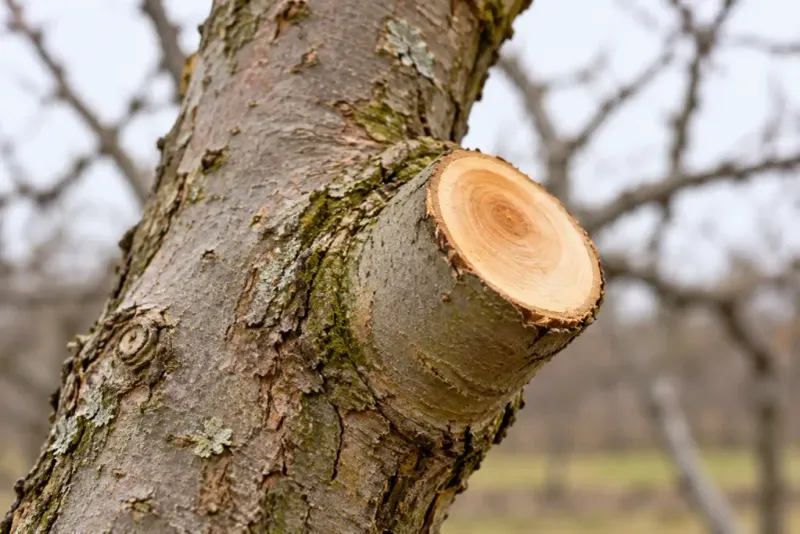
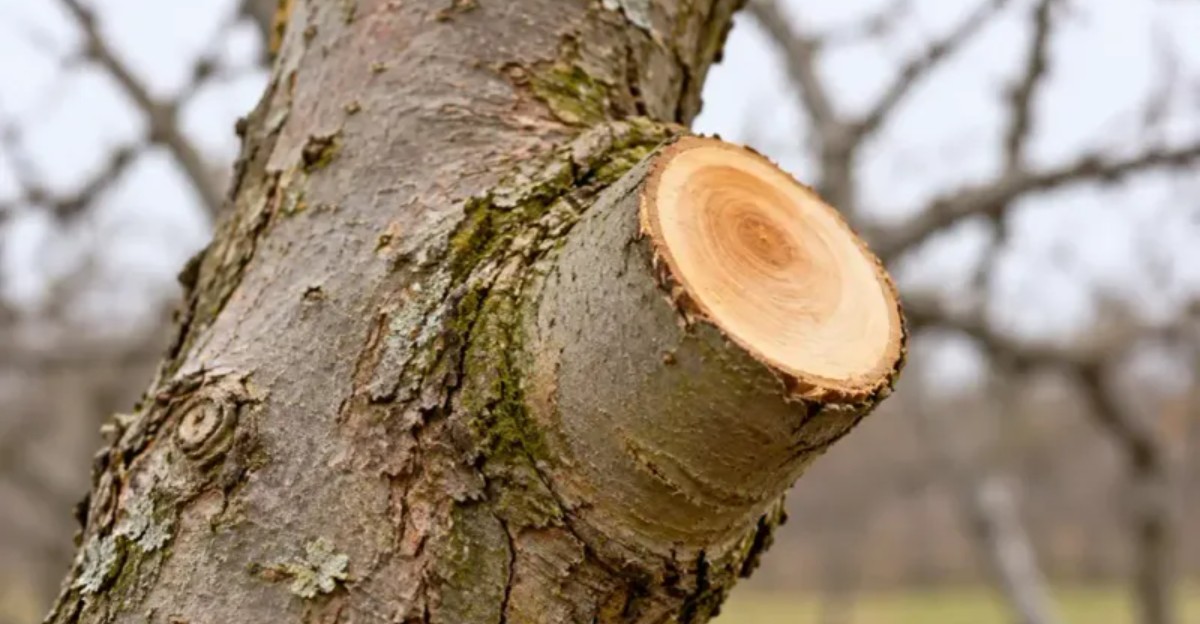
Not going to lie, I did not even know trees had a collar until an arborist pointed one out. It is the slightly swollen ring where a branch joins the trunk or a larger limb.
That little bulge matters a lot. It holds special tissue that helps the tree wall off a wound, a process scientists call compartmentalization.
Trees do not heal the way skin does. Instead, they seal and grow new wood over the cut, and that works best when the collar stays intact.
A flush cut, sliced right against the trunk, removes the collar and creates a larger wound. A long stub creates the opposite problem, leaving wood the tree struggles to close over.
For heavier limbs, use the three-cut method. Make a small undercut a foot or so out, then cut from the top just beyond it to drop the weight. Finish with a clean cut just outside the collar.
Skip the wound paint, too. Research shows it generally does not help and can trap moisture. A neat, properly placed cut does far more good, and within a season or two you should see a healthy doughnut of new wood forming.
A Certified Arborist Can Save Your Canopy And Your Wallet
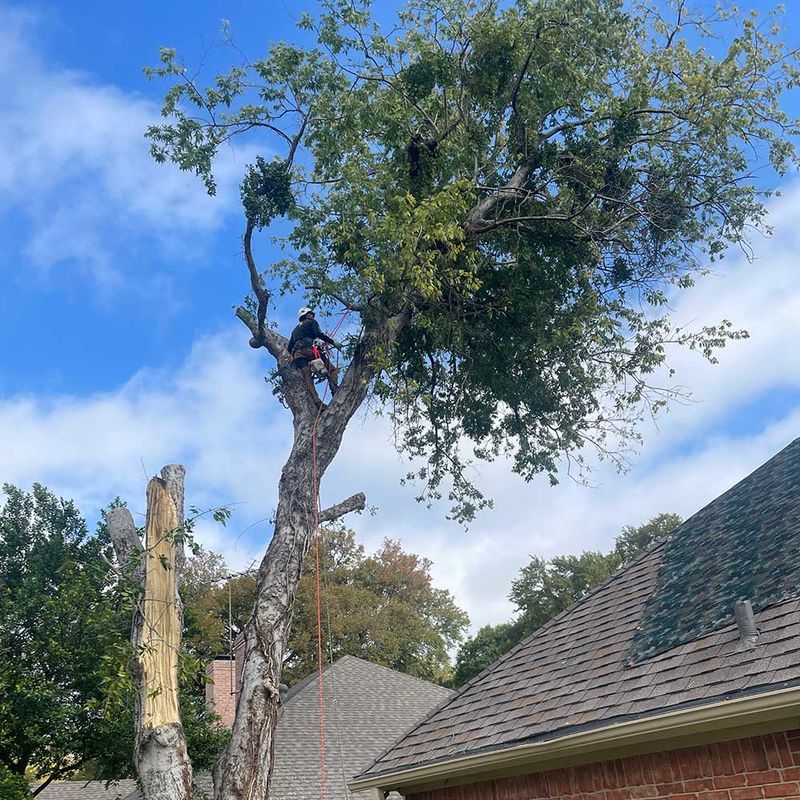
Paperwork is not anyone’s favorite part of yard care, but it matters here. Florida Statute 163.045 lets homeowners trim or remove a tree on residential property without a local permit if an ISA certified arborist or Florida licensed landscape architect documents that it poses an unacceptable risk.
That rule has limits. Mangroves have their own state protections, and some situations, like certain historic or community rules, can still come into play. Checking with your city or county first is a wise move.
Beyond the law, a certified arborist brings real value. They can spot weak branch unions, decay, or root problems that a quick trim crew might miss.
Ask for proof of ISA certification and insurance before anyone climbs your tree. Be wary of door knockers offering cheap storm prep, especially after a hurricane.
A good arborist will talk about structural pruning, especially on young trees. Shaping a single strong central leader early prevents many problems later.
My takeaway is simple. Treat your canopy like a long-term investment, not a hedge to keep tidy. A little expert guidance now can mean more shade, lower cooling bills, and sturdier trees when the next storm rolls through.