The Oversized Squirrel On Maryland’s Eastern Shore That Many People Mistake For A Gray Squirrel
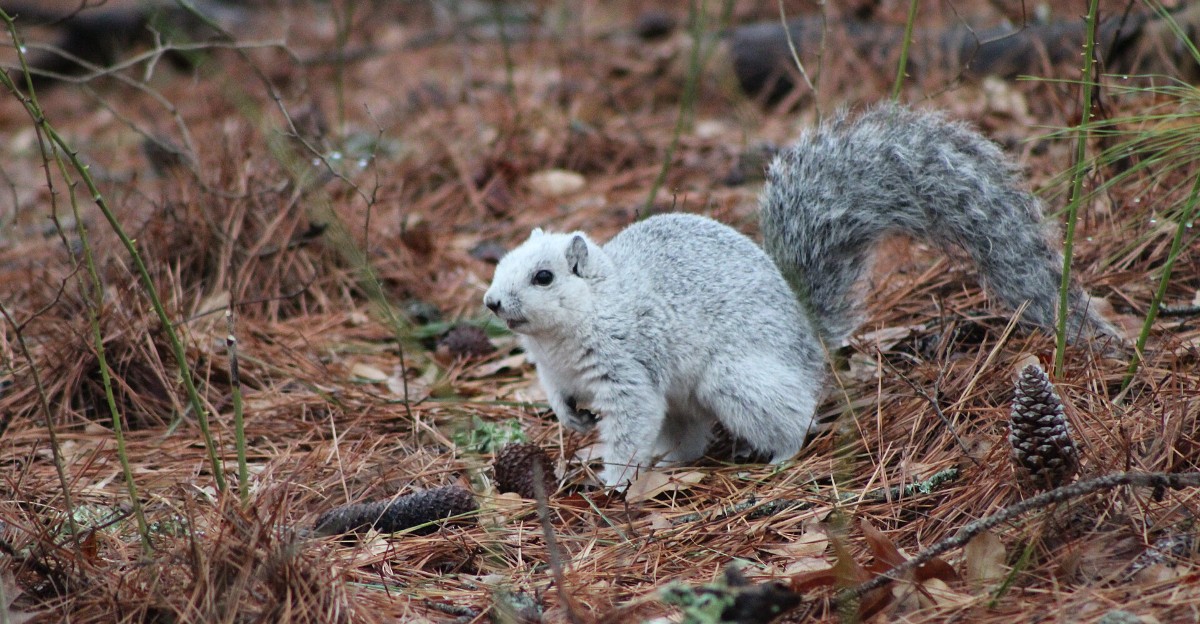
A squirrel on the Delmarva Peninsula can stretch about 30 inches from nose to tail tip. That is roughly double the heft of the bushy-tailed bandit raiding your bird feeder.
I used to think every silvery squirrel in the woods was the same old gray. Truth is, I walked past one for years without a second look. It moved slowly, almost lazily, across the pine needles near a farm field.
Here’s what gets me about this animal. It spent nearly 50 years on the federal endangered species list. Then it bounced back so well that officials removed it from that list in 2015, a rare wildlife win in Maryland.
So how do you tell this big fellow apart from the ordinary gray squirrel? And could one already be wandering past your back porch?
That Big Silver Squirrel Under Your Pines Isn’t What It Seems
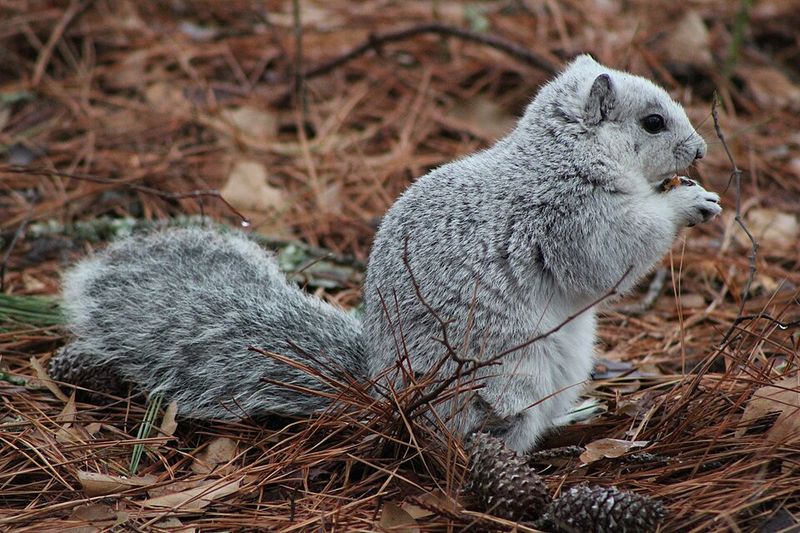
Plenty of folks on the Eastern Shore have snapped a photo of a huge gray squirrel and called it a day. I did the same thing once. Turns out, that hefty animal was a Delmarva fox squirrel, a subspecies of the fox squirrel known to scientists as Sciurus niger cinereus.
Fox squirrels are the largest tree squirrels in the eastern United States. A Delmarva fox squirrel can reach about 30 inches long, with nearly half of that being tail. Adults often weigh between 1.5 and 3 pounds, while an eastern gray squirrel usually tips the scale at around one pound.
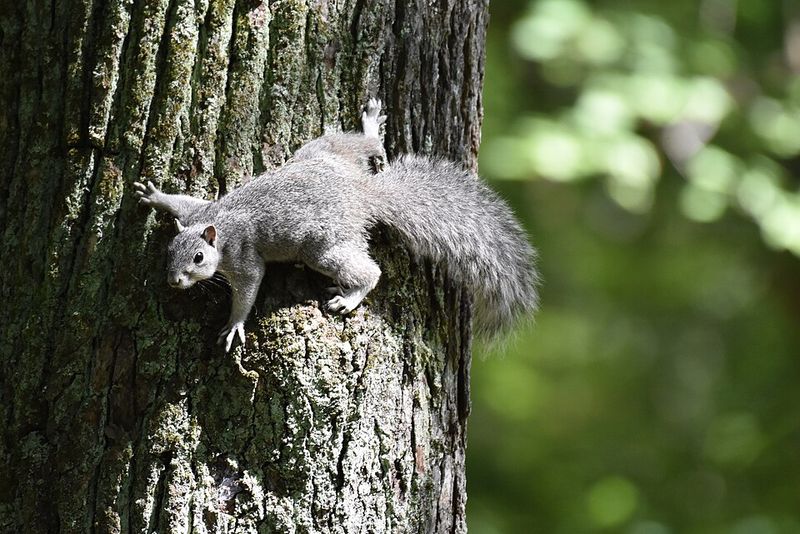
The mix-up makes sense. Unlike many fox squirrels elsewhere, which wear rusty orange coats, this one is a frosty silver-gray on top with a creamy white belly. From a distance, the color matches the gray squirrel nearly perfectly.
So size becomes your first real clue. If the squirrel looks oddly bulky, like it skipped a few workouts and ate extra acorns, take a second look. You might be watching one of the rarest mammal success stories in the region.
Keep your camera handy. Clear photos help you compare details later and can even help local biologists track where these squirrels live.
Check The Ears, Feet, And Tail Before You Call It A Gray Squirrel
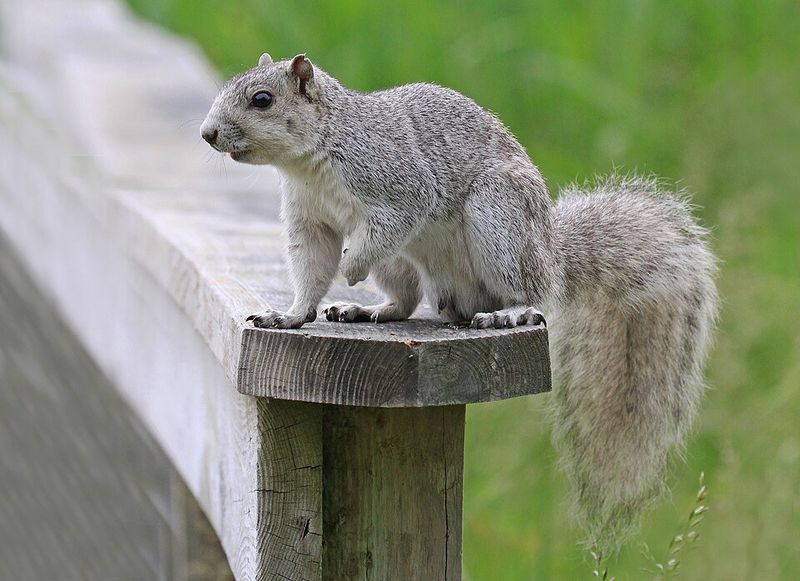
Once you know what to look for, the differences pop out like a cardinal in snow. My favorite trick is checking the ears first. A Delmarva fox squirrel has short, rounded ears, while a gray squirrel’s ears look a bit taller and more pointed.
Next, glance at the feet. This bigger squirrel often has whitish or pale feet that contrast with its silvery body. Gray squirrels usually have grayish or brownish feet that blend in with their fur.
The tail is another giveaway. A fox squirrel’s tail is wide and full, often trimmed with a dark or black edge and a white outer fringe. When the light hits it from behind, it can look almost like a feathery fan.
Body shape helps too. Delmarva fox squirrels look stocky and broad, with a heavy build. Gray squirrels seem slimmer and quicker, built for zipping around.
One fun detail? The face of a fox squirrel often looks a little blunter and lighter colored. Try using binoculars from your porch instead of walking closer. These shy animals tend to slip away fast when people approach, and a calm look gives you the best chance to spot every clue.
A Slow-Moving Squirrel Strolling Across The Forest Floor
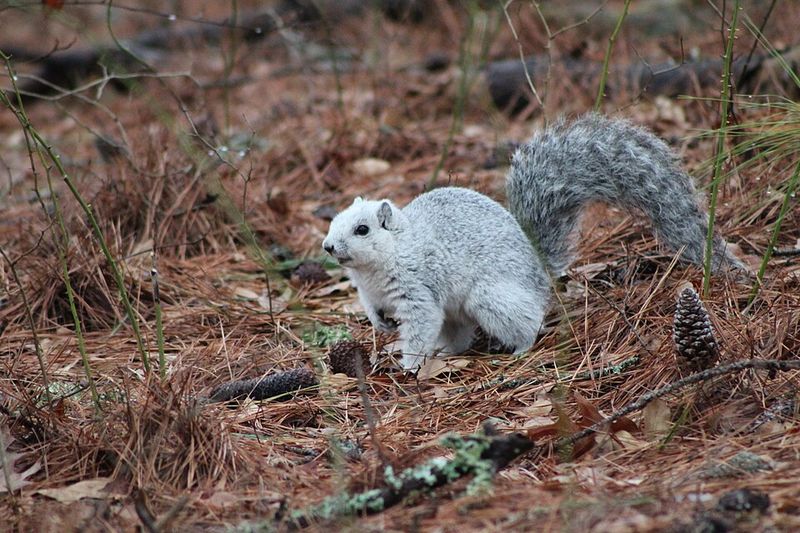
Gray squirrels act like they drank three cups of coffee. They dash, leap, chatter, and fly from branch to branch. Delmarva fox squirrels, on the other hand, seem to take life at a Sunday-afternoon pace.
Biologists describe this squirrel as quieter and shyer than its smaller cousin. It spends a lot of time foraging on the ground. Instead of jumping from tree to tree high in the canopy, it often climbs down one trunk and walks across the forest floor to the next.
That habit is a handy identification tip. If you see a large silvery squirrel ambling through open woods near a field edge, you may have found a fox squirrel. A frantic squirrel racing along power lines is more likely a gray.
Their calm style has a downside. Moving on the ground puts them closer to roads, cars, and predators like foxes and hawks. Drivers on rural Eastern Shore roads should slow down near wooded field edges, especially in early morning and late afternoon.
Watching one wander along feels peaceful, almost like spotting a deer. Give it space, stay still, and you may enjoy a surprisingly long show.
Mature Pine And Oak Woods Near Farm Fields Are Prime Fox Squirrel Country
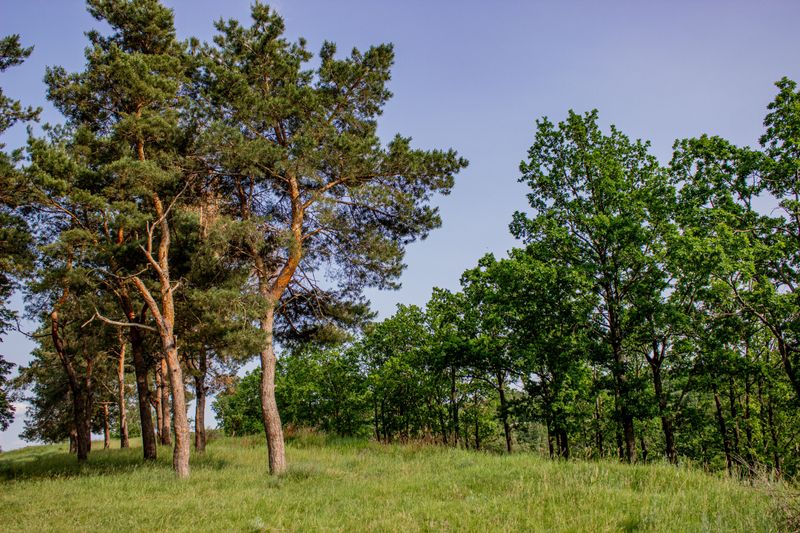
Location tells you a lot here. The Delmarva fox squirrel is picky about its home. It favors mature forests with a mix of hardwoods and pines, plus an open understory with little brush underneath.
Many of these woods sit along streams, bays, or edges of farm fields. That mix gives the squirrels tall trees for shelter and nearby open ground for foraging. In southern Dorchester County, they also live in mature loblolly pine stands near marshes and tidal creeks.
Blackwater National Wildlife Refuge is one of the best-known spots to look for them. Staff there have long helped protect the squirrel and its habitat. Visitors sometimes see them crossing the Wildlife Drive.
Historically, this squirrel ranged across much of the Delmarva Peninsula and into southeastern Pennsylvania. By the mid-1900s, it had shrunk to a few Eastern Shore counties in Maryland. Habitat loss from timber cutting and land development played a big role.
If your property borders older woods on the Eastern Shore, you might have neighbors you never noticed. Walk the woodland edge on a quiet morning and scan the ground carefully. Patience pays off more than speed.
Acorns, Hickory Nuts, And Green Pine Cones Fill This Big Squirrel’s Menu
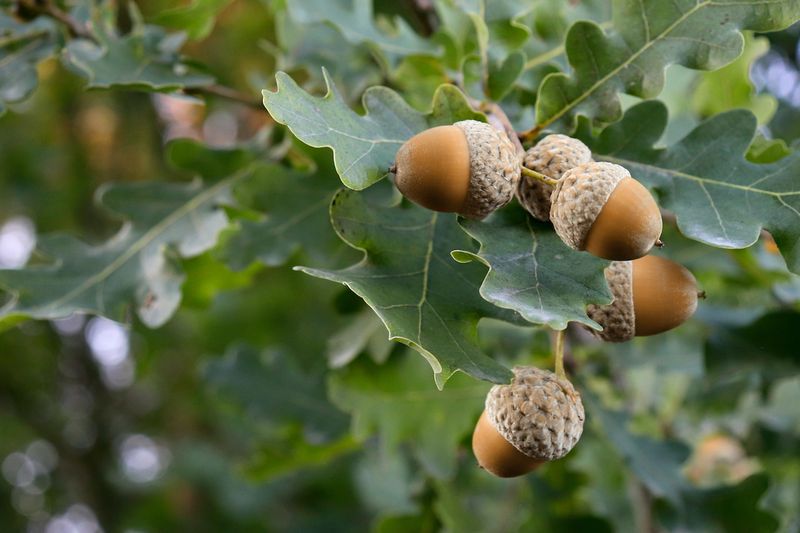
Gardeners love knowing what wildlife eats, and this squirrel has refined tastes. Nuts and seeds make up most of its diet. Acorns, hickory nuts, walnuts, sweetgum seeds, and loblolly pine seeds all rank high.
In summer and early fall, you might catch one gnawing on green pine cones. They peel away the scales to reach the seeds, leaving little piles of stripped cores behind. Finding those leftovers under pines is a fun clue that squirrels are busy nearby.
Their menu stretches beyond nuts. They also nibble tree buds, flowers, fruits, fungi, and even insects. In spring, buds and blooms help fill the gap before the year’s nuts ripen.
Like gray squirrels, they bury some food to eat later. Forgotten stashes can sprout into new trees. That means these squirrels quietly help plant future oak and hickory woods.
Should you put out food for them? Wildlife experts generally prefer natural food sources over handouts. Feeding can draw crowds of gray squirrels and raccoons and may cause animals to lose their healthy fear of people. A yard with mature native nut trees offers a far better buffet.
How Maryland’s Biggest Squirrel Bounced Back From The Endangered List
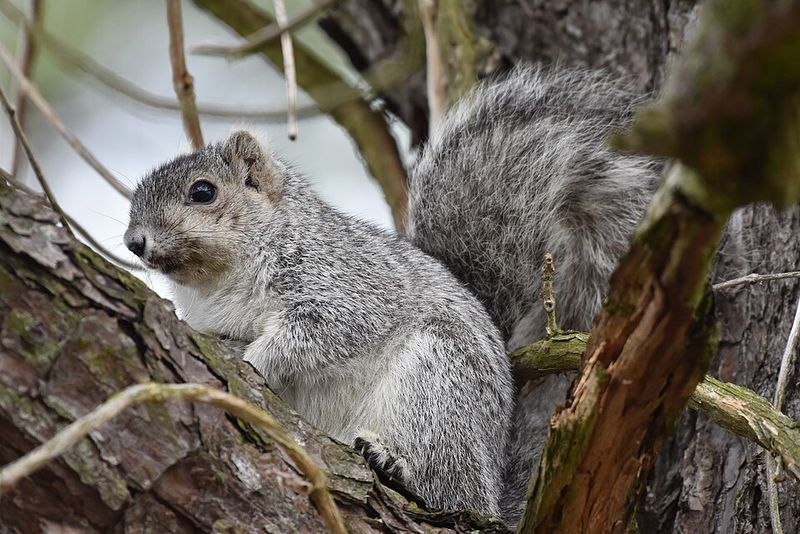
Wildlife comebacks don’t happen often, so this one deserves a cheer. In 1967, the Delmarva fox squirrel joined the very first group of animals listed as endangered in the United States. At that time, it held on in only about 10 percent of its former range.
Biologists, landowners, and state and federal agencies worked together for decades. They protected key forests, studied the squirrels, and moved small groups into suitable habitat in new areas. Several of those relocated populations took hold and grew.
The effort worked. In December 2015, the U.S. Fish and Wildlife Service removed the subspecies from the endangered list. Officials reported that its range had grown to cover roughly 28 percent of the Delmarva Peninsula.
Delisting doesn’t mean the job is finished. Federal biologists committed to monitoring the population for years afterward. Maryland also continues to treat it as a protected species that people shouldn’t hunt, trap, or harm.
Sea level rise threatens some low-lying forests along the Chesapeake Bay. Saltwater can push into woods and stress pines and hardwoods. Protecting higher, mature forests may matter even more in the years ahead.
Plant Native Oaks And Pines To Welcome Fox Squirrels Near Your Yard
Want to give these big squirrels a reason to stick around? Start with trees. Long-lived native oaks, hickories, and loblolly pines provide food, cover, and future den sites.
Good choices for the Eastern Shore include white oak, willow oak, southern red oak, mockernut hickory, and loblolly pine. Most of the area falls in USDA zones 7b and 8a, so these natives handle the climate well. Fall is a great time to plant young trees, since cooler weather and steady rain help roots settle in.
Patience matters here. Oaks can take 20 years or more to produce big acorn crops. Still, every tree you plant now builds habitat for the next generation of wildlife.
If you own woodland, keep some older trees standing, especially ones with hollows. Fox squirrels use tree cavities and leafy nests for shelter. A fairly open understory also suits their ground-foraging habits.
Finally, report sightings outside known areas to the Maryland Department of Natural Resources. Good photos help biologists track the population. Spotting one of these silvery giants is a treat, and your backyard choices can help keep them around for years.