The Composting Method That Works Better In Michigan Than A Standard Bin
Standard compost bins are the default recommendation for backyard composting, and they work reasonably well in climates where warmth and moisture stay consistent through a long growing season. Michigan is not that climate.
Cold winters shut down microbial activity for months, significantly compressing the active composting window during short summers.
Additionally, the state’s common heavy clay soils interact with finished compost in ways that dictate specific application methods.
One composting method perfectly accounts for all of these Michigan-specific conditions. In this climate, it consistently outperforms standard bins in processing speed, quality, and ease of year-round management.
1. The Method Is Vermicomposting
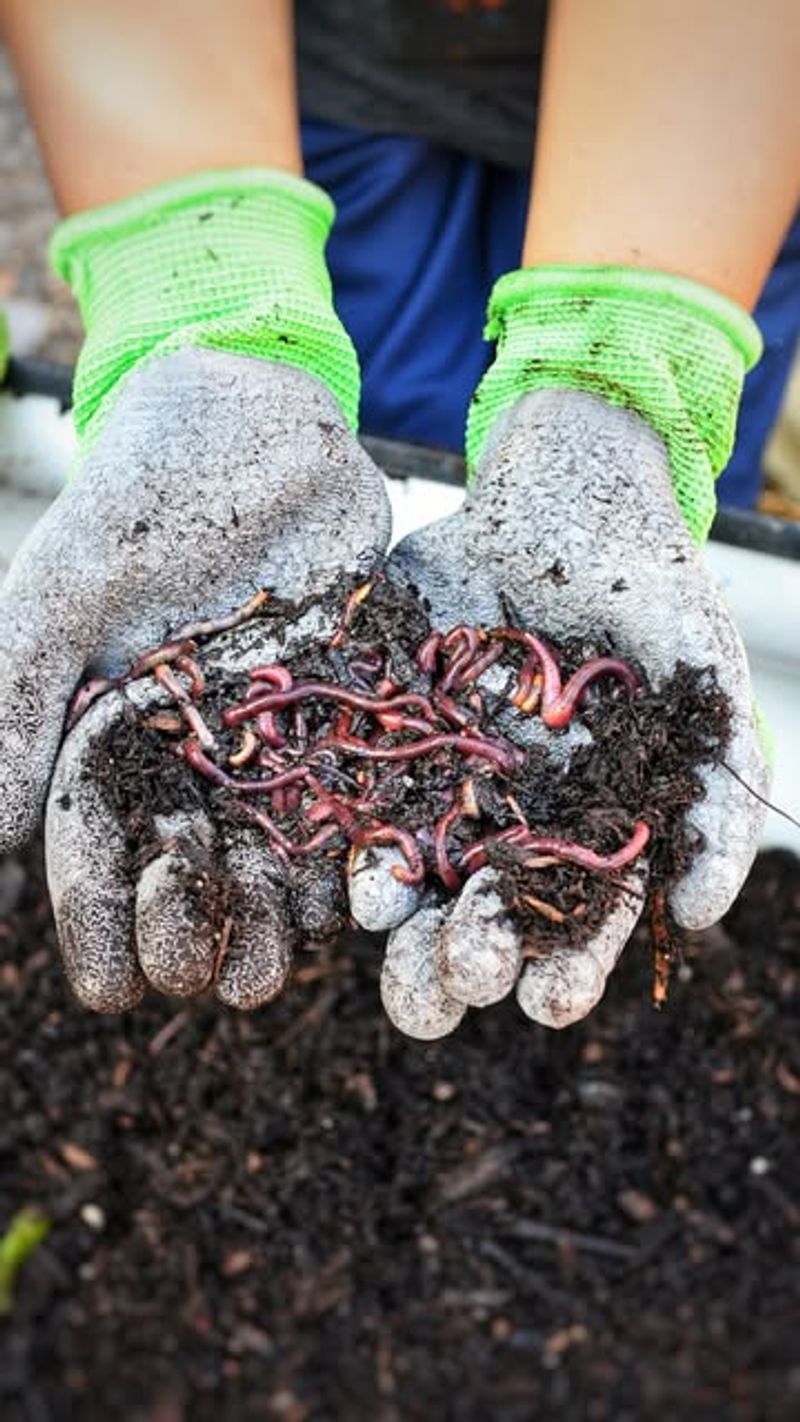
Forget the big outdoor bin that sits in the corner of your yard collecting rain and going nowhere fast.
The composting method that works better for many Michigan gardeners is vermicomposting, and it is surprisingly simple once you get started.
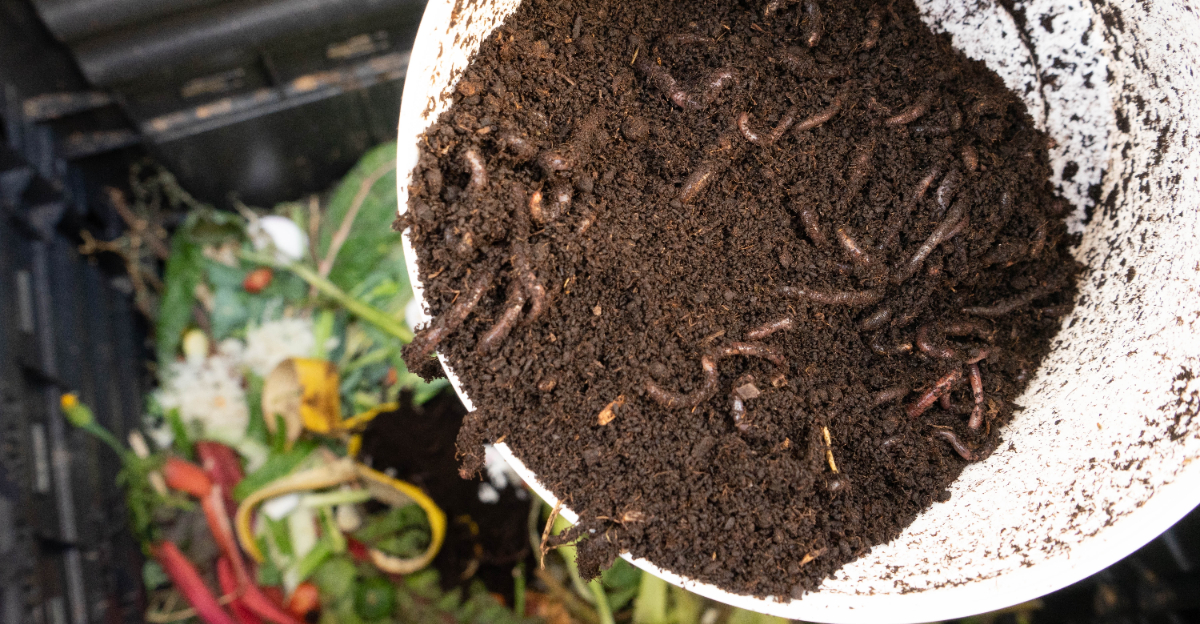
Worm composting uses red wigglers to break down kitchen scraps inside a small, contained bin right in your home. Red wigglers are not just any worms.
These little workers eat through food scraps and bedding material, and what they leave behind is called worm castings, one of the richest natural soil amendments you can use in a garden.
The whole process happens in a controlled container, which means no outdoor mess, no freezing temperatures shutting things down, and no waiting months for results. Michigan winters are tough on traditional composting.
Outdoor bins can stall completely when temperatures drop, leaving you with frozen, unfinished material for months at a time.
Vermicomposting keeps moving right through January and February because your bin stays warm indoors.
Gardeners who want a cleaner, steadier, and more reliable way to compost food scraps throughout the entire year will find that this method fits into everyday home life much more smoothly than a standard outdoor setup ever could.
2. It Works In Small Spaces
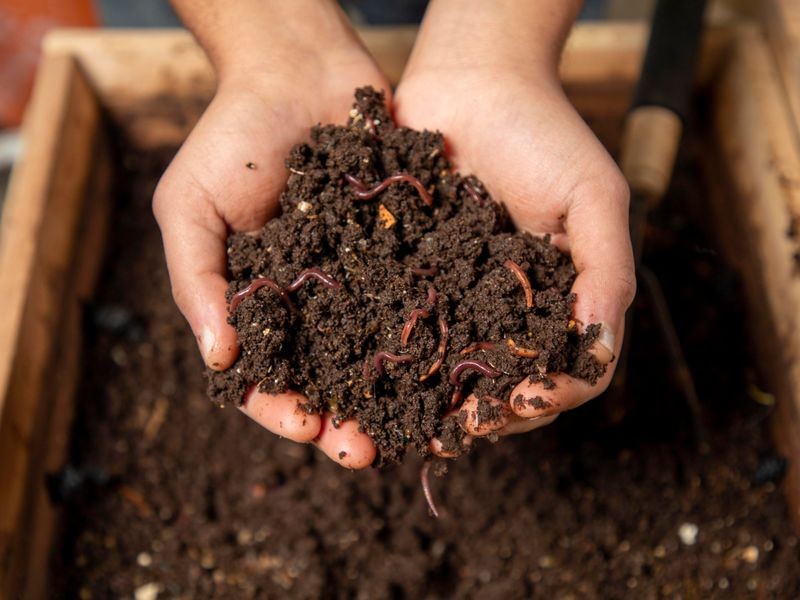
Not every Michigan gardener has a big backyard or a dedicated outdoor composting area.
Apartment dwellers, condo owners, and homeowners with small lots often feel left out of the composting conversation, but vermicomposting changes that completely.
A worm bin takes up very little space and fits comfortably in spots you probably already have available.
Basements are one of the most popular places to keep a worm bin in Michigan because they stay cool in summer and warm enough in winter.
Laundry rooms, mudrooms, utility rooms, and even heated garages all work well too.
Some people keep their bin tucked under a kitchen counter or inside a cabinet, and it stays clean and odor-free as long as it is managed correctly.
One thing worth knowing is that vermicomposting is designed for household food scraps, not large volumes of leaves, branches, or garden cleanup material.
If you are hoping to compost big piles of fall leaves or garden trimmings, a standard outdoor bin or pile is still a better fit for that job.
But for the steady stream of fruit peels, coffee grounds, and vegetable scraps that come out of a kitchen every week, a small indoor worm bin is the most practical and space-friendly solution Michigan gardeners can find without needing a yard at all.
Your Michigan Garden Changes Every Week. Your Plan Should Too.
Gardening in Michigan changes quickly throughout the season. Every Friday you’ll receive a simple weekly plan showing exactly what to plant, prune, fertilize, harvest, and protect so you never miss the right timing.
3. It Uses Red Wigglers, Not Regular Garden Worms
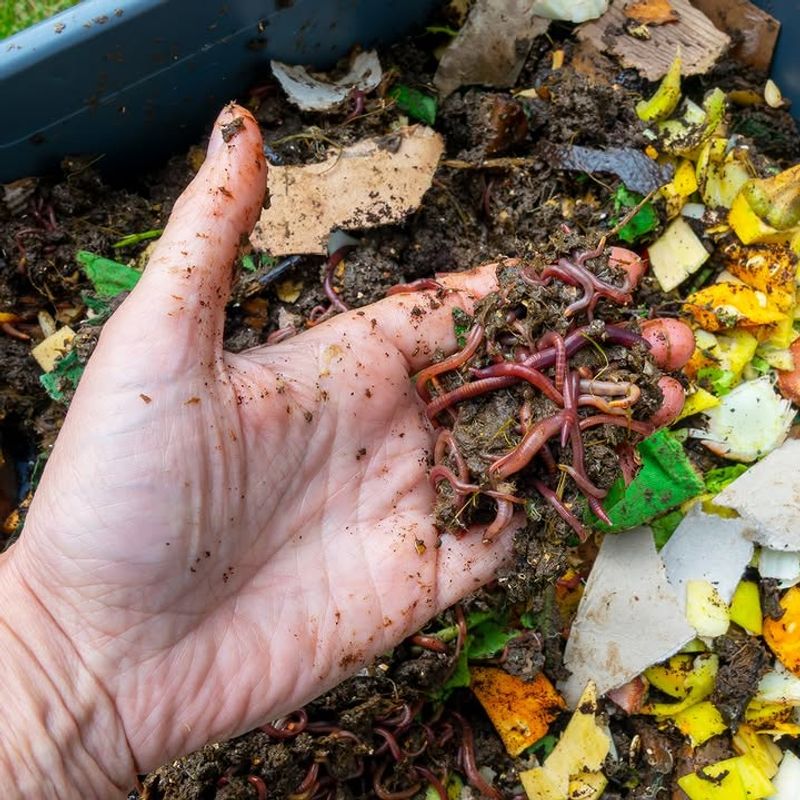
One of the most common mistakes new vermicomposters make is grabbing worms from the garden and tossing them into a bin, hoping for the best.
Regular garden worms and nightcrawlers are built for burrowing deep into soil, not for living in a shallow container full of food scraps.
Using the wrong worms will not get you the results you want. Red wigglers, scientifically known as Eisenia fetida, are the right choice for worm composting.
These worms naturally live near the surface of the soil, often found under logs, in leaf piles, or in areas with lots of decaying organic matter.
That surface-dwelling habit makes them perfectly suited to a bin environment where they stay close to the food and bedding rather than trying to burrow away.
Red wigglers also tolerate the temperature swings, moisture levels, and carbon-rich bedding that a worm bin creates.
They eat through organic scraps quickly and reproduce at a steady rate, which helps keep your bin population healthy over time.
You can order red wigglers online or find them at some local garden centers and bait shops in Michigan.
Starting with about one pound of worms for every pound of food scraps you produce each week is a solid guideline that most experienced vermicomposters recommend for a balanced and productive bin setup.
4. It Needs A Simple Lidded Container
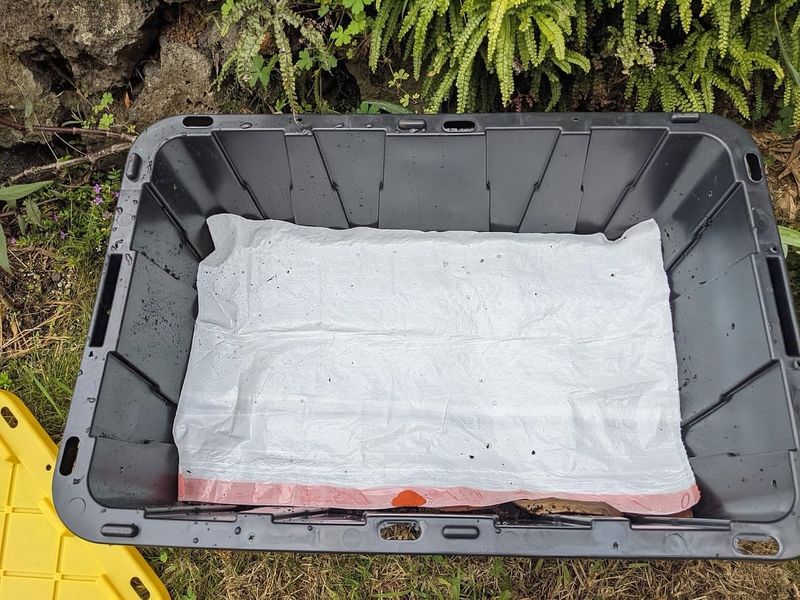
Setting up a worm bin does not require fancy equipment or a big investment.
Many Michigan gardeners start with a basic plastic storage container, usually somewhere between 10 and 14 gallons, which is roomy enough for a good starter population of worms without taking up too much space.
A lid is important because it keeps moisture in and light out. Worms prefer darkness, so a solid lid helps them stay comfortable and active.
You will also want to drill small holes along the upper sides of the bin for airflow, since worms need oxygen to stay healthy and the bin needs ventilation to avoid becoming anaerobic and smelly.
Some setups also include a second bin or a tray underneath to catch any liquid that drains out, which can be diluted and used as a liquid fertilizer.
Bedding is what makes the bin feel like home for your worms.
Shredded newspaper, shredded cardboard, and coconut coir are all excellent bedding materials that hold moisture well and give worms a comfortable place to live and move through.
The bedding should feel like a wrung-out sponge, moist but not dripping wet.
Getting the moisture level right from the start makes everything else easier, and checking it regularly is one of the simplest habits you can build as a new vermicomposter in Michigan.
5. It Turns Kitchen Scraps Into Garden Material
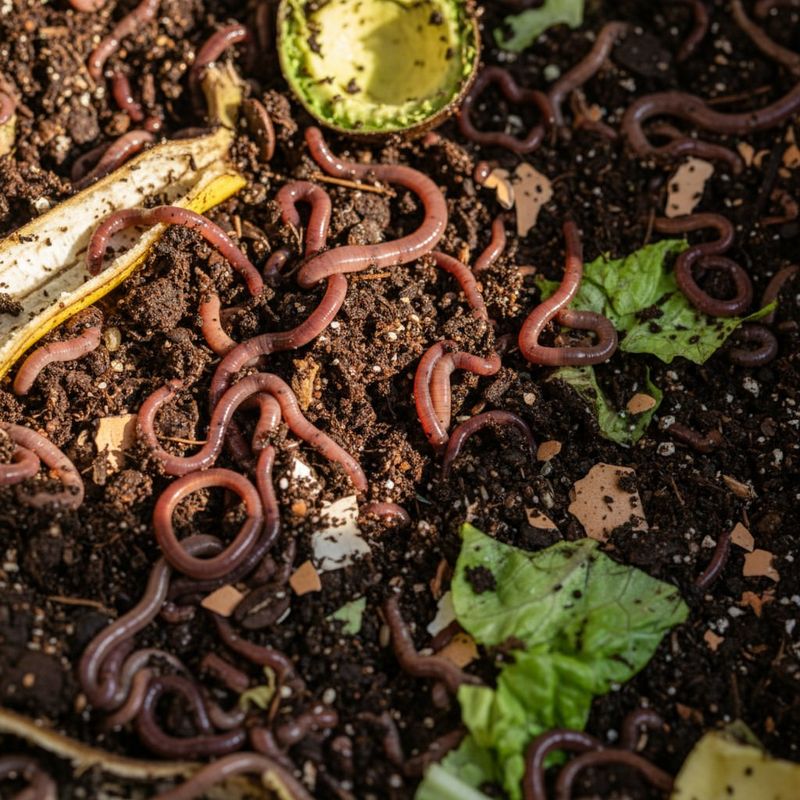
Your kitchen produces a surprising amount of compostable material every single week, and a worm bin is the perfect place to put it all to work.
Fruit scraps, vegetable peels, wilted lettuce, apple cores, and melon rinds are all excellent additions that red wigglers will process quickly.
Coffee grounds and used tea leaves are also favorites in the worm bin world. Crushed eggshells are worth adding too.
They break down slowly and help balance the pH inside the bin while giving worms a bit of grit that helps their digestion.
Small amounts of plain bread, cooked grains, or stale crackers can go in occasionally, but should not make up a large portion of what you add.
Shredded paper and cardboard serve double duty as both bedding and a carbon source that balances the nitrogen-rich food scraps.
The key to keeping a worm bin working smoothly is moderation. Adding too much food at once overwhelms the worms and creates odors or attracts fruit flies.
Instead, bury each new batch of food scraps under a layer of bedding so the worms can find it gradually and process it at their own pace.
Chopping or tearing scraps into smaller pieces speeds things up noticeably.
Over time, those scraps transform into dark, crumbly worm compost that your vegetable beds and container plants will absolutely thrive with.
6. It Is Cleaner Than A Neglected Outdoor Bin
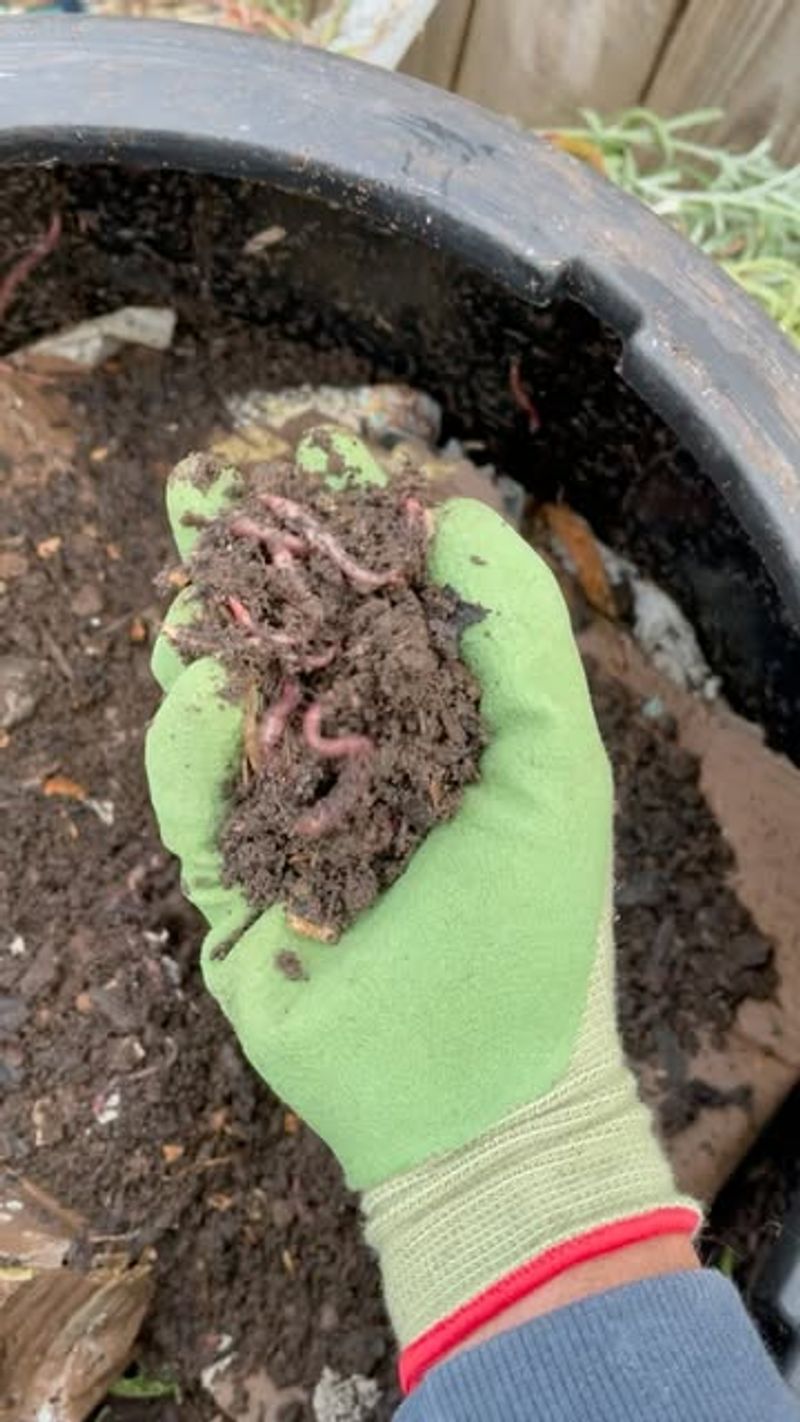
Standard outdoor compost bins sound great in theory, but they can quickly turn into a frustrating mess when life gets busy.
Food scraps pile up faster than they break down, especially in Michigan where cold weather slows microbial activity for months at a time.
The result is often a bin full of slimy, half-rotted material that smells bad and attracts unwanted visitors.
Raccoons, mice, and other wildlife are naturally drawn to outdoor bins that contain food scraps, especially in suburban and rural areas of Michigan.
Wet conditions can make the pile too soggy, while dry summers can cause it to stall out completely.
Turning a neglected outdoor bin is a messy chore that many gardeners end up avoiding, which only makes the problem worse over time.
Vermicomposting sidesteps most of these issues by keeping everything contained, indoors, and under your control.
The bin stays at a steady indoor temperature, which means the worms keep working all year.
There are no pests rummaging through it at night, no unpleasant odors drifting across the yard, and no need to haul a pitchfork out in February.
When managed correctly, a worm bin has a pleasant earthy smell, almost like fresh soil after rain.
For gardeners who want composting to actually work without constant outdoor maintenance, vermicomposting is a genuinely cleaner and more reliable choice.
7. It Produces A Rich Soil Amendment
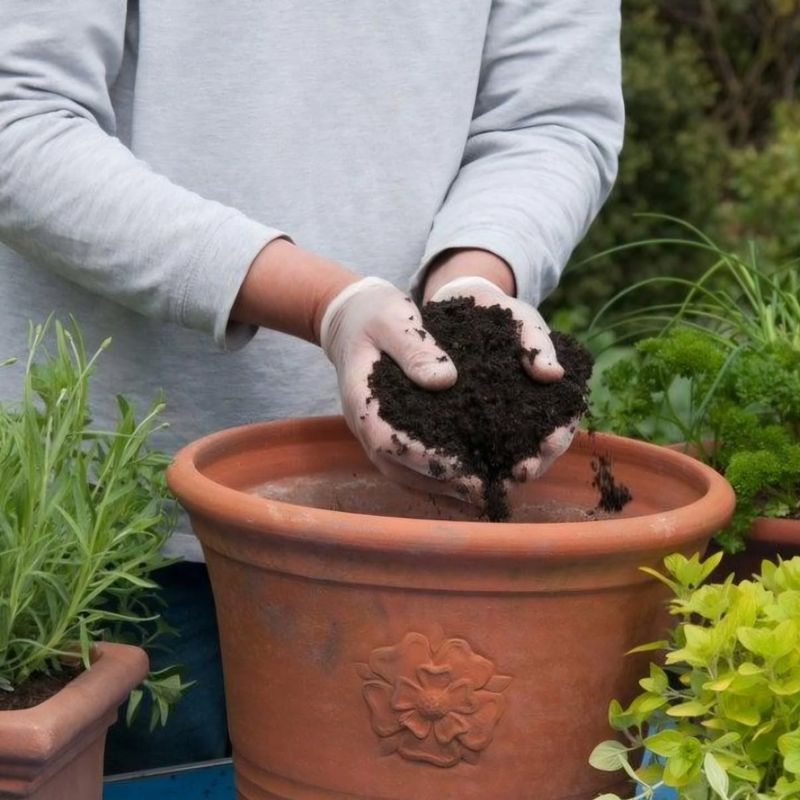
Worm castings, the finished product of vermicomposting, are sometimes called black gold by gardeners, and that nickname is well earned.
The dark, crumbly material that worms leave behind is packed with beneficial microbes, plant-available nutrients, and compounds that support healthy root development. A little goes a long way in the garden.
Raised vegetable beds benefit enormously from a top dressing of worm compost mixed lightly into the soil surface before planting season.
Container gardens and houseplants respond well to small amounts mixed into their potting soil, often showing noticeably better growth and more vibrant color.
Flower beds perk up with a thin layer worked in around established plants, and seed-starting mixes get a real boost when blended with a small percentage of finished worm castings.
One thing to keep in mind is that worm compost works best as a soil amendment or enricher, not as a standalone growing medium.
Planting directly into pure worm castings can actually stress plants because the nutrient concentration is quite high.
Mixing it into existing soil or potting mix at a ratio of about 10 to 20 percent is a practical and effective approach.
Michigan gardeners who use their worm compost this way often notice stronger plants, better moisture retention in the soil, and more productive harvests from their vegetable gardens throughout the growing season.
8. It Helps Gardeners Compost More Consistently
Consistency is one of the biggest challenges with traditional composting.
Outdoor bins require the right balance of materials, regular turning, moisture management, and enough volume to generate the heat needed for decomposition.
When any of those factors fall out of balance, the whole process stalls and gardeners lose motivation fast.
Vermicomposting builds naturally into the rhythm of everyday kitchen life.
Every time you peel a carrot, brew a pot of coffee, or trim vegetables for dinner, you have something ready to go into the bin.
Adding small amounts often keeps the worms fed without overwhelming the system, and the bin stays active and productive without requiring much effort on any given day.
Harvesting finished compost is also simpler than most people expect.
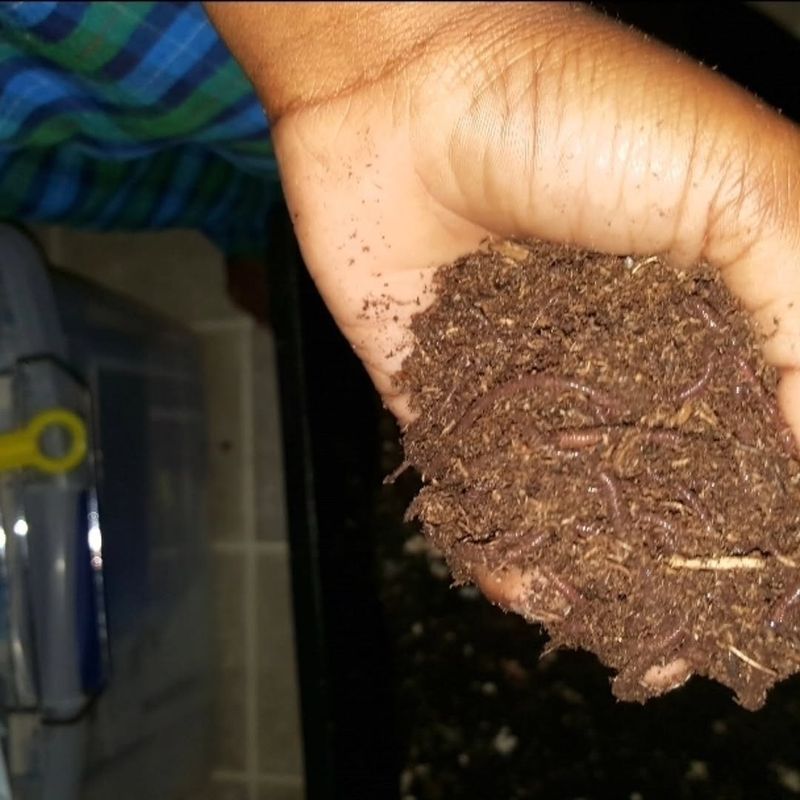
When one section of the bin fills up with dark, finished castings, you can push fresh bedding and food to one side and let the worms migrate naturally toward the new material. After a few weeks, the finished side can be scooped out and used in the garden.
Many Michigan gardeners find that vermicomposting becomes one of the easiest habits they have built around their garden because it is close by, contained, and rewarding in a very tangible way.
Watching kitchen scraps become usable garden material in just a few weeks is genuinely satisfying and keeps people coming back to it.
9. It Still Needs Balance And Care
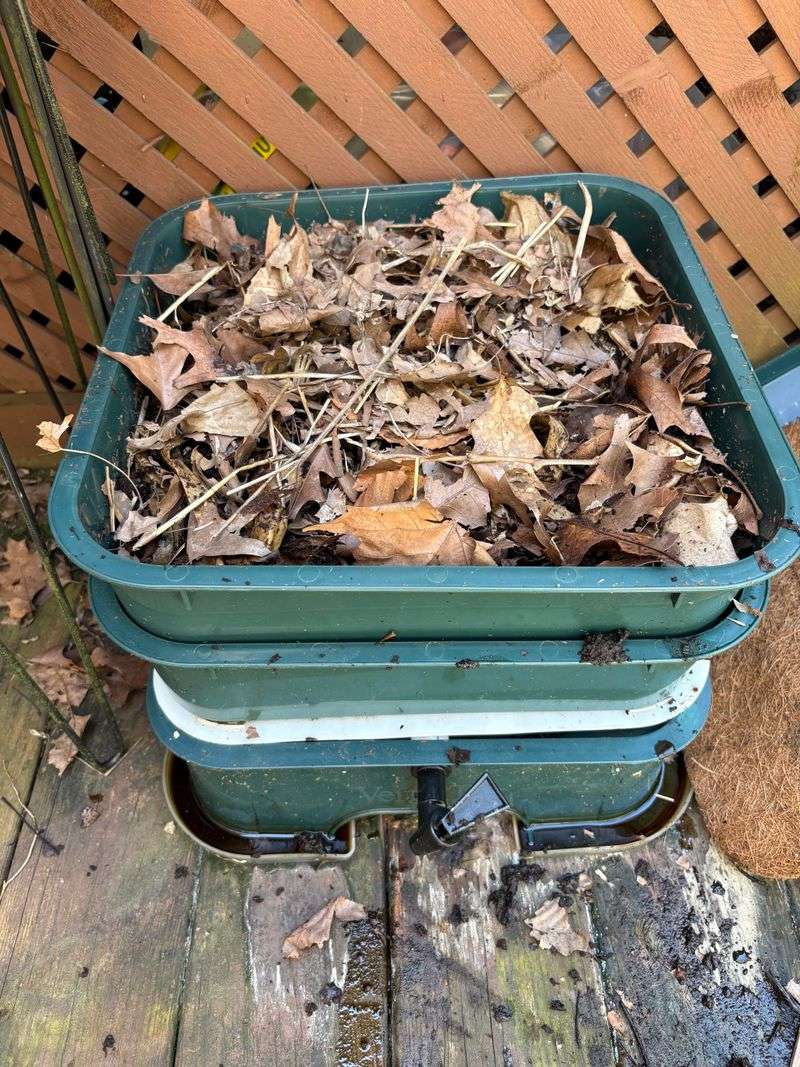
Worms are surprisingly resilient little creatures, but they do have preferences, and ignoring those preferences will slow your bin down quickly. Moisture is one of the most important factors to monitor.
Bedding that is too dry causes worms to struggle, while bedding that is too wet becomes compacted and airless, which leads to unpleasant odors and unhappy worms. Feeding balance matters just as much as moisture.
Overloading the bin with too many scraps at once creates anaerobic pockets where food rots faster than the worms can process it.
Greasy foods, meat, fish, bones, dairy products, oily snacks, and heavily salted foods should stay out of the bin entirely.
Too much citrus at once can also make the bin too acidic for the worms to thrive. Keeping a good ratio of carbon-rich bedding to nitrogen-rich food scraps is what keeps everything running smoothly.
Temperature is another factor Michigan gardeners need to think about, especially in spaces like garages that can get cold in winter.
Red wigglers prefer temperatures between about 55 and 77 degrees Fahrenheit and slow down significantly below that range.
A healthy, well-balanced worm bin smells earthy and pleasant, similar to forest soil after a rain.
If your bin starts smelling rotten or sour, that is a clear signal that something is off and needs adjusting before the problem gets worse.
10. It Works Best Alongside Outdoor Composting
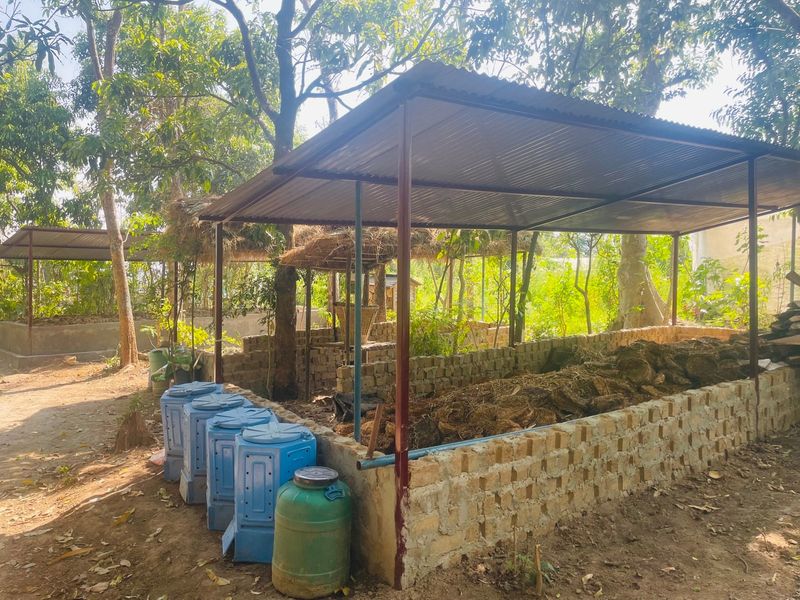
Vermicomposting is powerful, but it was never meant to handle everything.
A worm bin shines brightest when it is paired with a traditional outdoor composting method that can manage the larger volumes of material a yard and garden produce throughout the year.
Together, the two systems cover nearly every composting need a Michigan household has.
Your outdoor compost pile or bin is the right place for fall leaves, garden trimmings, spent plants, straw, wood chips, and other bulky yard waste.
Those materials break down slowly and need the space and airflow that an outdoor setup provides.
Meanwhile, your worm bin handles the steady stream of kitchen scraps that would otherwise go into the trash or overwhelm a standard bin if added too quickly without balance.
For many Michigan households, vermicomposting ends up being the more practical and satisfying of the two methods because it works year-round, fits indoors, and produces finished compost in a matter of weeks rather than months.
It is compact, clean, steady, and genuinely useful no matter what season it is outside.
Whether you live in a Detroit suburb, a small town in the Upper Peninsula, or anywhere in between, adding a worm bin to your gardening routine is one of the most rewarding steps you can take toward a more productive and sustainable garden.
Starting small with a single bin is all it takes to see real results.