Heat-Tolerant Sweet Potatoes You Can Grow Without The Fuss Or Struggle In Florida
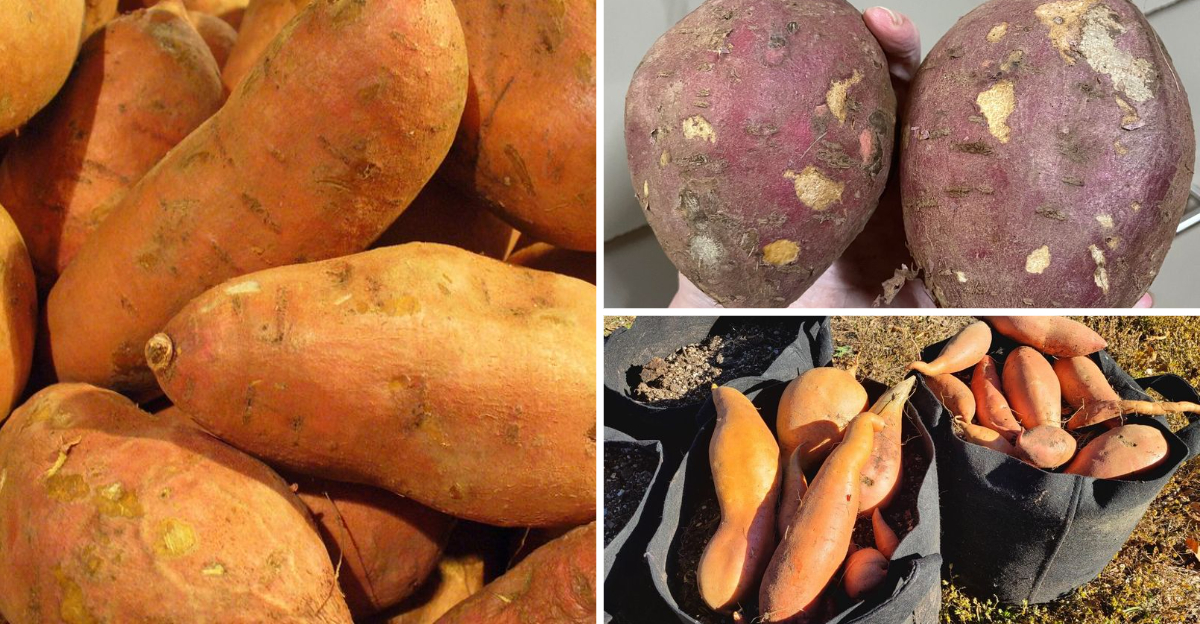
Florida’s climate practically dares gardeners to grow something delicate, so sweet potatoes, with their thick skin for heat and hustle, feel like the perfect rebellious choice. Sandy soil and merciless sun aren’t obstacles here; they’re an invitation.
Anyone who’s watched lettuce wilt by 10 a.m. knows this state plays by different rules. Sweet potatoes shrug off that same sun like it’s nothing, turning long humid stretches into exactly the kind of runway they need to sprawl and swell underground.
This isn’t a list for gardeners chasing perfection. It’s for the ones with cracked clay pots, uneven beds, and zero patience for fussy plants that sulk at the first sign of a heat wave.
Eight varieties made the cut, each one built to handle Florida’s particular brand of chaos, and still reward you with a harvest worth bragging about.
1. Beauregard Sweet Potatoes Thrive In Florida Gardens
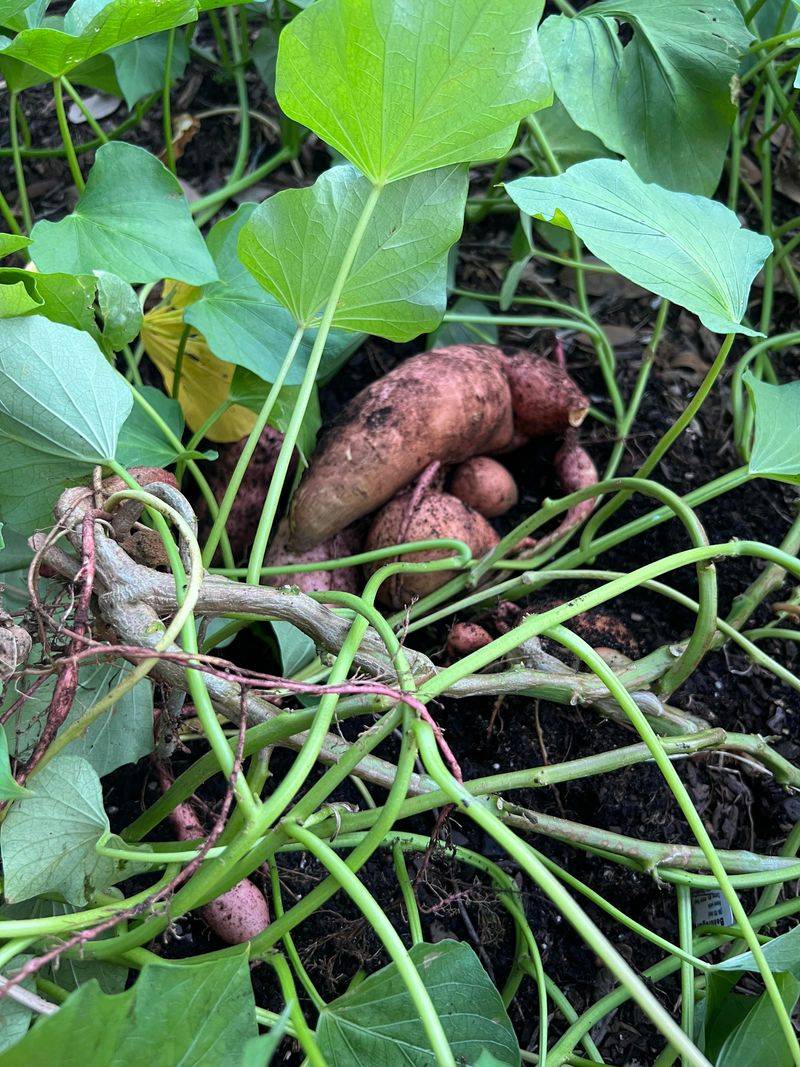
Beauregard is the superstar of heat-tolerant sweet potatoes grown across the American South. Farmers and home gardeners alike have trusted this variety for decades because it simply delivers.
The roots develop quickly in warm soil, often ready to harvest in just 90 days. That speed makes Beauregard a top pick for Florida growers who want results without a long wait.
Its skin is a smooth reddish-purple, and the inside glows a deep orange that looks stunning on any plate. The flavor is naturally sweet, making it a crowd-pleaser at family dinners and backyard cookouts.
Beauregard handles humidity like a champ, which is huge in a state where summer air feels like a warm wet blanket. Fungal issues that plague other varieties tend to skip right past this one.
Planting slips in raised beds or mounded rows gives the roots room to spread out comfortably. Loose, well-drained soil helps avoid rot and encourages those big, beautiful tubers to form.
Water consistently during the first few weeks after planting, then ease back as the vines take hold. Overwatering is actually the most common mistake new growers make with this variety.
Beauregard also resists several common soil diseases, which saves you from headaches down the road. Growing heat-tolerant sweet potatoes like this one is genuinely one of the easiest gardening wins available to you.
2. Centennial Sweet Potatoes Offer Reliable Summer Yields
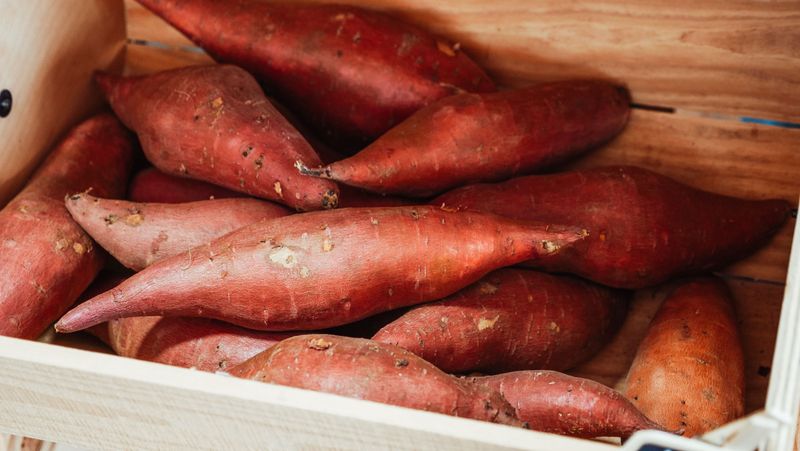
Picture opening a storage bin in October and finding it packed with plump, perfectly formed sweet potatoes. That is the Centennial experience, and it never gets old.
This variety was developed specifically for hot, humid growing conditions, which makes it a natural fit for Florida summers. It produces consistently high yields even through the peak of Florida’s summer heat.
Centennial slips establish fast after transplanting, which means less time babysitting your garden and more time enjoying it. The vines spread vigorously and shade the soil, naturally reducing weed pressure.
The skin is a warm copper-orange, and the flesh inside matches that beautiful color perfectly. Roasted, mashed, or baked into a pie, Centennial delivers a rich, sweet flavor every single time.
Your Florida Garden Changes Every Week. Your Plan Should Too.
Gardening in Florida changes quickly throughout the season. Every Friday you’ll receive a simple weekly plan showing exactly what to plant, prune, fertilize, harvest, and protect so you never miss the right timing.
One thing growers love about Centennial is its storage life. These tubers can last several months in a cool, dry space without losing quality or flavor.
Curing the roots after harvest is key to bringing out their best sweetness. Just leave them in a warm, humid spot for about a week before moving them to long-term storage.
Centennial is also relatively resistant to cracking, which happens when roots grow too fast after heavy rain. Consistent watering throughout the season helps keep the skin smooth and intact.
For anyone chasing reliable summer yields with minimal drama, Centennial earns its spot on this list of heat-tolerant sweet potatoes without any argument.
3. Vardaman Sweet Potatoes Suit Compact Garden Spaces
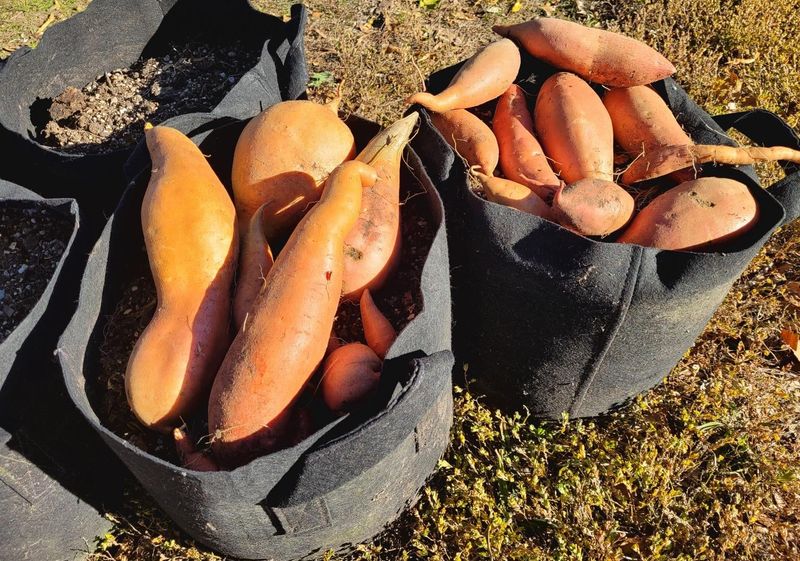
Not every gardener has a sprawling half-acre to work with, and Vardaman was practically born for smaller spaces. Unlike most sweet potato varieties that vine wildly in every direction, Vardaman grows in a compact, bushy habit.
This makes it ideal for raised beds, container gardens, and tight urban plots where space is a serious premium. You can grow a productive patch without sacrificing your entire yard to roaming vines.
The leaves are a striking deep purple when young, which adds a decorative touch to any garden corner. As the plant matures, the foliage shifts to a rich green that looks lush and full.
Vardaman produces golden-yellow skin tubers with a bright orange interior that tastes sweet and earthy. The compact size of each root makes them easy to cook whole, which is a nice bonus on busy weeknights.
This variety handles heat well and does not need much fussing once established. A layer of mulch around the base helps retain moisture and keeps the root zone cooler on brutal summer days.
Fertilize lightly at planting and again about six weeks in for best results. Too much nitrogen will push leafy growth at the expense of root development, so keep it balanced.
Vardaman matures in around 110 days, which fits nicely into a spring planting schedule. Heat-tolerant sweet potatoes like Vardaman prove that small gardens can still produce serious harvests worth celebrating.
4. Hernandez Sweet Potatoes Handle Hot Climates With Ease
Unpredictable summer storms make timing tricky for any gardener. Hernandez sweet potatoes are built to handle that pressure with steady, reliable growth.
This variety reaches maturity in about 100 days, a solid mid-season pace that still beats Florida’s unpredictable rainy season. Getting a full harvest before the rainy season peaks is a genuine advantage.
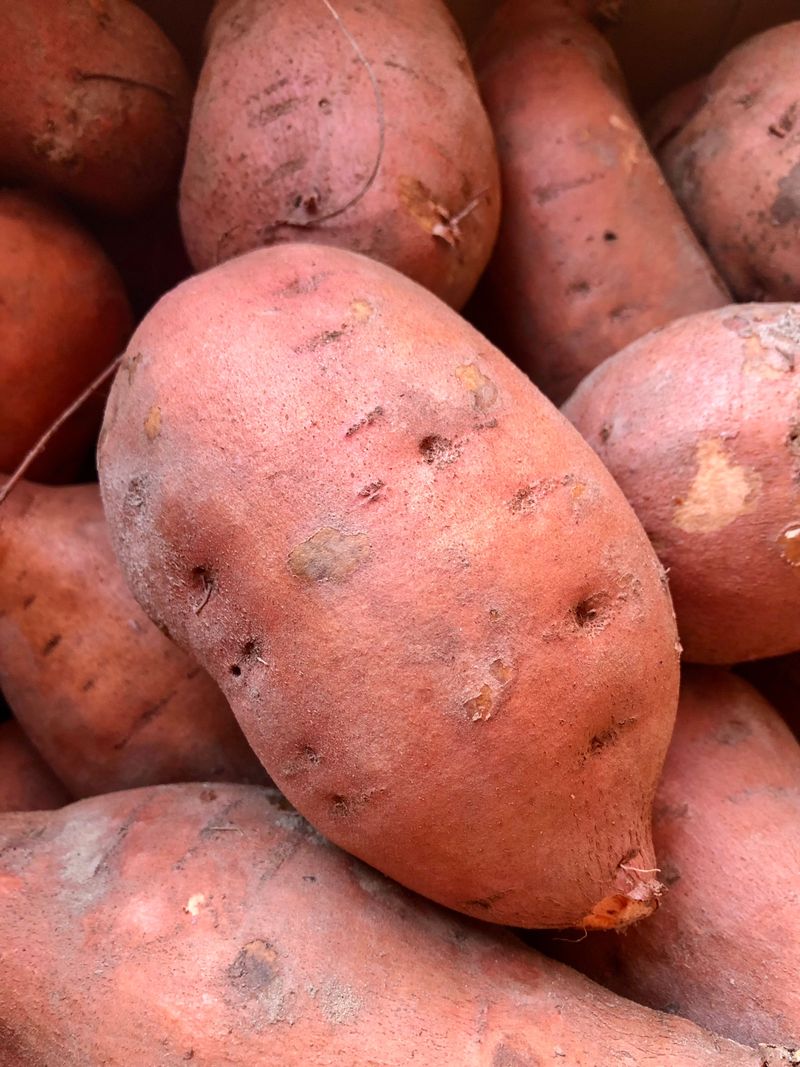
Hernandez produces tubers with a coppery, dark orange skin that looks almost jewel-like when pulled from the earth. The flesh inside is a vivid orange, moist, and naturally sweet without being overpowering.
Flavor-wise, Hernandez holds its own against any variety on this list. It bakes beautifully and holds its shape when roasted, which makes it a kitchen favorite for savory dishes.
The plant itself is vigorous and spreads quickly once the roots take hold. That fast vine growth shades out competing weeds, saving you hours of tedious hand-pulling in the summer heat.
Hernandez performs especially well in sandy, well-drained soils common across central and northern parts of the state. Amending with compost before planting gives the roots a nutritional boost that pays off at harvest.
Hernandez shows decent resistance to soil rot and white grubs, which makes it a dependable choice for sandy Florida beds.
If you want heat-tolerant sweet potatoes that finish fast and taste fantastic, Hernandez is a name you will not forget after your first harvest.
5. Jewel Sweet Potatoes Resist Common Florida Pests
Pest problems can turn a promising garden season into a frustrating mess fast. Jewel sweet potatoes come with a built-in advantage that makes pest management far less stressful.
This variety shows strong natural resistance to several insects and soil-borne pathogens that commonly trouble warm-climate gardens. Fewer pest problems mean less time spraying and more time actually enjoying your garden.
Jewel has been a trusted variety since the 1970s, and its staying power speaks for itself. Generations of home gardeners have returned to it season after season because it simply works.
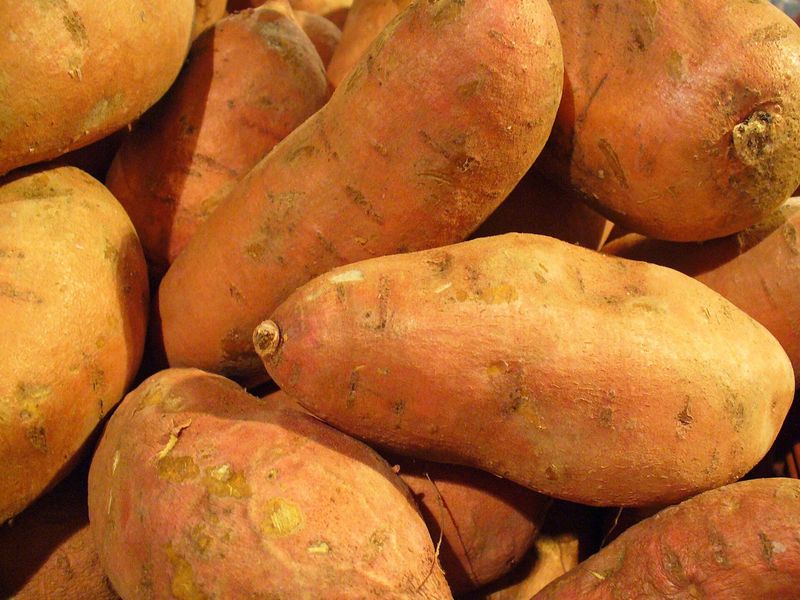
The skin is a smooth copper-orange, and the flesh is a rich, moist orange that bakes up soft and fragrant. Jewel has a classic sweet potato flavor that feels like comfort food from the very first bite.
Vines grow moderately, covering the soil without swallowing up the whole garden. That balanced growth habit makes Jewel easier to manage than more aggressive spreading varieties.
Plant slips about 12 to 18 inches apart in rows with good airflow to reduce humidity around the foliage. Good airflow goes a long way toward keeping fungal issues away.
Jewel also stores well after harvest, maintaining its flavor and texture for months in proper conditions. Curing the roots at around 85 degrees for a week before storage is the secret to long-lasting quality.
Heat-tolerant sweet potatoes like Jewel show that resistance and flavor can absolutely go hand in hand in your garden.
6. Covington Sweet Potatoes Deliver Rich Flavor And Color
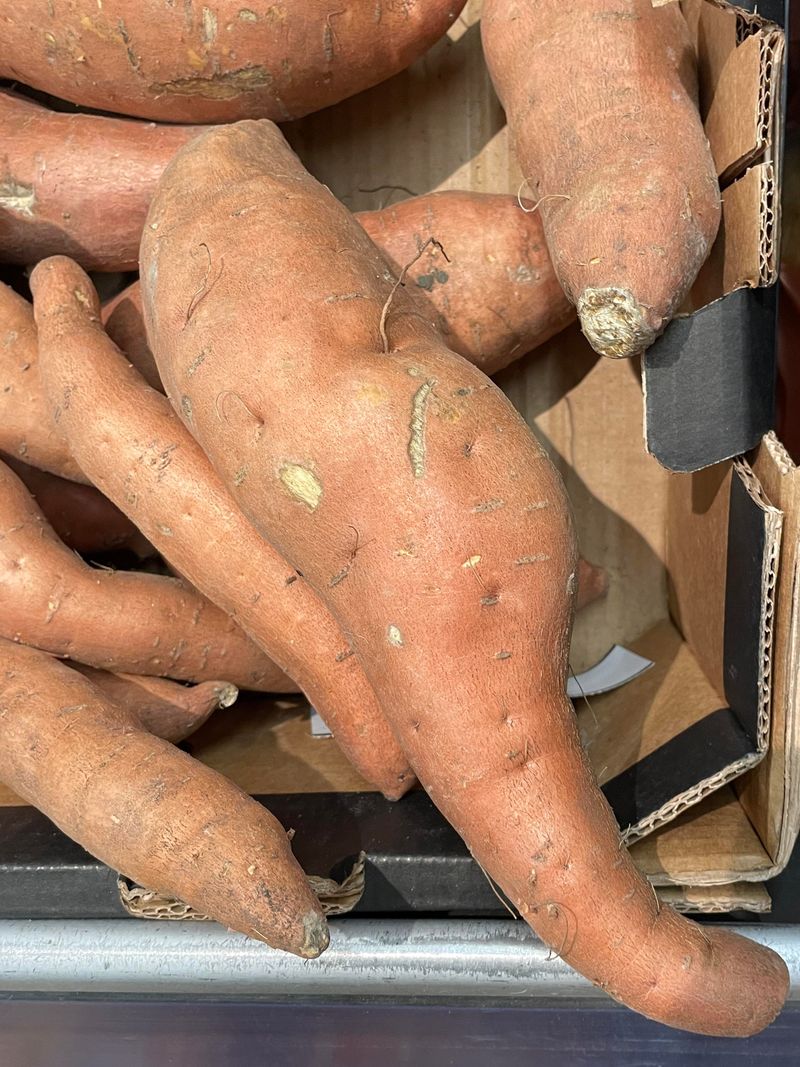
Some vegetables look good but taste bland, and Covington is the opposite of that in every possible way. This variety delivers bold color and genuinely memorable flavor in every single bite.
Developed by North Carolina State University, Covington quickly became a commercial favorite across the Southeast. Its performance in hot, humid conditions made it a natural choice for home growers chasing that same quality.
The skin is a rosy copper-pink, and the flesh is a deep, saturated orange that practically glows. High beta-carotene content gives Covington that intense color and adds a real nutritional bonus to every meal.
Flavor-wise, Covington is sweet, moist, and smooth after cooking. It caramelizes beautifully when roasted, making it a standout side dish that needs almost no seasoning to impress.
The plants are vigorous and establish quickly after transplanting slips into warm soil. Once the vines take off, they need very little attention beyond occasional watering during dry spells.
Covington shows solid tolerance to common soil diseases and handles the wet-dry cycles of a Florida summer without cracking or splitting. That resilience makes it a low-maintenance choice for busy gardeners.
Harvest typically happens around 100 to 120 days after planting slips in the ground. Waiting until the vines begin to yellow slightly is a good natural signal that the roots are ready.
Among heat-tolerant sweet potatoes, Covington stands out as a variety that rewards patience with flavor and color that genuinely impresses at the dinner table.
7. Murasaki Sweet Potatoes Bring A Sweet Nutty Twist
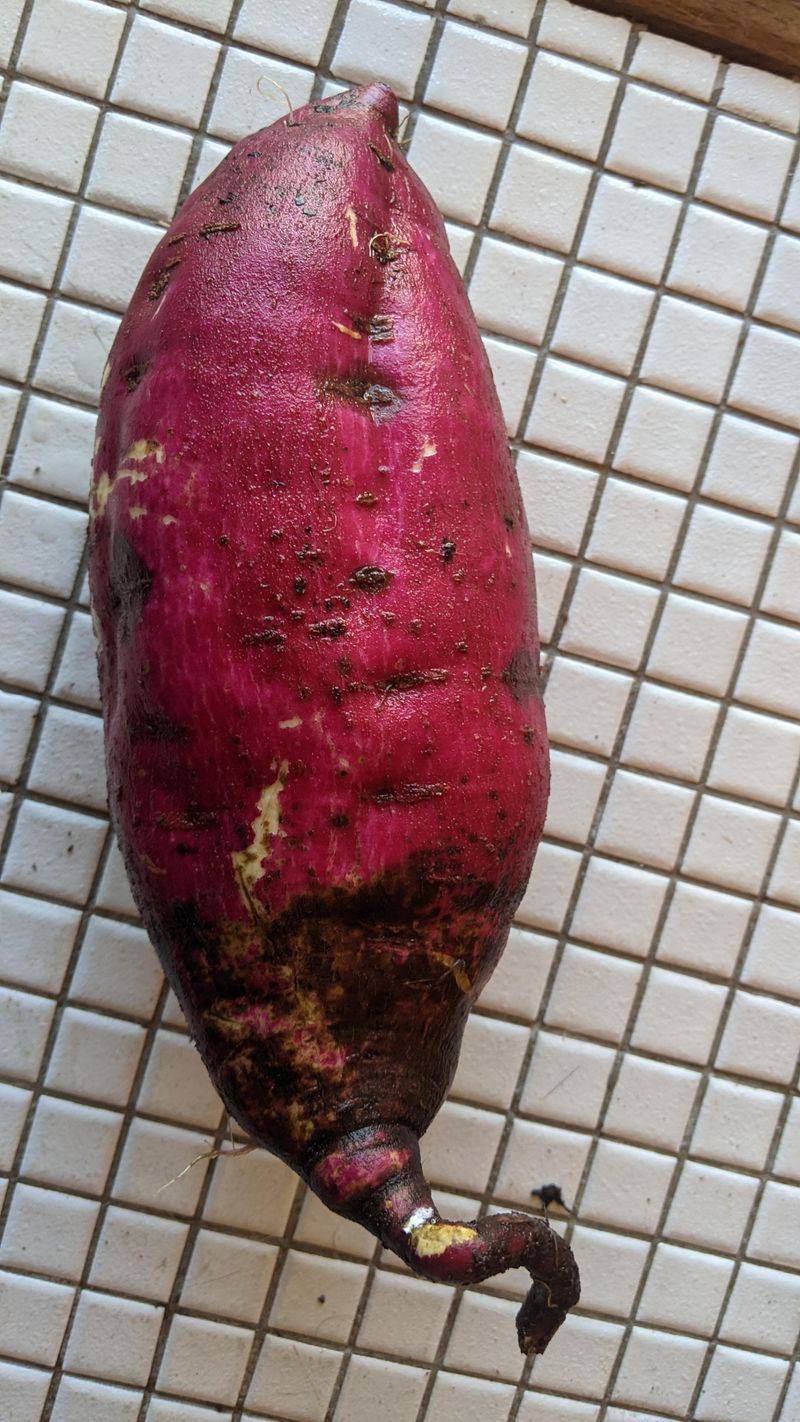
White flesh inside a purple-skinned sweet potato sounds unusual, but one taste of Murasaki and the surprise turns into pure appreciation. This Japanese-origin variety brings something genuinely different to the garden and the kitchen.
Murasaki means purple in Japanese, and the deep violet skin lives up to that name beautifully. The interior, however, is a creamy white that has a drier, starchier texture than the typical orange-fleshed types.
The flavor is subtly sweet with a nutty undertone that pairs well with savory seasonings. Roasted with olive oil and sea salt, Murasaki becomes something almost addictive on the dinner table.
This variety handles Florida heat surprisingly well, thriving in the long, warm growing seasons the state offers. The vines are productive and spread at a manageable pace without overtaking everything nearby.
Murasaki prefers well-drained soil and does not tolerate waterlogged conditions, so raised beds or mounded rows are your best bet. Good drainage plays a major role in getting a strong harvest.
The skin of Murasaki is thicker than most varieties, which actually helps protect the roots from minor soil insects. That tougher exterior also contributes to an impressive shelf life after harvest.
Curing Murasaki properly is especially important because it helps convert starches to sugars and deepen the flavor. Give the roots a full ten days in a warm, humid space before moving them to cooler storage.
If you want heat-tolerant sweet potatoes with a personality all their own, Murasaki is a must-try that will change how you think about this crop.
8. Boniato Sweet Potatoes Handle Sandy Soil With Ease
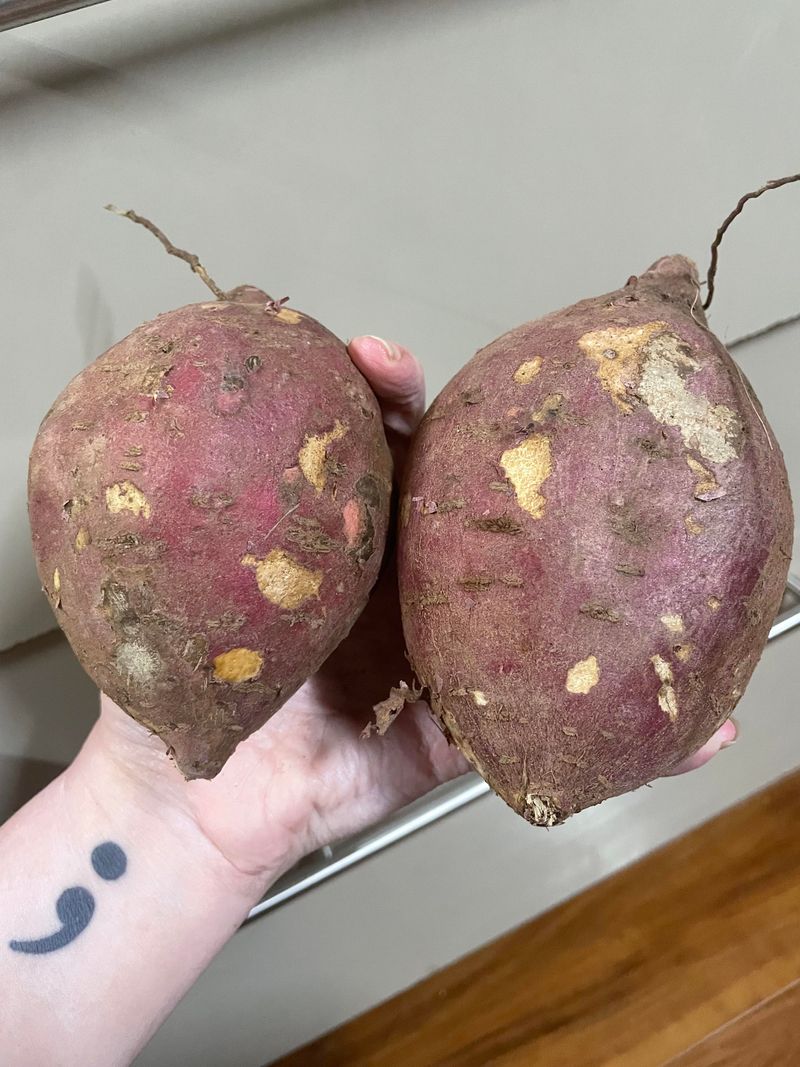
Sandy soil is the defining challenge of gardening across much of the state, and most crops throw a fit when they hit it. Boniato sweet potatoes, on the other hand, practically celebrate it.
Also called the Cuban sweet potato, Boniato has deep roots in Caribbean and Latin American cooking traditions. It found a natural home in warm, sandy coastal soils where other crops struggle to survive.
The skin is a rough, pinkish-white that looks nothing like a typical sweet potato from the grocery store. Inside, the flesh is white and dry, with a mildly sweet, chestnut-like flavor that stands apart from all others on this list.
Boniato is less sweet than orange-fleshed varieties, which actually makes it more versatile in the kitchen. It works beautifully in soups, stews, and savory roasted dishes where a subtler flavor is preferred.
This variety thrives in low-fertility sandy soils without needing heavy fertilization. Adding a modest amount of balanced fertilizer at planting is usually enough to get a strong, productive crop going.
Boniato vines grow vigorously and provide excellent ground cover that suppresses weeds naturally. The spreading habit also helps retain soil moisture in those fast-draining sandy beds where water disappears quickly.
Harvest timing is important with Boniato because the roots do not store as long as other varieties after digging. Plan to use them within a few weeks of harvest for the best flavor and texture.
For anyone dealing with sandy conditions, Boniato proves that heat-tolerant sweet potatoes can turn even the most challenging soil into a genuinely productive and rewarding garden space.