Why You Should Grow More Oregano In Your Ohio Garden Right Now
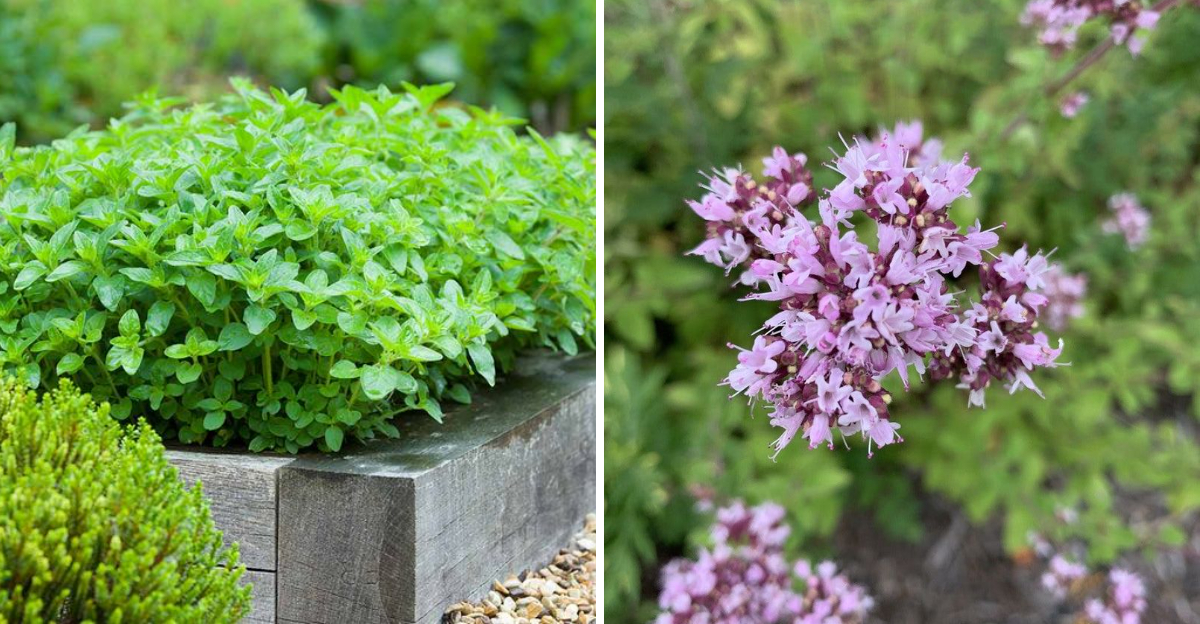
Late August can make an Ohio herb bed look like it has spent the summer on double shifts.
Basil gets tired. Cilantro has left the leafy stage behind. A few annual herbs lose the tidy shape they had in June.
Oregano has plenty to offer.
Its leaves remain useful in the kitchen. Flower clusters can draw bees and other pollinators. Established plants handle sunny, relatively dry sites well, and extra stems can head straight to an herb rack for winter meals.
Ohio State includes oregano among herbs that attract many pollinators.
So why give this herb more space right now?
Late summer shows what oregano can do when other herbs start to fade. It can supply harvests, flowers, fragrance, and future divisions from one patch.
There is one Ohio catch worth noting.
Winter survival depends on the type and drainage. Common oregano can be marginal in colder sites, while some culinary selections are less hardy.
Give it sun, sharp drainage and sensible limits.
That herb may earn space next year.
1. Late Summer Flowers Give Pollinators Another Food Stop
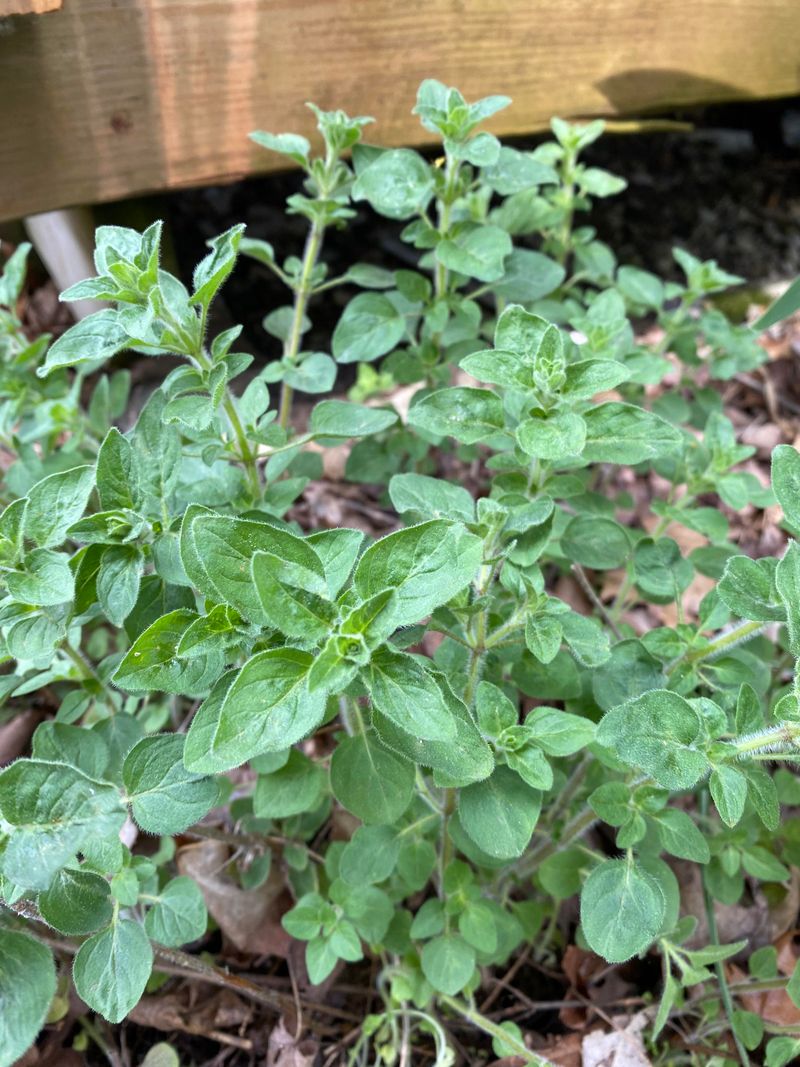
Late summer flowers give oregano a job that has nothing to do with tomato sauce.
Ohio State lists oregano among herbs that attract many pollinators. Once small white, pink, or lavender flowers open, bees and other flower visitors can work across the clusters while gardeners still take leaves from the same plant.
Leave part of the clump untouched for a while.
Cut kitchen stems from one side and let several flower stalks remain on the other. That simple split keeps fresh leaves within reach without the loss of every bloom from the herb bed.
Place oregano where sun reaches it well. Strong light supports compact growth and gives flower visitors an easy, open access point.
Avoid pesticide sprays across open blooms unless a labeled treatment becomes truly necessary, and keep any application away from active pollinator periods.
The plant does not need to become a permanent flower patch.
After bloom fades, remove spent stalks before seed spread becomes a nuisance. A light cut can also tidy the clump while some leafy stems remain for late harvests.
Give one oregano plant permission to look less like a clipped grocery herb and more like a perennial in bloom.
The bees may arrive before you notice the first blossom.
That is a pretty good argument to keep part of the oregano patch in flower and send only selected stems toward the kitchen.
2. August Harvests Keep The Kitchen Supplied
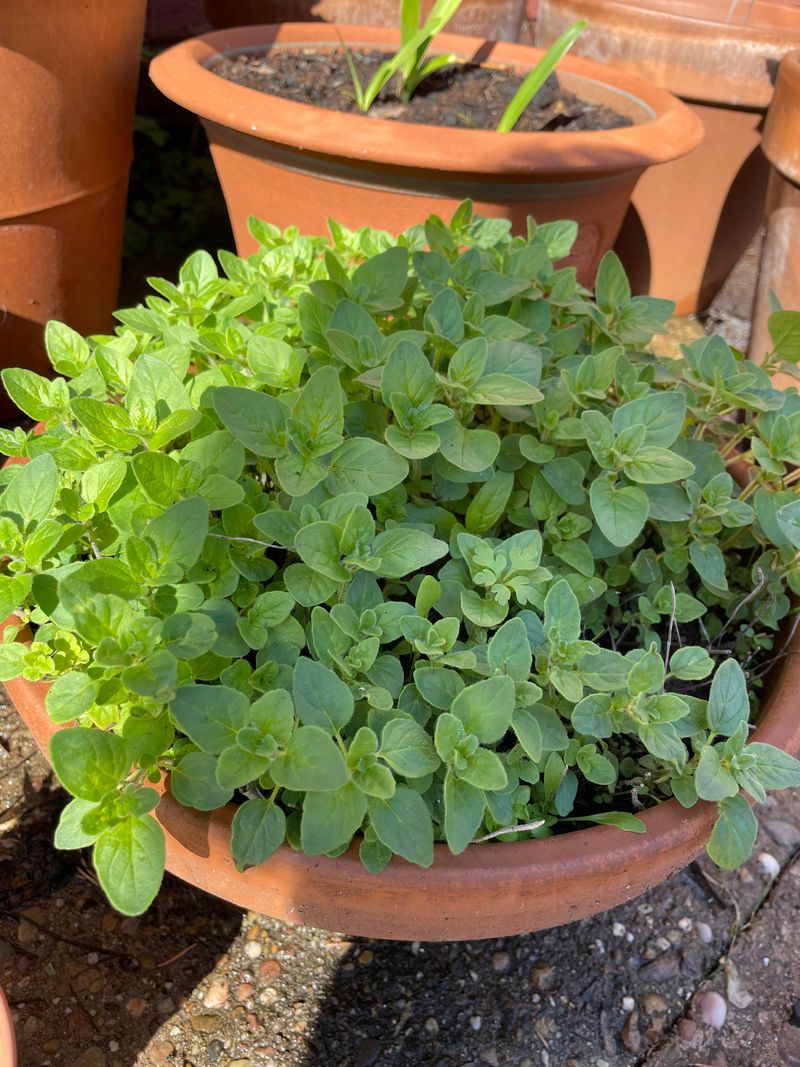
Late August is still harvest season for oregano, and the plant can handle regular cuts and still stay useful.
Ohio State lists fresh oregano for tomato sauces, soups, eggs, cheese, pork, vegetables, salad dressings, and barbecue sauce. That range gives one clump plenty of reasons to stay close to the kitchen door.
Take stems rather than pluck random leaves.
Use clean snips and cut above a leafy node so the plant keeps a tidy shape. Avoid a severe haircut across the whole clump at once. Leave enough foliage to support the plant through the rest of summer and into fall.
Your Ohio Garden Changes Every Week. Your Plan Should Too.
Gardening in Ohio changes quickly throughout the season. Every Friday you’ll receive a simple weekly plan showing exactly what to plant, prune, fertilize, harvest, and protect so you never miss the right timing.
Give the freshest stems first priority at dinner.
Fresh oregano has a softer flavor than the dried herb, so add it to sauces, roasted vegetables, beans, marinades, or a tomato salad where the leaves can do more than decorate the plate.
Taste your plant before a large harvest too. Culinary oregano types can differ considerably in strength.
Regular use also helps prevent a woody tangle in the herb bed.
A few small cuts through August keep stems within reach and make it easier to spot tired growth near the center. Save a larger preservation harvest for healthy stems that still carry good aroma.
Oregano is one of those rare late-summer plants that gives something back every time you walk past with scissors.
The tomatoes may own August dinner, but oregano gets a very strong second role.
3. Sunny Dry Beds Become Useful Oregano Space
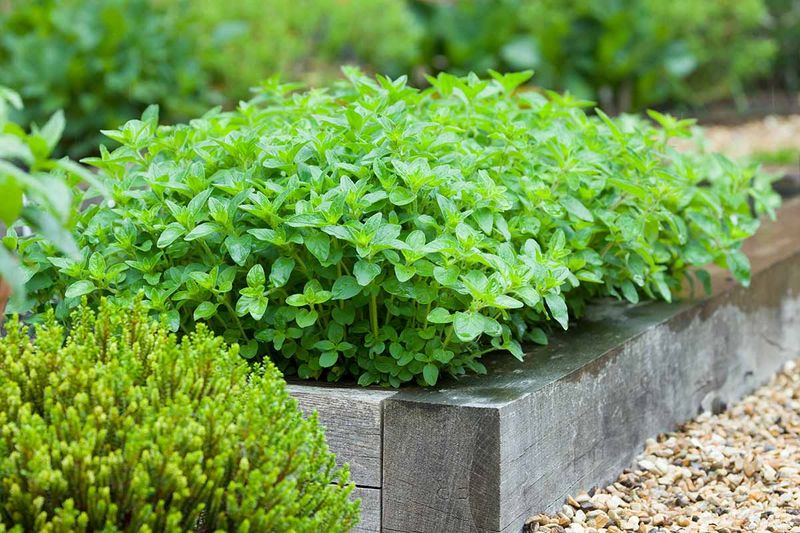
A sunny bed with lean soil can become prime oregano territory instead of a garden problem.
Oregano performs best in full sun and well-drained soil. Established plants also tolerate dry conditions better than many softer herbs, which gives this Mediterranean perennial an advantage through hot Ohio stretches.
Put that toughness to work where it helps most.
Place a plant along a sunny path, on a slight slope, near the edge of a raised bed, or in another spot where water leaves the root zone promptly.
Check new transplants more often at first, since drought tolerance improves after roots reach beyond the original root ball.
Heavy Ohio clay needs a better strategy than a scoop of sand.
A small amount of sand mixed into clay can create a denser root zone rather than the open drainage oregano needs. Use a broad raised bed, mound, or container with a quality container mix when the native soil stays wet after storms.
Skip the richest section of the garden too.
Oregano does not require constant fertilizer to perform well. Moderate fertility and strong light can support sturdy growth without the lush, floppy stems that come from excess nitrogen.
Give the plant the difficult sunny seat that basil may demand more water to occupy.
Oregano will not make a swampy bed behave, but it can make a dry, sharply drained corner look intentional.
That turns one awkward patch into useful herb space with very little drama.
4. One Plant May Return For Another Ohio Season
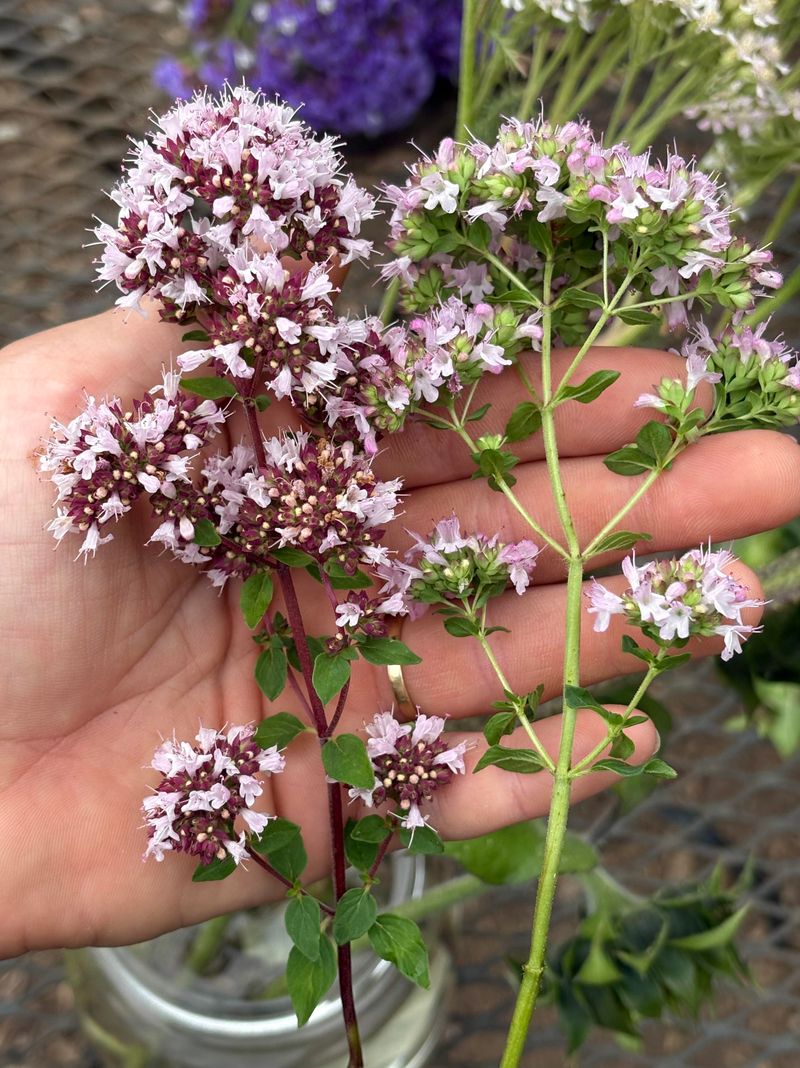
One oregano plant can return for more than one Ohio season, but winter drainage decides much of the outcome.
True oregano, Origanum vulgare, is a perennial, though Extension references describe it as only marginally hardy in Zone 5.
Some desirable culinary types can be less reliable through cold winters, so the plant label matters as much as the common name.
Give the crown every advantage before cold weather arrives.
Choose a sunny site where water drains quickly after autumn rain and winter thaw. Wet soil around the crown can cause more trouble than low temperature alone. Raised beds and slopes often provide a better winter home than flat clay that stays saturated.
Delay heavy mulch until the soil has frozen.
A light winter cover of straw or evergreen boughs can help protect a marginally hardy oregano plant, then that protection should come off as spring growth resumes. Avoid a thick wet pile directly over the crown.
Mark the spot before the foliage turns tired.
That label protects the crown from an early spring shovel strike before fresh shoots appear. Wait for new green growth before you judge what survived.
Do not promise every cultivar a triumphant return.
Ohio winters vary, and so do oregano types.
A well-drained site gives the plant a fair chance to come back, which makes one small herb purchase potentially useful for several seasons instead of one.
5. Oregano Makes Tough Sunny Corners Less Demanding
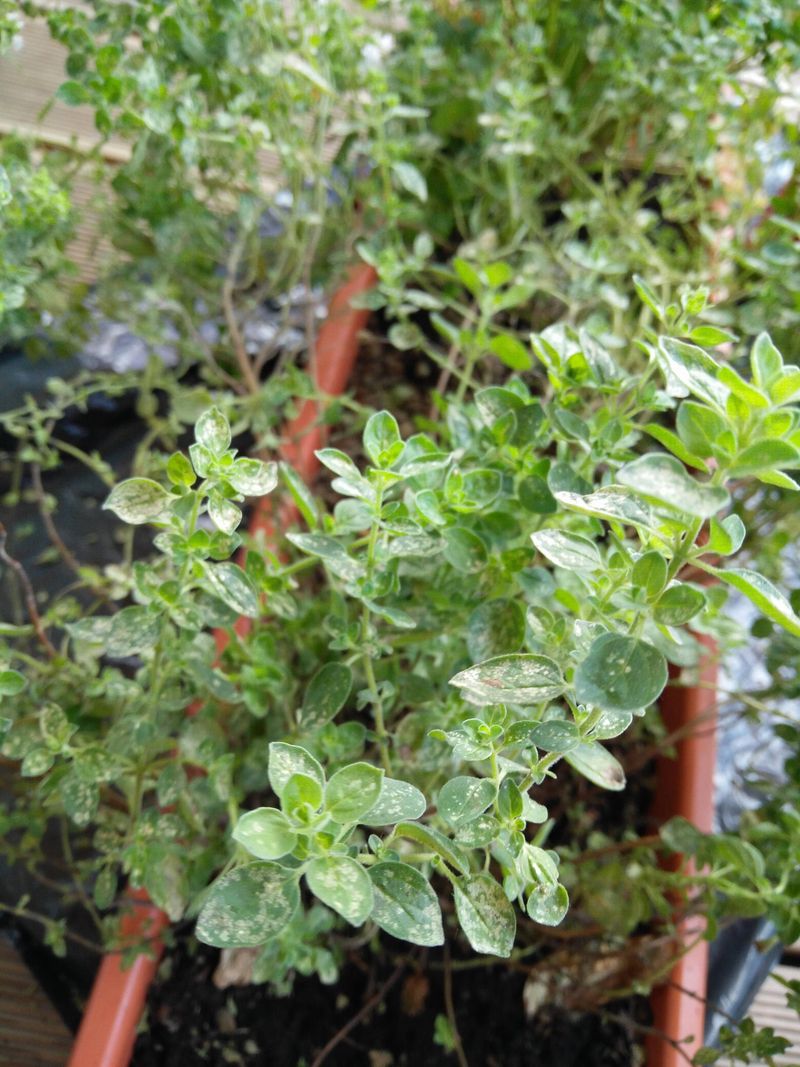
Oregano earns extra space because it can succeed where a fussier herb bed would ask for constant attention.
Once established, the plant prefers full sun, sharp drainage, and relatively dry soil. It also tends to have few serious pest or disease problems under suitable conditions, which makes it a practical choice for a low-maintenance corner.
Use that habit rather than work against it.
Give oregano a gravel-edged border, raised bed, sunny slope, or container where excess water can leave quickly. Leave richer, wetter ground for herbs that appreciate more moisture.
Give the clump enough space as it broadens.
About a foot between young plants gives air room to move through the foliage and makes harvest easier. Crowded stems can trap moisture through humid Ohio weather, especially after a storm.
Extension recommendations commonly place mature oregano plants about a foot apart.
Keep fertilizer modest.
A soil test can guide any real nutrient need. Routine heavy fertilizer use rarely helps a herb that already performs well in lean conditions.
The same restraint applies to water once roots establish. Check the soil rather than soak the plant on a fixed schedule.
This is the herb for the section of the bed that does not need a daily pep talk.
Give it sun. Keep the roots out of pooled water. Snip what you need.
That small list of demands leaves more time for vegetables, flowers, and the one zucchini plant that somehow turned into a household management problem.
6. Extra August Stems Become Winter Pantry Supplies
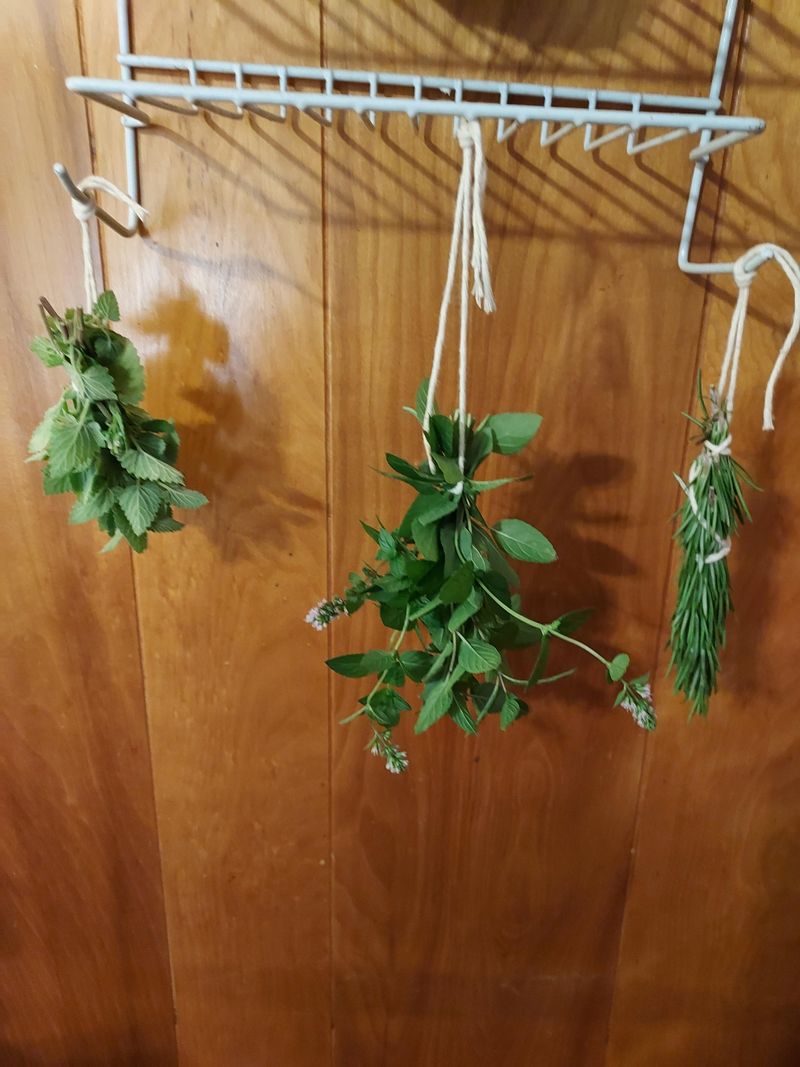
Late summer gives Ohio gardeners a chance to turn one oregano clump into a winter pantry supply.
Cut healthy stems before seed forms, then sort out damaged or dirty leaves. Ohio State recommends low humidity and good air circulation for air-dried herbs, but it also warns that Ohio weather does not always cooperate with that method.
Use the house, not a humid porch, when the air feels heavy.
Tie small stem bundles and place them indoors in a dry area with steady air movement. Keep them away from sinks, dishwashers, and other sources of moisture. The leaves are ready once they crumble easily and the stems break rather than bend.
A dehydrator gives you another route.
Ohio State recommends about 95 to 115 degrees Fahrenheit for herbs, with many batches ready within one to four hours. Check the leaves rather than trust the clock alone, since stem size and moisture can change the pace.
Store fully dry oregano in an airtight container away from heat and light.
Label the jar with the date, then crush leaves closer to the time of use so more aroma stays trapped until dinner.
Give your best August stems this job rather than leave every extra branch to age on the plant.
January pasta sauce tastes much less bleak when the herb jar came from your own yard, and oregano happens to preserve that little piece of summer very well.
7. Flowers And Flavor Share The Same Patch
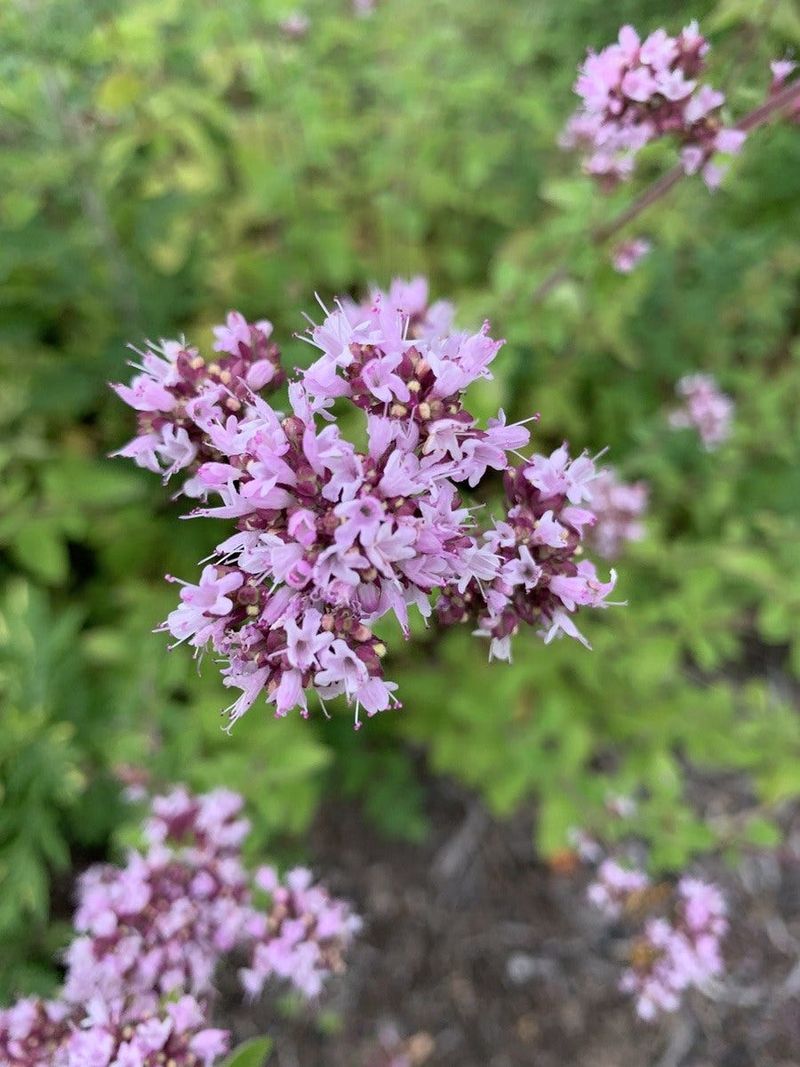
Oregano does not force you to choose between an edible herb and an attractive late-summer plant.
The leaves bring the familiar savory flavor, while flower clusters soften the herb bed and draw pollinators. Ohio State specifically includes oregano among herbs that can attract many pollinators, so the flowers have value beyond looks.
Use placement to enjoy both jobs.
Set the clump near a path, patio edge, or sunny vegetable bed where a hand can reach the leaves without damage to the flower stalks. Leave several stems untouched for bloom and take kitchen cuts from the outer portion.
Brush a stem as you pass.
The foliage releases its strong scent with very little contact, which gives the bed another sensory layer without another ornamental plant.
The flowers stay modest enough to blend with coneflowers, salvias, or other late-season color rather than dominate the border.
Avoid a hard cut across every stem at peak bloom.
That removes the pollinator value in one afternoon. A selective harvest keeps both sides of the plant useful and still gives the clump a neat outline.
This dual role is the reason oregano deserves more than a forgotten corner beside the thyme.
One patch can season dinner, add fragrance beside the path, and carry small flowers through part of late summer.
That is a lot of work from a herb most people only notice once the pizza sauce needs help.
8. Mature Clumps Can Become More Plants For Free
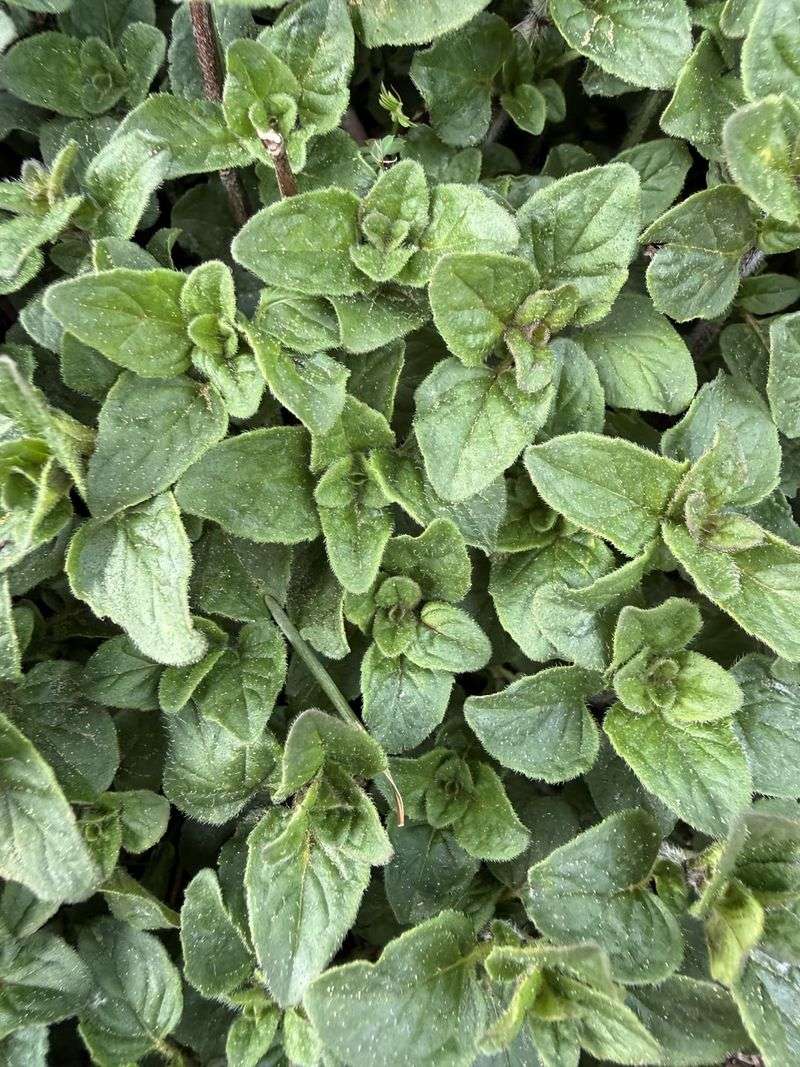
An established oregano clump can become the cheapest source of more oregano in the garden.
Division is an easy way to multiply this perennial. Illinois Extension specifically lists oregano among herbs that divide readily, so a healthy clump can supply starts for another bed, a container, or a neighbor.
Use mature plants rather than tiny first-year starts.
Wait for a cool spell, then lift a portion of the clump with enough roots attached to support the stems above. Replant that section at the same depth in a sunny, well-drained site and water it thoroughly so soil settles around the roots.
Keep the new division modest in size.
A manageable piece suffers less disruption than a giant chunk dragged across the yard. Trim excessive top growth where needed and keep soil moisture steady until the roots regain contact with the nearby bed.
Late summer can still be useful for future placement, even when you choose spring as the safer division time for a colder Ohio site.
Mark dry, sunny gaps now while the garden is fully leafed out.
That prevents a spring decision based on bare soil and faulty memory.
A mature oregano clump does not need to become one enormous herb island.
Split it, share it, or move part of it into another difficult sunny spot.
One plant can quietly become several, which may be the strongest reason of all to give oregano a larger role in the herb bed.