Before You Plant A Florida Red Maple, Know These Wet-Season Facts
Red maples have a reputation as an easy, no-fuss Florida tree, and that reputation is only half true.
You’d plant this tree expecting minimal effort based on what everyone tells you, but Florida’s wet season changes the equation in ways most homeowners don’t see coming.
Where you place it matters far more than people assume, and a few conditions tied to standing water and root behavior can turn an easy tree into a struggling one fast.
Drainage plays a bigger role than most buyers realize at the nursery, and so does timing your planting around the rainy months instead of against them.
Know these details before you dig a single hole this season. What works for a red maple in one yard can backfire completely in another just down the street.
1. Red Maple Actually Likes Wet Florida Soil
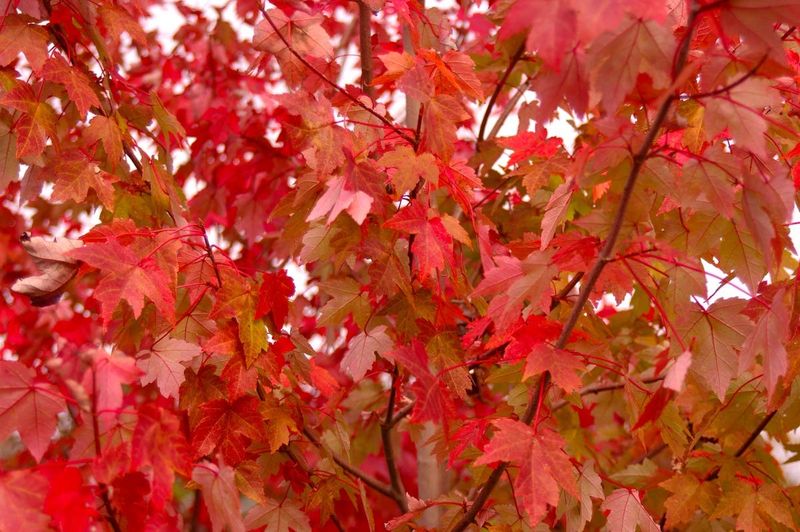
Nicknamed the swamp maple for good reason, Acer rubrum spent thousands of years growing along river edges, cypress domes, and low wet flatwoods. Red maple tolerates wetter conditions better than many common landscape trees.
It performs best in moist, acidic soil loaded with organic matter. Short stretches of freshwater flooding are handled without much fuss, which is exactly the kind of weather June through September delivers.
What makes the species so flexible is underground. Red maples can build root systems that adjust to the moisture they find, growing differently in a soggy swale than in a drier back corner of the yard.
Once established, the tree tolerates drier ground too, though it will not look as lush. Growth slows, leaves stay smaller, and you end up watering more than you expected during spring drought.
So if you have a low spot that stays squishy for a day or two after a storm, you have found a match. That corner where grass thins out and puddles linger is prime real estate here.
Think of the wet season as a partner instead of a hazard. Few other shade trees turn Florida’s summer downpours into an advantage quite this willingly, and fewer still are native enough to feed local wildlife while doing it.
2. Give This Tree Sun Before Chasing Fall Color
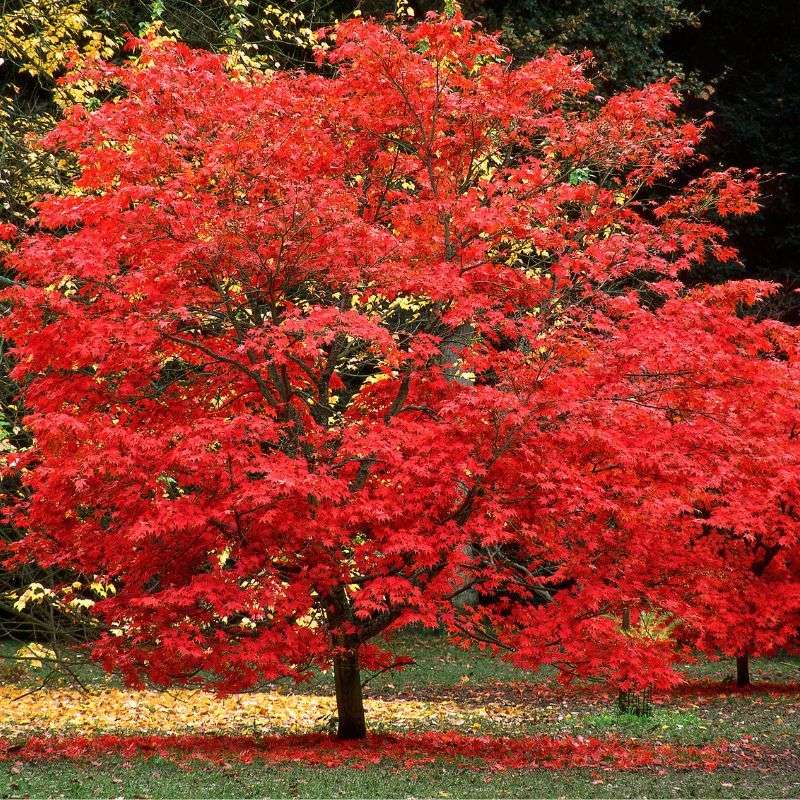
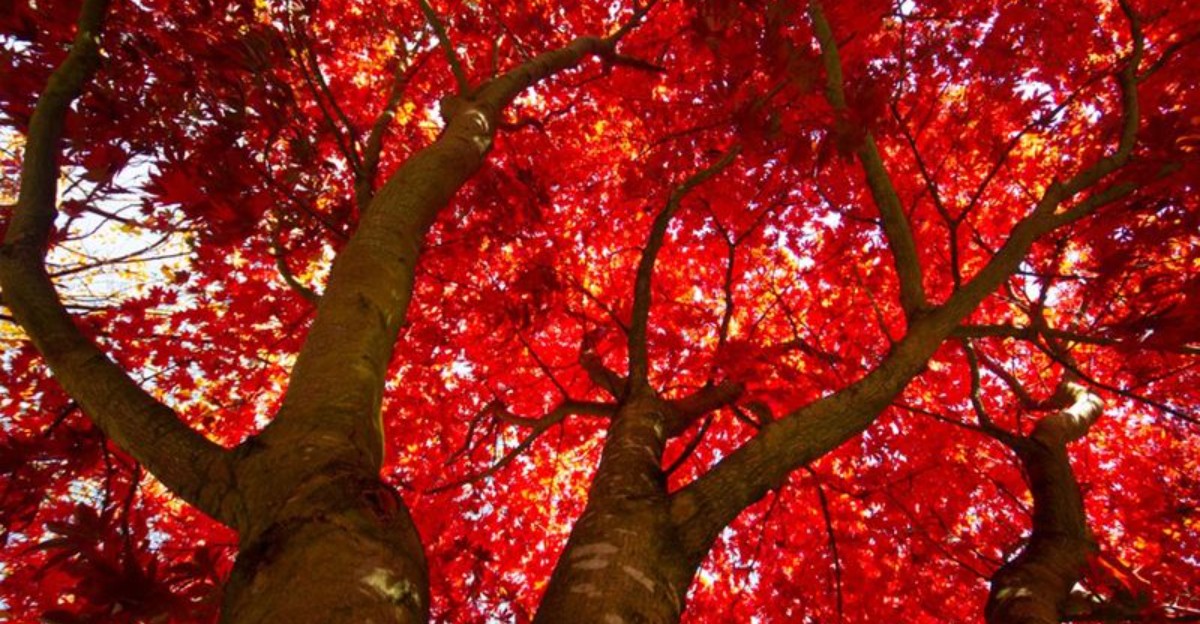
Everybody wants the postcard photo: a blazing red canopy against a blue sky. Sunlight is the price of admission for that show.
Red maples grow acceptably in partial shade, but full sun produces stronger growth and far richer fall color. Tucked behind a two-story house or crowded under live oaks, the leaves tend to fade to a muddy tan instead.
Here is the twist that surprises newcomers. Florida’s color change arrives fashionably late, usually from late January into February, long after northern maples have dropped everything.
Temperature drives the intensity. A winter with a few genuine cold snaps gives you deep scarlet and orange, while a mild, muggy winter may hand you dull yellow and a shrug.
Before planting, watch the site through a whole day. Six or more hours of direct sun is a reasonable target, and more is better.
Your Florida Garden Changes Every Week. Your Plan Should Too.
Gardening in Florida changes quickly throughout the season. Every Friday you’ll receive a simple weekly plan showing exactly what to plant, prune, fertilize, harvest, and protect so you never miss the right timing.
Also think about the future. That skinny sapling will eventually spread thirty feet or wider, so what looks sunny now could be shaded by a neighbor’s growing oak in a decade.
One bonus worth knowing: the tiny red flowers show up in December and January before the leaves, giving the bare branches a reddish haze. Bees notice long before you do.
3. Check Drainage Before Blaming September Rain
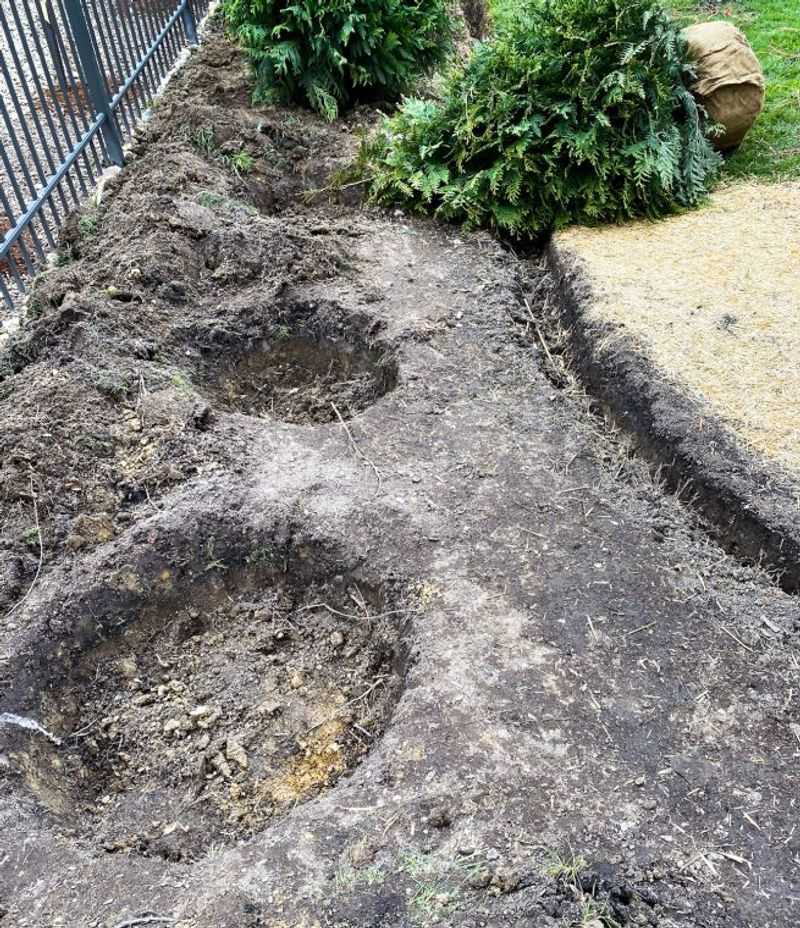
Tolerating moisture and sitting in a bathtub are two different things. Before the first shovel goes in, run a simple drainage test on the spot you picked.
Dig a hole about a foot deep and a foot wide, fill it with water, and let it drain. Fill it again and time how long the second round takes to disappear.
If water is still standing after the test, that suggests drainage may be limited by compacted soil, a hardpan layer, or another site condition.
Odd as it sounds, poor drainage often shows up as symptoms that look like drought. Leaf scorch, those light brown or tan patches between the leaf veins, appears when roots cannot pull up water properly.
So a stressed root system produces thirsty-looking leaves even when the irrigation runs on schedule. Homeowners crank the sprinklers, the roots suffocate further, and the tree slides backward.
Fix the site first. Break through compacted layers, build a gentle mound eight to twelve inches high, or shift the planting hole a few feet uphill.
A morning of testing saves years of guessing. September storms get blamed for plenty of things that were really decided on planting day.
4. Keep Alkaline Soil Away From Your Maple
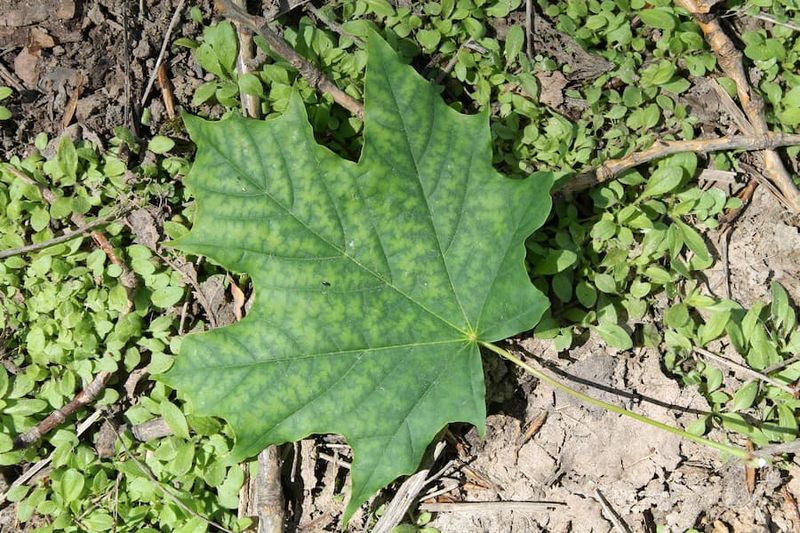
Soil chemistry rarely makes anyone’s exciting list, yet it decides whether this tree looks healthy or sickly. Red maple wants acidic ground, and Florida serves up plenty of the opposite.
Where limestone sits near the surface, or where old construction debris and stucco washings raised the pH, readings climb above 7.0. Push past roughly 7.2 and chlorosis usually follows.
The look is unmistakable. Leaves turn pale yellow while the veins stay green, a sign that the roots cannot grab nutrients such as manganese and iron even though those nutrients sit right there in the soil.
Coastal yards, lots near crushed shell driveways, and spots beside concrete slabs are the usual trouble zones. Water from a limestone well can nudge pH upward year after year too.
Grab an inexpensive pH test or send a sample to your county Extension office before planting. Twenty dollars now beats replacing a fifteen-foot tree later.
If numbers come back high, consider another native species rather than fighting chemistry forever. Sulfur amendments and chelated micronutrients help temporarily, but the soil tends to drift back.
Mildly acidic sites, generally pH 5.0 to 6.5, let the tree feed itself. Pine bark mulch and leaf litter help hold that range naturally as the years pass.
5. Watch For Root Problems After Heavy Downpours
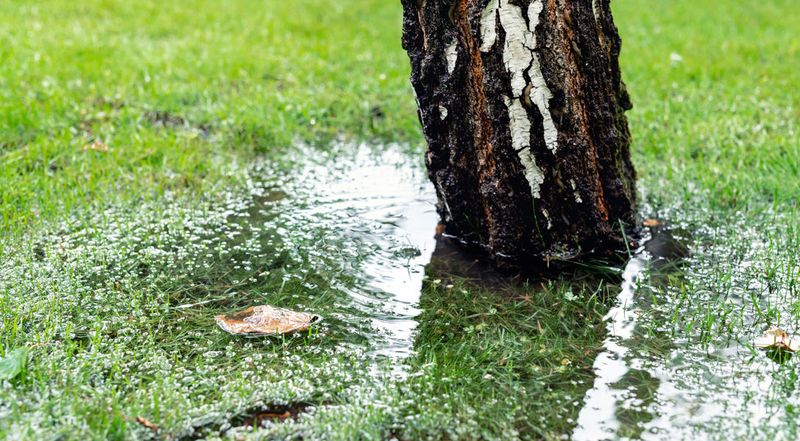
Three days of tropical rain can change what is happening underground faster than anything you see above. Even a moisture-loving species has limits when oxygen disappears from saturated soil.
Root rots become a risk where water sits with nowhere to go, particularly in clay pockets or bowl-shaped yards. The tree may look fine for weeks before symptoms surface.
Pay attention to small clues. Sudden leaf drop out of season, branch tips that thin out, mushrooms sprouting near the trunk base, or new growth that seems weirdly small are all worth a closer look.
A soft, dark spot on the lower trunk or roots that feel mushy instead of firm tells a clearer story. Healthy roots snap cleanly and show pale tissue inside.
Prevention beats treatment here. Keep mulch two to three inches deep but pulled back several inches from the trunk so bark stays dry and can breathe.
Resist the urge to fertilize a struggling tree right after a flood. Stressed roots cannot use the nutrients, and salts may add insult to injury.
Most red maples bounce back once the ground drains. If standing water lingers past forty-eight hours regularly, though, regrading or adding a shallow swale gives those roots the breathing room they want.
6. Leave Room For Those Surface Roots
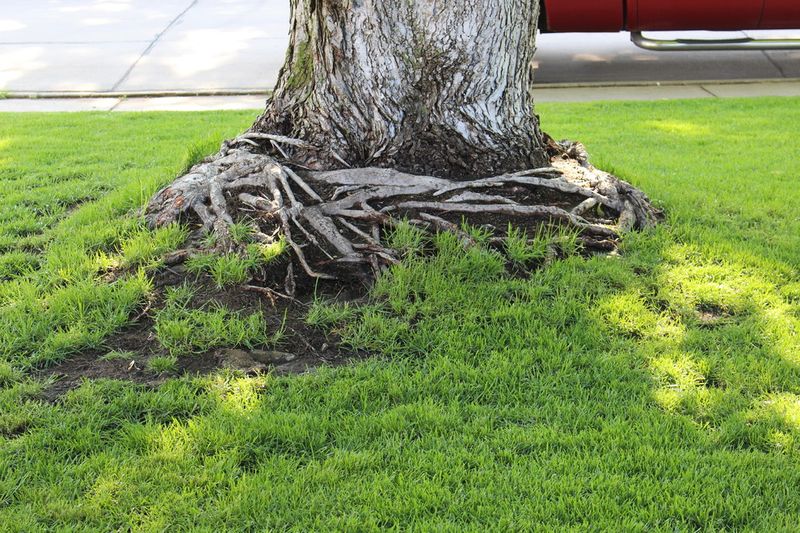
Ask anyone who planted a maple ten feet from their driveway how that worked out. The answer usually involves cracked concrete and a contractor estimate.
Red maples build a shallow, wide-spreading root system rather than a deep taproot. Those roots surface over time, snaking across lawns like thick ropes.
Sidewalks lift, driveway slabs tilt, and mowing under the canopy turns into an obstacle course. Roots nicked by mower blades open the door to decay, so the damage runs both directions.
Plenty of space solves most of it. Give the tree generous room from paved surfaces, foundations, and septic systems, with the final spacing based on the mature tree and the site.
Also look up while you are at it. Power lines overhead mean utility crews will eventually top the canopy, which ruins the shape you waited years to enjoy.
A smart move is skipping turf under the canopy entirely. Ring the base with a wide mulched bed, three feet out at first and expanding as the tree grows, and the root conflict mostly disappears.
Shade-tolerant groundcovers like ferns finish the look. You get a tidy bed, the roots get undisturbed soil, and nobody has to steer a mower around woody speed bumps every Saturday morning.
7. Protect The Trunk From Mowers And Trimmers
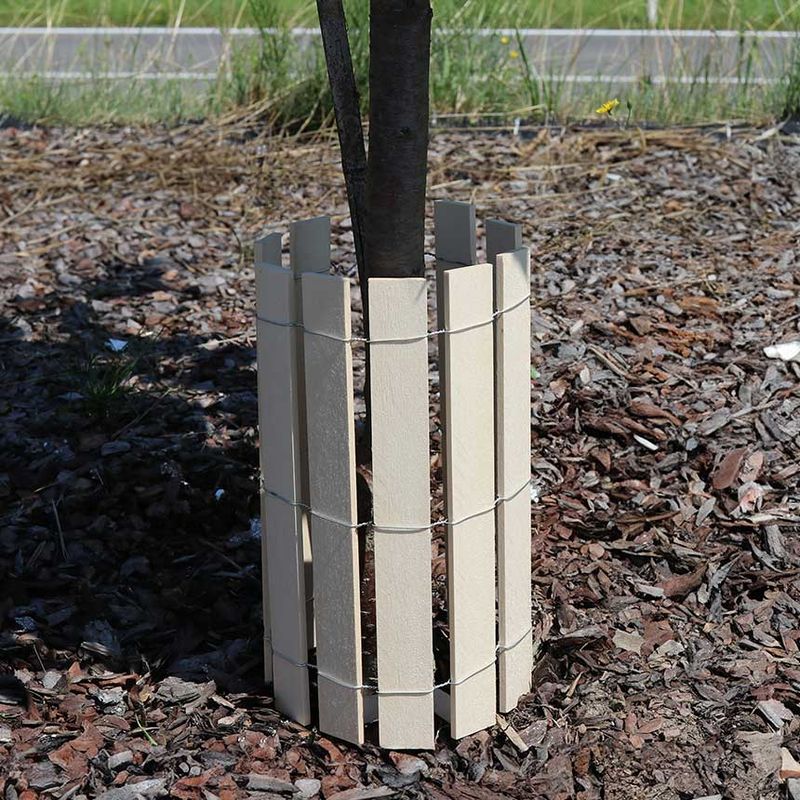
String trimmers have ended more young trees than any storm. The bark on a juvenile red maple is thin, smooth, and remarkably easy to scrape.
Each nick from a mower deck or spinning trimmer line removes a strip of the layer that moves food up and down the trunk. Repeat that a few times around the base and the tree quietly declines.
Wounds also invite decay fungi and boring insects. Years later, arborists trace many structural defects in mature maples back to careless mowing during the first few seasons.
The simplest defense costs almost nothing. Maintain a mulch ring two to three feet wide around the trunk so no blade or line ever needs to come close.
For extra insurance, wrap young trunks with light-colored tree wrap, which guards against equipment scrapes and reflects harsh afternoon sun that can cause sunscald. Check the wrap twice a year and loosen it as the trunk thickens.
Plastic trunk guards work too, as long as they are not left on so long that they trap moisture against the bark.
Tell whoever cuts your grass about the rule. A five-second conversation with a lawn crew protects a tree you plan to sit under for the next thirty summers.
8. Build A Strong Structure Before Storm Season
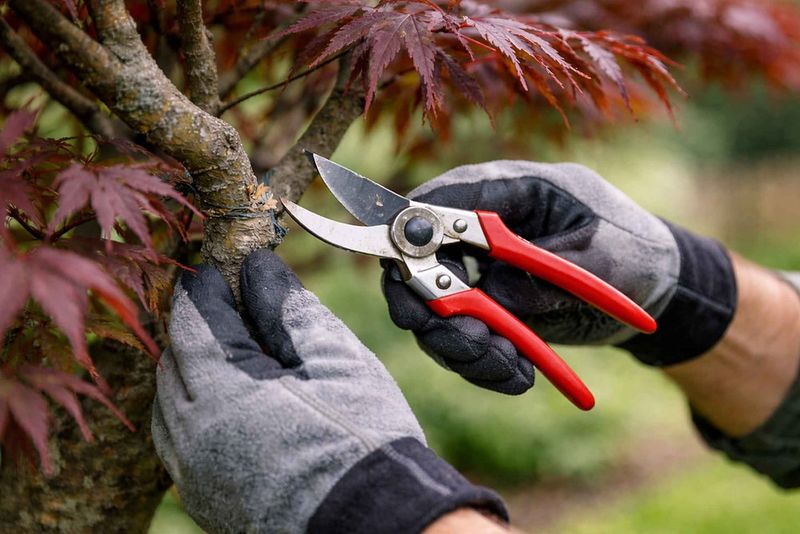
Hurricane season has a way of auditing your pruning choices. Red maple can be vulnerable to wind and storm breakage, which makes early structural training worthwhile.
The goal is one dominant central trunk, called a leader, with branches spaced along it rather than several stems all racing skyward together. Codominant stems that fork into a tight V are the weak points that split.
Look at branch angles closely. Limbs that leave the trunk at a wide angle, closer to horizontal, hold much better than those squeezed in at a narrow angle with bark pinched between them.
Start shaping in the first two or three years while cuts are small and heal fast. Remove or shorten competing leaders, thin crowded branches, and keep temporary lower limbs to help the trunk thicken.
Winter, after the leaves drop and before spring growth, is the easiest time to see the framework. Avoid heavy pruning right before a named storm arrives, since fresh wounds and reduced canopy do not help.
Skip topping altogether. Chopping the crown produces weak sprouts that break more readily than the branches removed.
Steady, light pruning over several seasons costs less than one emergency crane call. A well-built tree simply bends and keeps going.
9. Plant It Where Florida’s Rain Works In Your Favor
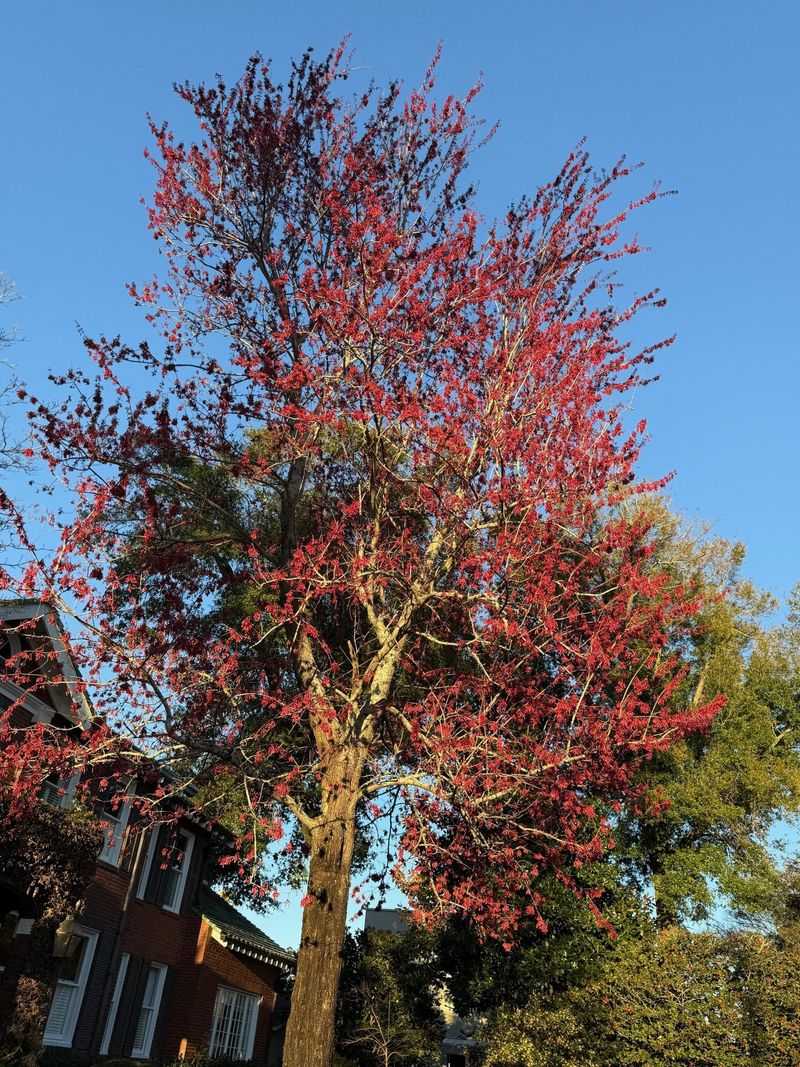
Picture the water on your property during a downpour. It runs off the roof, sheets across the driveway, and pools somewhere before soaking in.
That pooling area is often the best home for a red maple. The species shines in rain gardens and bioswales, handling both the soggy weeks and the dry stretches between fronts.
Aim for full sun to partial shade, acidic soil, and ground that stays naturally moist. Low spots near a downspout outfall, pond edges, and swale bottoms all qualify.
Measure before you dig. Mature height often runs forty to sixty feet with a canopy spreading twenty-five to forty feet, so keep the trunk well clear of the house, driveway, septic system, and overhead utility lines.
Plant so the root flare sits slightly above the surrounding grade, especially in damp ground. Burying the flare is one of the most common planting errors and it works against everything you are trying to achieve.
Water regularly for the first few months, then let the rainy season take over.
Do that and you get a fast-growing native shade tree, late-winter color, early nectar for bees, and one less soggy patch of lawn to complain about every August.